
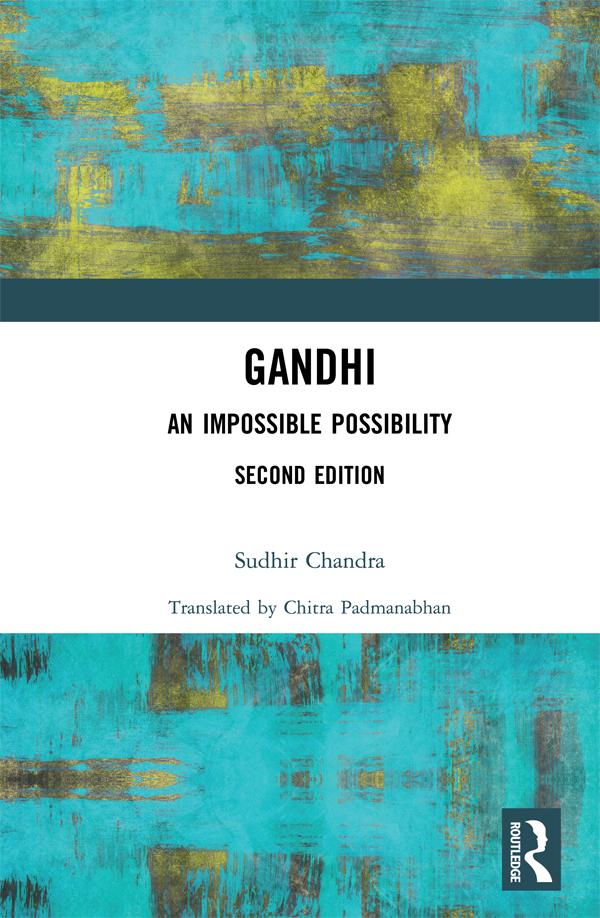
Gandhi was perhaps the most influential yet misunderstood figure of the twentieth century. Drawing close attention to his last years, this book explores the marked change in his understanding of the acceptance of non-violence by Indians. It points to a startling discovery Gandhi made in the years preceding India’s Independence and Partition: the struggle for freedom which he had all along believed to be non-violent was in fact not so. He realised that there was a causal relationship between the path of illusory ahimsa, which had held sway during the freedom struggle, and the violence that erupted thereafter during Partition.
In the second edition of this much-acclaimed volume, Chandra revisits Gandhi’s philosophy to explain how and why the phenomenon of the Mahatma has been understood and misunderstood through the years. Calling for a rethink of the very nature and foundation of modern India, this book throws new light on Gandhian philosophy and its far-reaching implications for the world today. It will interest not only scholars and researchers of modern Indian history, politics and philosophy, but also lay readers.
Pay easily by card, Klarna, Apple Pay or Google Pay. Not happy? You always have a 14-day money-back guarantee. Read more in our terms. If you have any questions, email us at hello@memmo.org.
Memmo makes studying easier – wherever you are in the world. We bring your course books and smart study tools together in one place: summaries, quizzes, podcasts and flashcards. Plus Ted, your study buddy who answers anything you wonder. Over 50,000 students already study here – built to help you learn faster and stress less.