
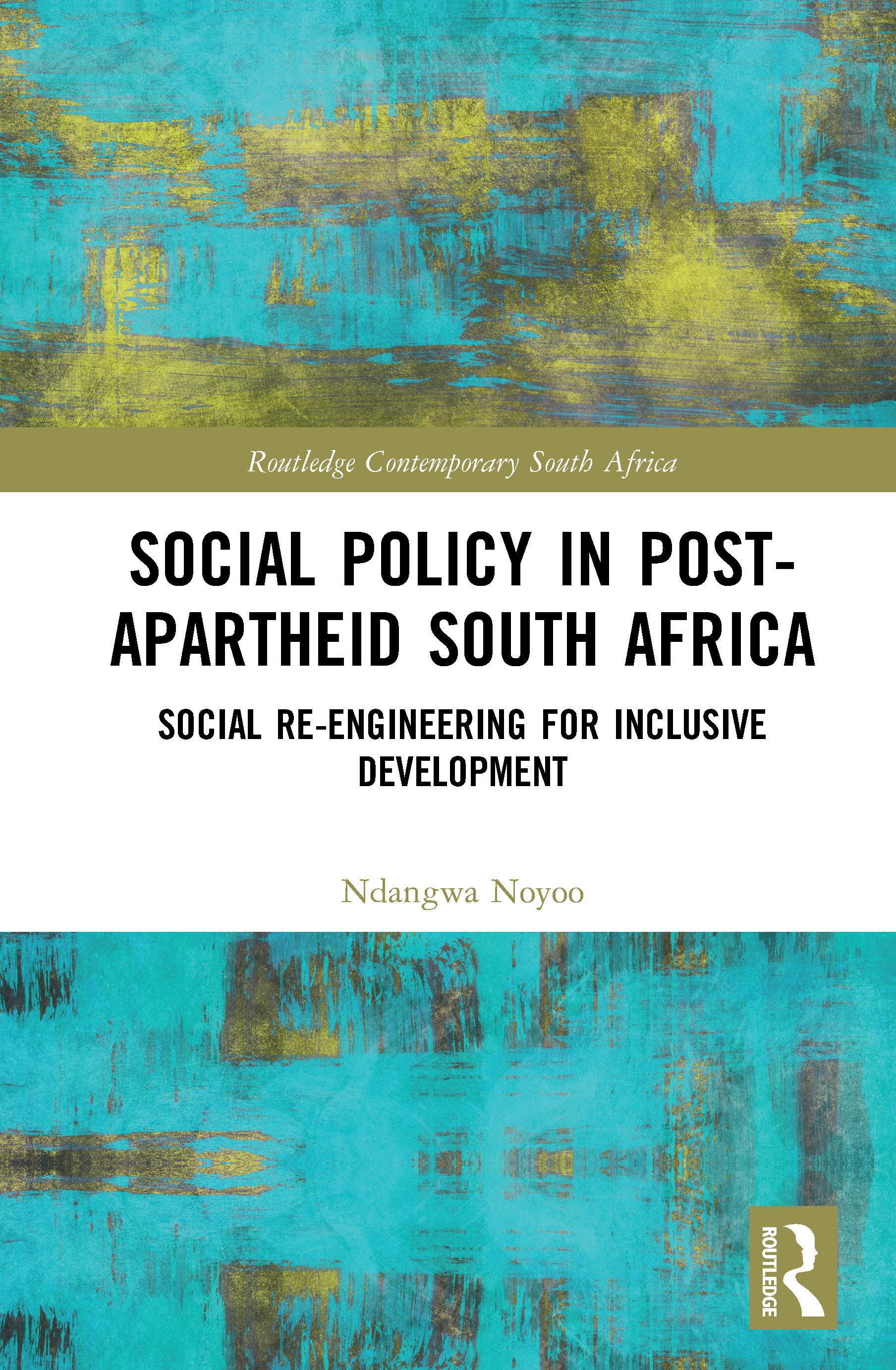
This book critically examines the current social policy in post-apartheid South Africa and proposes an alternative social policy agenda to create a new development pathway for the country.
Taking social policy as a vehicle that will facilitate the creation of a new society altogether, namely the "Good Society," the author argues for the adoption of policy that will socially re-engineer South Africa. The author shows how the policy tools and development interventions which were undertaken by the post-apartheid state in driving South Africa’s transformation agenda failed to emancipate many individuals, families, and communities from the cycle of intergenerational poverty and underdevelopment. He contends that social policy interventions that foster the social re-engineering of South African society must take place to untangle the inherited colonial-apartheid social order. This book includes comparative analyses on the Global South and Global North to present the ways in which countries such as post-Second World War Great Britain and Sweden, and post-independence Zambia of the 1960s and 1970s, were able to use social policy to create new societies altogether or places similar to the "Good Society."
The conceptual and methodological issues that form the basis for this book reside in public policy-making and the public good and will be of interest to scholars of social policy, social development, and South African society.
Pay easily by card, Klarna, Apple Pay or Google Pay. Not happy? You always have a 14-day money-back guarantee. Read more in our terms. If you have any questions, email us at hello@memmo.org.
Memmo makes studying easier – wherever you are in the world. We bring your course books and smart study tools together in one place: summaries, quizzes, podcasts and flashcards. Plus Ted, your study buddy who answers anything you wonder. Over 50,000 students already study here – built to help you learn faster and stress less.