
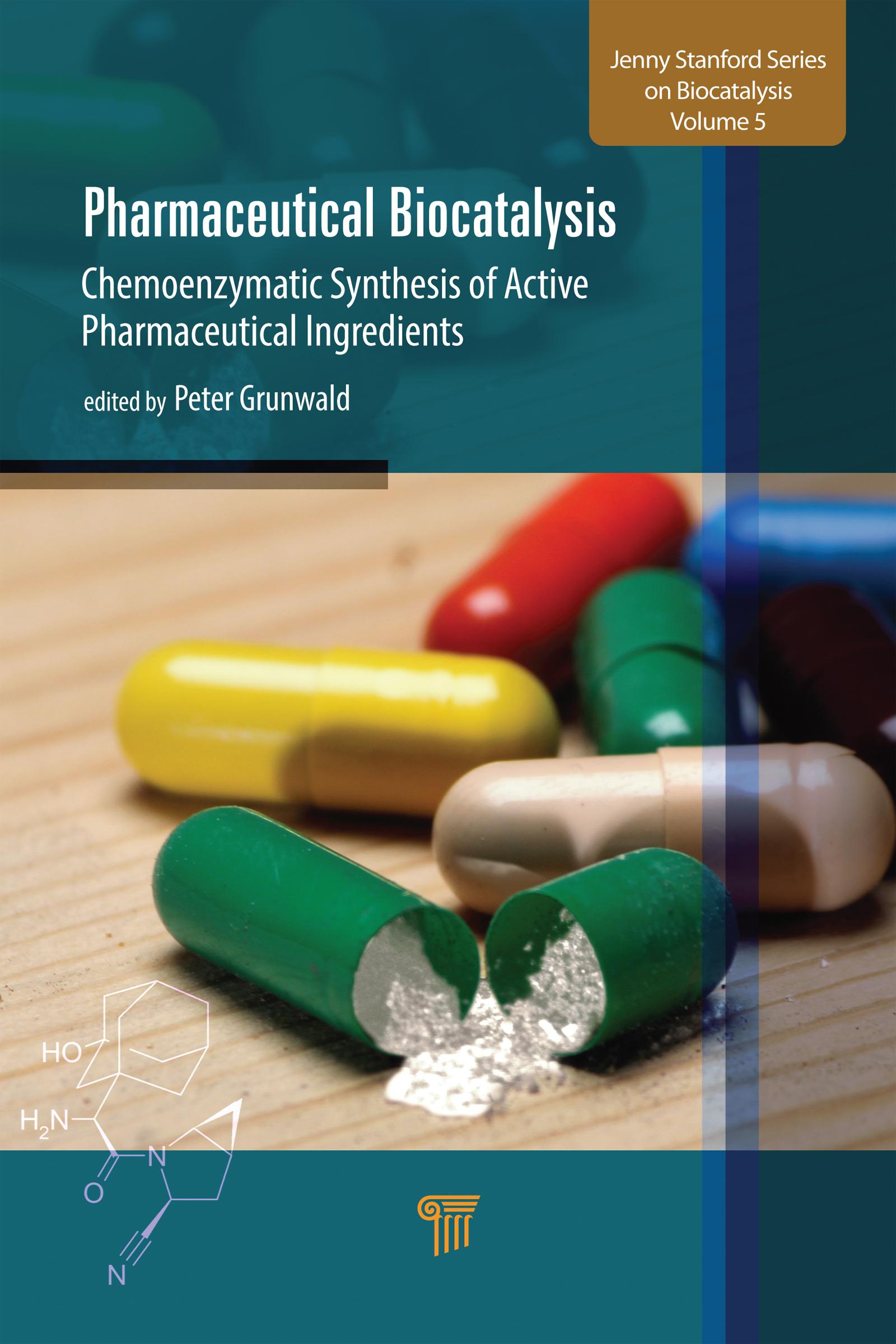
This volume provides an insight into the future strategies for commercial biocatalysis with a focus on sustainable technologies, together with chemoenzymatic and biotechnological approaches to synthesize various types of approved and new active pharmaceutical ingredients (APIs) via proven and latest synthetic routes using single-step biocatalytic or enzyme cascade reactions. Many of these drugs act as enzyme inhibitors, as discussed in a chapter with a variety of examples. The targeted enzymes are involved in diseases such as different cancers, metastatic and infectious diseases, osteoporosis, and cardiovascular disorders. The biocatalysts employed for API synthesis include hydrolytic enzymes, alcohol dehydrogenases, laccases, imine reductases, reductive aminases, peroxygenases, cytochrome P450 enzymes, polyketide synthases, transaminases, and halogenases. Many of them have been improved with respect to their properties by engineering methods. The book discusses the syntheses of drugs, including alkaloids and antibiotics, non-ribosomal peptides, antimalarial and antidiabetic drugs, prenylated xanthones, antioxidants, and many important (chiral) intermediates required for the synthesis of pharmaceuticals.
Pay easily by card, Klarna, Apple Pay or Google Pay. Not happy? You always have a 14-day money-back guarantee. Read more in our terms. If you have any questions, email us at hello@memmo.org.
Memmo makes studying easier – wherever you are in the world. We bring your course books and smart study tools together in one place: summaries, quizzes, podcasts and flashcards. Plus Ted, your study buddy who answers anything you wonder. Over 75,000 students already study here – built to help you learn faster and stress less.