
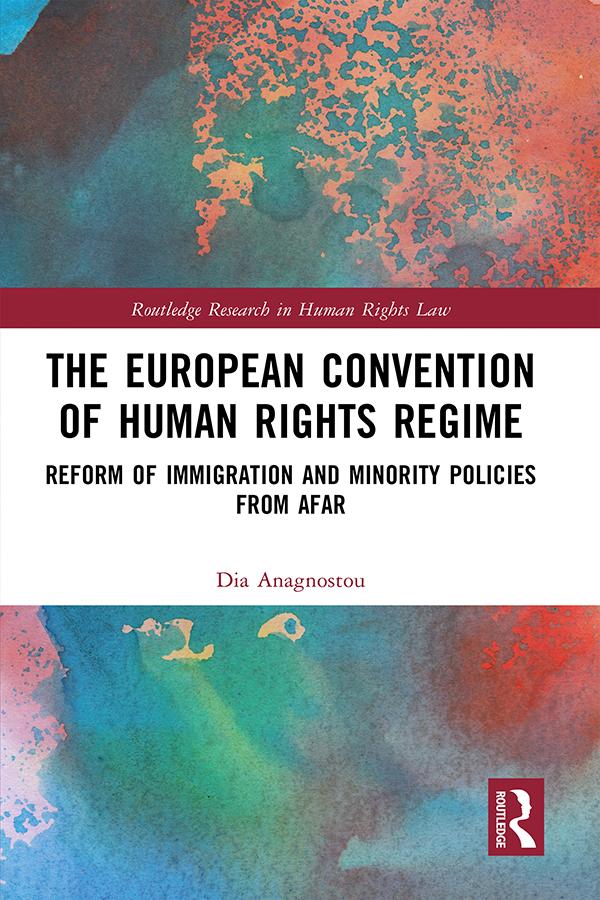
Prompted by an unprecedented rise of litigation since the 1990s, this book examines how the European Convention of Human Rights (ECHR) system and the Strasbourg Court interact with states and non-governmental actors to influence domestic change. Focusing on European Court of Human Rights litigation and state implementation of judgments related to minority discrimination and asylum/migration, it argues that a fundamental transformation of the Convention system has been under way. Repeat and strategic litigation, shifting methods of supervision and state implementation to remedy systemic violations, and above all the growing engagement of civil society and non-governmental actors, have prompted a distinctive trend of human rights experimentalism. The emergence of experimentalism has profound implications for the legitimacy, effectiveness and further reform of the ECHR system. This study provides an original constitutive account of regional human rights regimes and how they are activated by societal actors to claim rights, advance case law, and pressure for domestic legal and policy change. It will be of interest to international law and international relations scholars, political scientists, specialists on the ECHR, the Strasbourg Court, as well as to scholars interested in the human rights of immigrants and minorities.
Pay easily by card, Klarna, Apple Pay or Google Pay. Not happy? You always have a 14-day money-back guarantee. Read more in our terms. If you have any questions, email us at hello@memmo.org.
Memmo makes studying easier – wherever you are in the world. We bring your course books and smart study tools together in one place: summaries, quizzes, podcasts and flashcards. Plus Ted, your study buddy who answers anything you wonder. Over 50,000 students already study here – built to help you learn faster and stress less.