
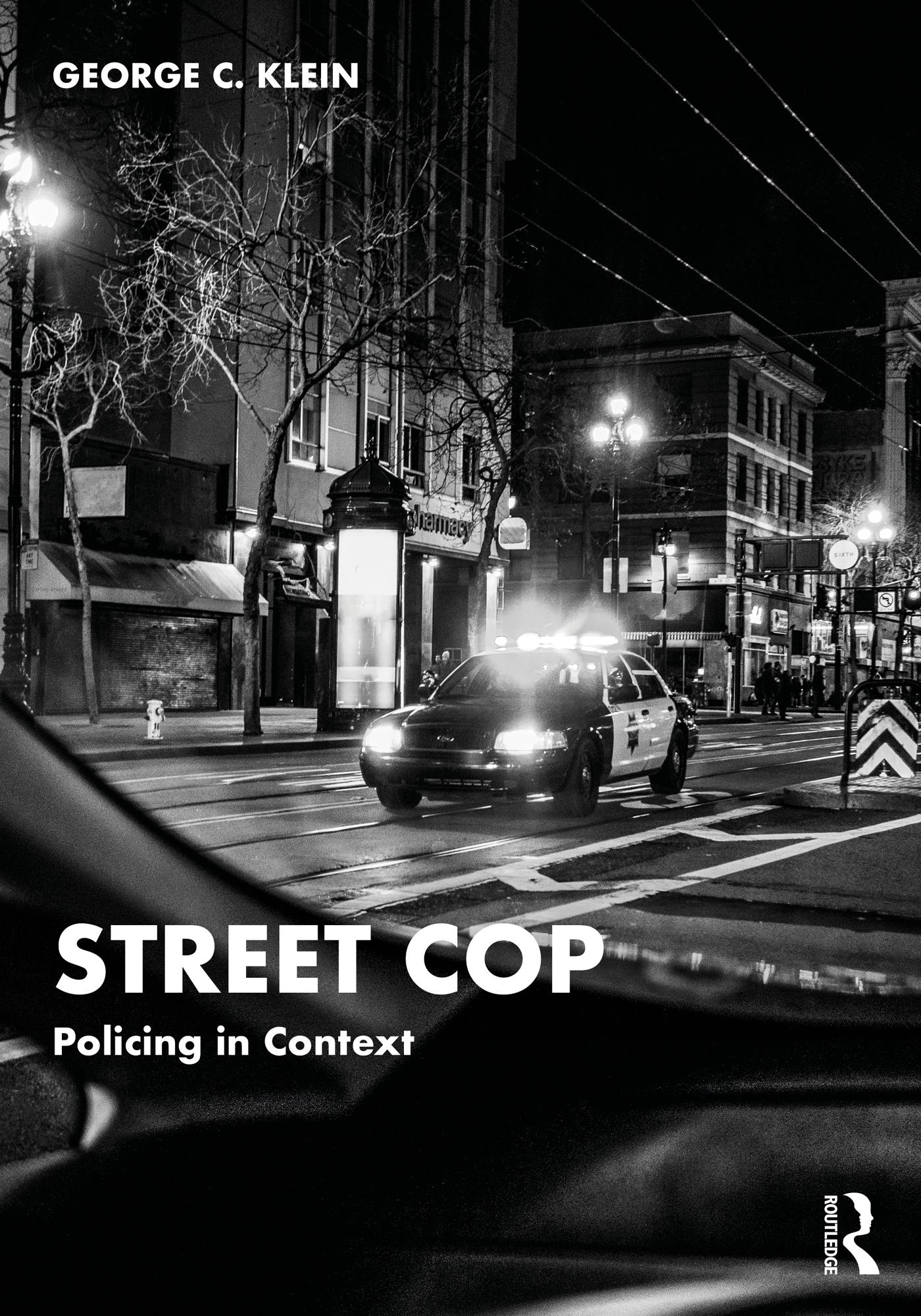
This book provides an ethnography of street-level policing in the United States and offers an analysis with valuable lessons for today’s law enforcement officers. Author George C. Klein, sociologist and former police officer, explores the characteristics of policing in a suburb outside of large Midwestern city in the United States. As a participant-observation fieldworker, he functioned as an ethnographic researcher, recording with a sociological eye the "real world" tasks of policing, including the ordinary as well as the more remarkable aspects of day-to-day law enforcement. He approaches the data with three levels of analysis, looking at embedded issues in policing, such as discretion, danger, corruption, cynicism, race, and class; a mid-range analysis that examines police work as an example of street-level bureaucracy; and a global analysis assessing the entrenched roles of race, class, and demography in police work, as well as, society, in the U.S.
This book focuses on the need for police officers to solve social problems that other institutions in society are unwilling, or unable, to solve. It examines a myriad of issues, such as police socialization, the use of force by police officers, stress levels and suicide risk factors, disparate styles of policing, police militarization, de-escalation, and more. With compelling detail, the author helps the reader understand the turmoil regarding policing in the United States today. It is ideal for police professionals as well as students and scholars of criminal justice, criminology, sociology, psychology, history, political science and journalism.
Pay easily by card, Klarna, Apple Pay or Google Pay. Not happy? You always have a 14-day money-back guarantee. Read more in our terms. If you have any questions, email us at hello@memmo.org.
Memmo makes studying easier – wherever you are in the world. We bring your course books and smart study tools together in one place: summaries, quizzes, podcasts and flashcards. Plus Ted, your study buddy who answers anything you wonder. Over 50,000 students already study here – built to help you learn faster and stress less.