
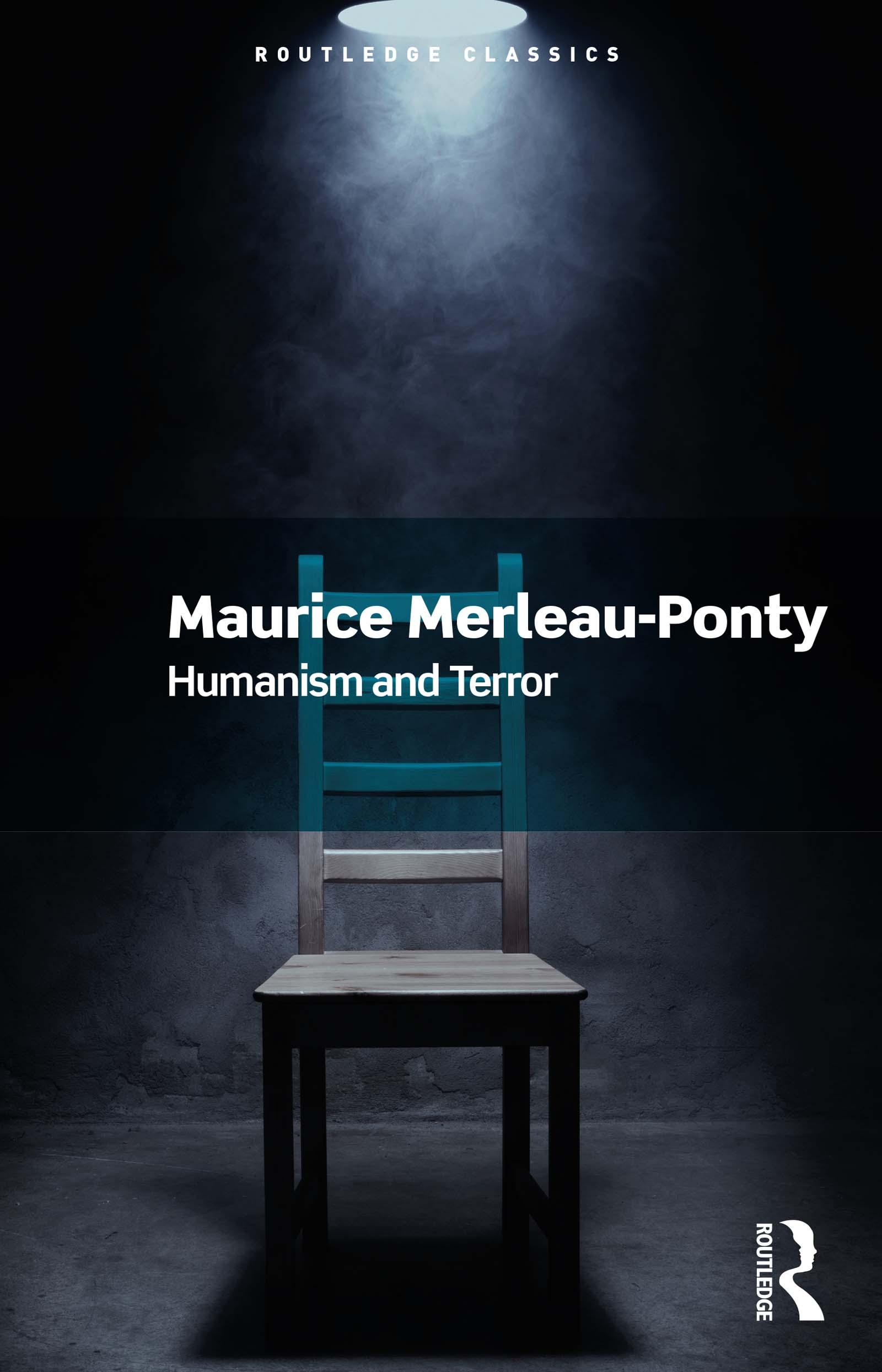
First published in France in 1947, Humanism and Terror is a vital work of political philosophy by one of the leading French philosophers of the twentieth century. Attempting to understand what he called the "dislocated world" that followed immediately after the Second World War—including his own, divided France—Merleau-Ponty asks a fundamental question: how did Marxism and humanism come apart?
Through a fascinating reading of Arthur Koestler's famous novel, Darkness at Noon, an allegory of the Stalinist show trials and purges of the 1930s, Merleau-Ponty weighs up the costs of a regime of permanent revolution and false confessions. His profound and controversial point, however, is that the purges were the inevitable outcome of abandoning crucial subjective elements of Marx’s theory of history, with the result that "humanism is suspended and government is terror."
As we again confront the reality of authoritarianism, political polarisation and curtailing of human freedom, the dislocated world brilliantly depicted by Merleau-Ponty in Humanism and Terror sends a powerful and articulate message that continues to resonate today.
This Routledge Classics edition includes a new Foreword by William McBride.
Pay easily by card, Klarna, Apple Pay or Google Pay. Not happy? You always have a 14-day money-back guarantee. Read more in our terms. If you have any questions, email us at hello@memmo.org.
Memmo makes studying easier – wherever you are in the world. We bring your course books and smart study tools together in one place: summaries, quizzes, podcasts and flashcards. Plus Ted, your study buddy who answers anything you wonder. Over 50,000 students already study here – built to help you learn faster and stress less.