
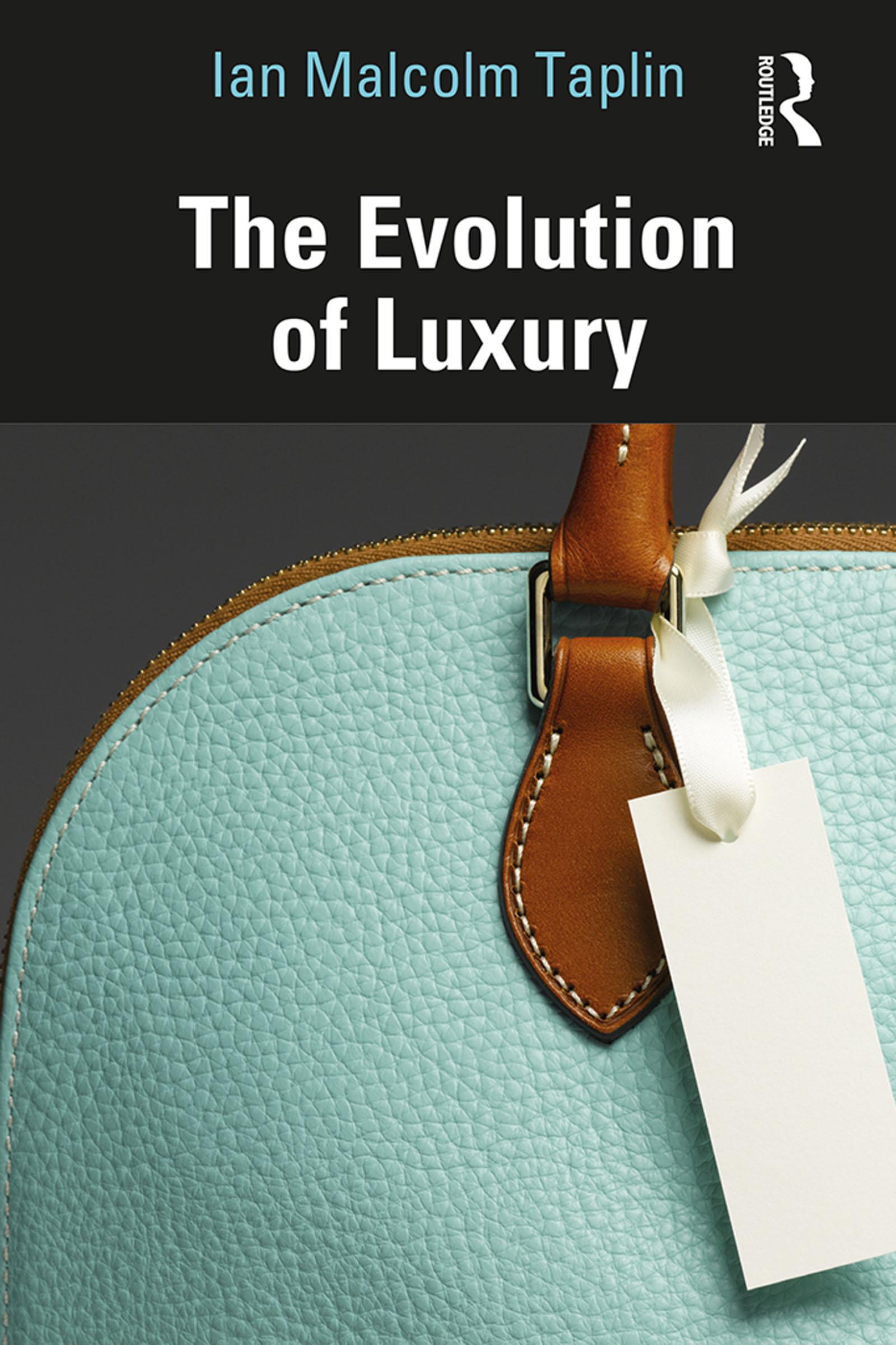
This book offers a unique analysis of how our definitions of luxury have changed over the ages, and with that the role and actions of both suppliers and buyers of luxury products. It traces the way luxury was seen as avarice and emblematic of morally corrosive behavior in past societies, to being viewed in more virtuous terms as the inevitable outcome of structural changes that legitimize the acquisition and display of wealth. It examines the origins of the shift from criticism to acceptance, and traces these changes to fundamentally different notions of what constitutes the basis for social order.
Whereas pre-industrial hierarchies cloaked inequality in various secular and sacred guises to mitigate its presence, capitalism justified and reified inequality as a measure of individual success and initiative through interdependent market behavior. The result of this transformation is that status markers have become aspirational tools as hierarchies became porous and self-identity less ascriptive.
Correspondingly, as demand for luxury became legitimized, the supply side underwent dramatic changes. Such changes are explored fully in the sectors of fashion, art and wine. As demand for high priced and scarce goods in each of these sectors has increased, in each case key actors have manipulated markets to purposefully either consolidate their pre-eminence or manufacture the requisite scarcity that affords them canonical status.
The demand for and supply of luxury goods is now global; consumers seeking validation and affirmation of their status whilst producers engineer scarcity. Luxury is seen not only as good; it is virtuous, its demand possibly insatiable and extremely profitable.
Pay easily by card, Klarna, Apple Pay or Google Pay. Not happy? You always have a 14-day money-back guarantee. Read more in our terms. If you have any questions, email us at hello@memmo.org.
Memmo makes studying easier – wherever you are in the world. We bring your course books and smart study tools together in one place: summaries, quizzes, podcasts and flashcards. Plus Ted, your study buddy who answers anything you wonder. Over 50,000 students already study here – built to help you learn faster and stress less.