
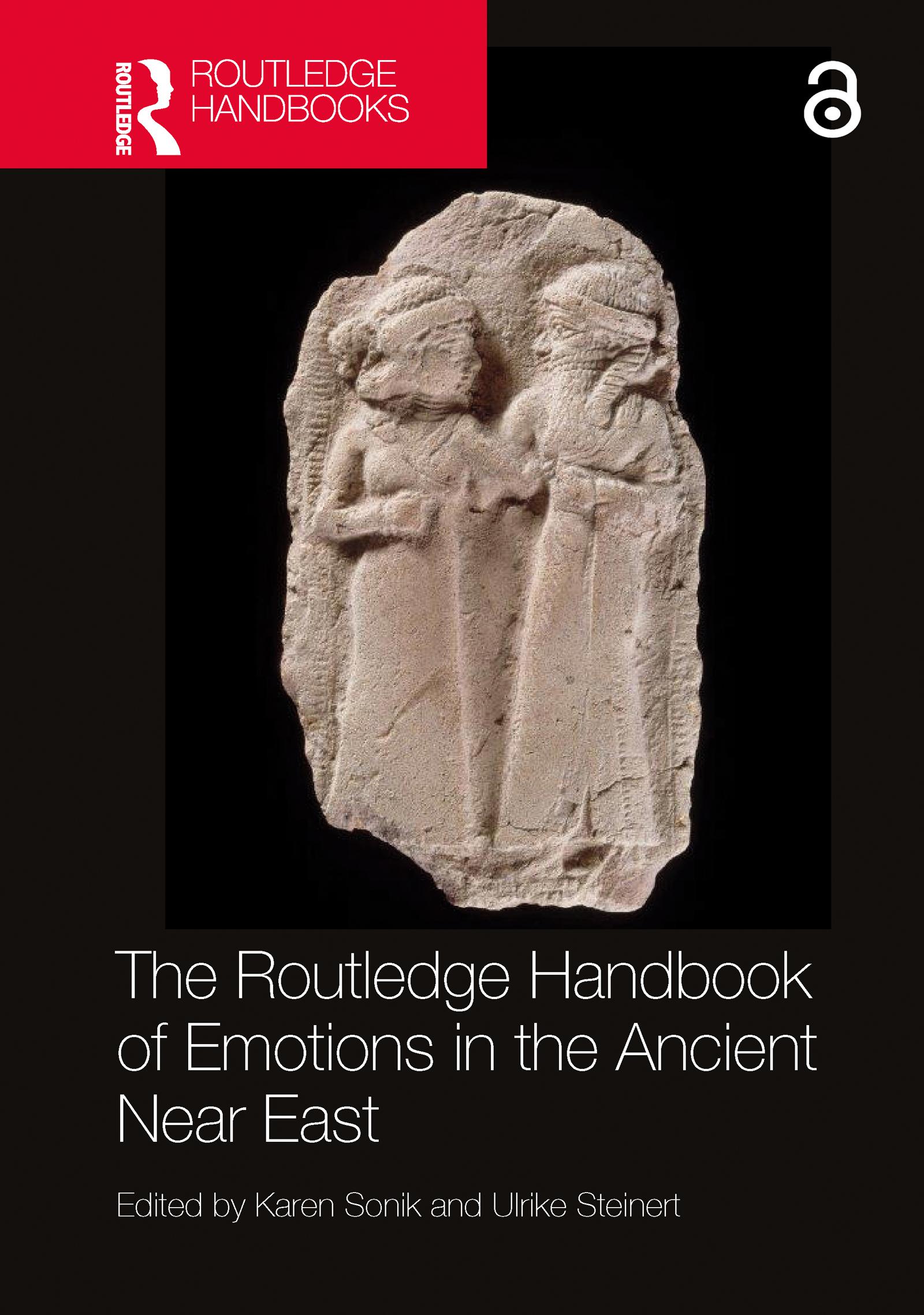
This in-depth exploration of emotions in the ancient Near East illuminates the rich and complex worlds of feelings encompassed within the literary and material remains of this remarkable region, home to many of the world’s earliest cities and empires, and lays critical foundations for future study.
Thirty-four chapters by leading international scholars, including philologists, art historians, and archaeologists, examine the ways in which emotions were conceived, experienced, and expressed by the peoples of the ancient Near East, with particular attention to Mesopotamia, Anatolia, and the kingdom of Ugarit, from the Late Uruk through to the Neo-Babylonian Period (ca. 3300–539 BCE). The volume is divided into two parts: the first addressing theoretical and methodological issues through thematic analyses and the second encompassing corpus-based approaches to specific emotions. Part I addresses emotions and history, defining the terms, materialization and material remains, kings and the state, and engaging the gods. Part II explores happiness and joy; fear, terror, and awe; sadness, grief, and depression; contempt, disgust, and shame; anger and hate; envy and jealousy; love, affection, and admiration; and pity, empathy, and compassion. Numerous sub-themes threading through the volume explore such topics as emotional expression and suppression in relation to social status, gender, the body, and particular social and spatial conditions or material contexts.
The Routledge Handbook of Emotions in the Ancient Near East is an invaluable and accessible resource for Near Eastern studies and adjacent fields, including Classical, Biblical, and medieval studies, and a must-read for scholars, students, and others interested in the history and cross-cultural study of emotions.
Pay easily by card, Klarna, Apple Pay or Google Pay. Not happy? You always have a 14-day money-back guarantee. Read more in our terms. If you have any questions, email us at hello@memmo.org.
Memmo makes studying easier – wherever you are in the world. We bring your course books and smart study tools together in one place: summaries, quizzes, podcasts and flashcards. Plus Ted, your study buddy who answers anything you wonder. Over 75,000 students already study here – built to help you learn faster and stress less.