
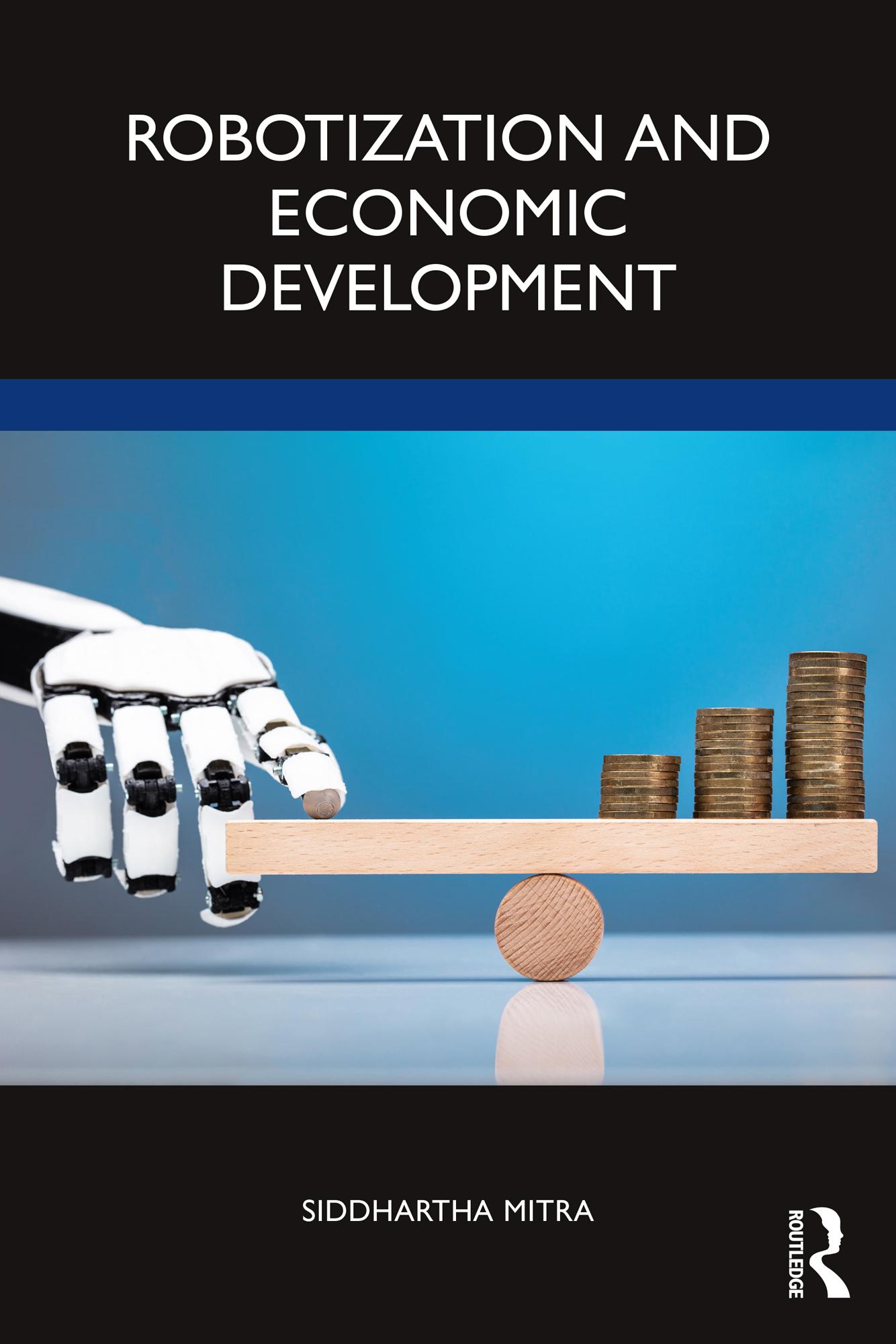
This book critically examines the sweeping impacts of robotization and the use of artificial intelligence on employment, per capita income, quality of life, poverty, and inequality in developing and developed economies.
It analyzes the direct and indirect effects they have had and are projected to have on the labour markets and production processes in the manufacturing, healthcare and agricultural industries among others. The author explores comparisons of human labour with robotic labour emphasizing the changes that new technologies will bring to traditionally labour-intensive industries. Offering various insights into the effectiveness, benefits and negative implications of robotization on the economy, the book provides a comprehensive picture for policymakers to implement changes that embrace new technologies while meeting employment needs and development goals.
Topical and lucid, this book will be an essential read for scholars and researchers of science and technology studies, digital humanities, economics, labour studies, public policy, development studies, political studies and sociology as well as policymakers and others who are interested in these areas.
Pay easily by card, Klarna, Apple Pay or Google Pay. Not happy? You always have a 14-day money-back guarantee. Read more in our terms. If you have any questions, email us at hello@memmo.org.
Memmo makes studying easier – wherever you are in the world. We bring your course books and smart study tools together in one place: summaries, quizzes, podcasts and flashcards. Plus Ted, your study buddy who answers anything you wonder. Over 50,000 students already study here – built to help you learn faster and stress less.