
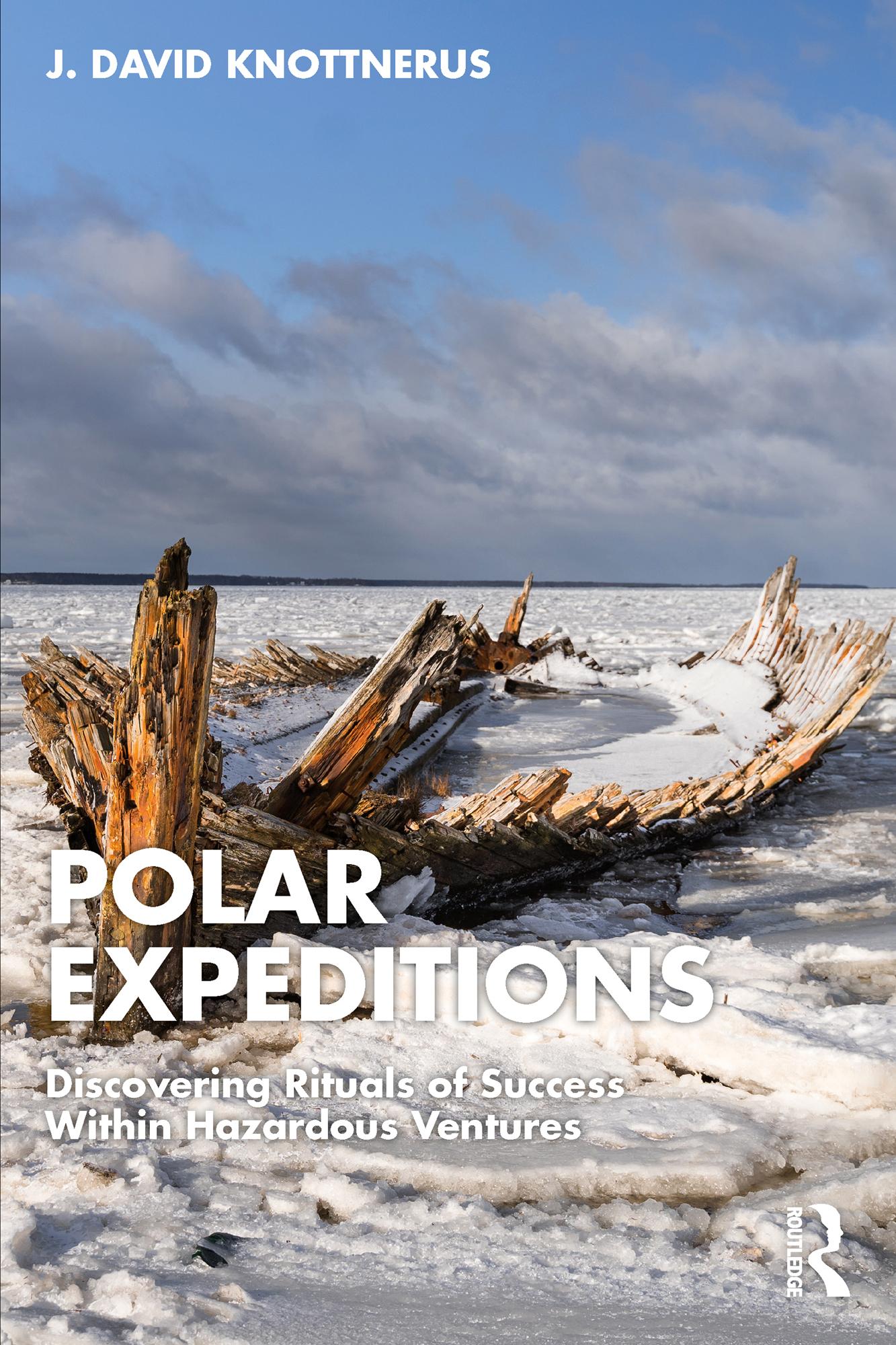
Polar Expeditions employs structural ritualization theory to show how rituals enriched the lives of crewmembers on 19 polar expeditions over a 100-year period. J. David Knottnerus identifies and compares failed, successful, and extremely successful missions in terms of participation in ritual practices and the social psychological health of crews, finding that that social and personal rituals, such as work practices, religious activities, games, birthday parties, special dinners, or taking walks are extremely important in increasing crewmembers' ability to cope with the challenges they face including extreme dangers, isolation, restricted environment, stress, lengthy journeys, and quite importantly the disruption of those practices that define our everyday lives. Besides contributing to our knowledge about polar expeditions, this research yields implications for our understanding of ritual dynamics in other situations such as disasters, refugee camps, nursing homes, traumatic experiences, and a new type of hazardous venture, space exploration.
Pay easily by card, Klarna, Apple Pay or Google Pay. Not happy? You always have a 14-day money-back guarantee. Read more in our terms. If you have any questions, email us at hello@memmo.org.
Memmo makes studying easier – wherever you are in the world. We bring your course books and smart study tools together in one place: summaries, quizzes, podcasts and flashcards. Plus Ted, your study buddy who answers anything you wonder. Over 50,000 students already study here – built to help you learn faster and stress less.