
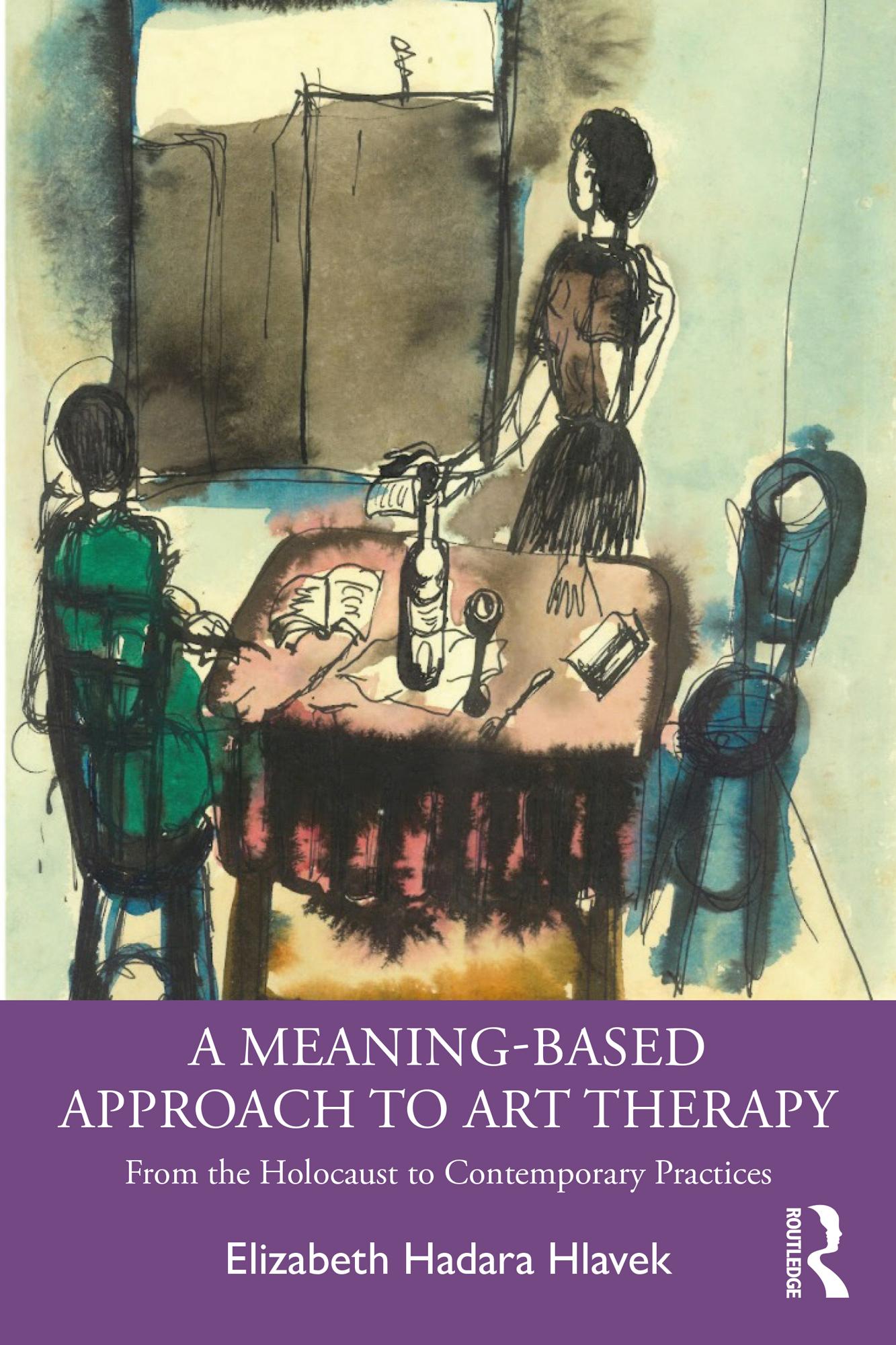
A Meaning-Based Approach to Art Therapy contextualizes the phenomena of Holocaust artwork for the field of art therapy and uses this canon of artwork to support the inclusion of logotherapy into art therapy theory and practice.
The author expounds on a study in which she interviewed surviving Holocaust artists about how they were able to create their artworks while in Nazi captivity. Divided into three parts, the book follows the chronological order of her inquiry. It first presents theory, then research, and ends with implications for the practice of art therapy. The research chapters set out the process and results of the author's phenomenological inquiry. They address how art making during the Holocaust allowed captive artists to bear witness, leave a legacy and retain their humanity. In the final part, the author reveals how art therapists can use concepts from her study to support the progress of their clients. She advocates for the application of logotherapy, an existential philosophy that emphasizes finding meaning to facilitate healing and personal growth.
Practicing art therapists and students of art therapy will find this book to be an excellent resource on logotherapy, an updated perspective on existentialism, and a contemporary examination of phenomenology.
Pay easily by card, Klarna, Apple Pay or Google Pay. Not happy? You always have a 14-day money-back guarantee. Read more in our terms. If you have any questions, email us at hello@memmo.org.
Memmo makes studying easier – wherever you are in the world. We bring your course books and smart study tools together in one place: summaries, quizzes, podcasts and flashcards. Plus Ted, your study buddy who answers anything you wonder. Over 50,000 students already study here – built to help you learn faster and stress less.