
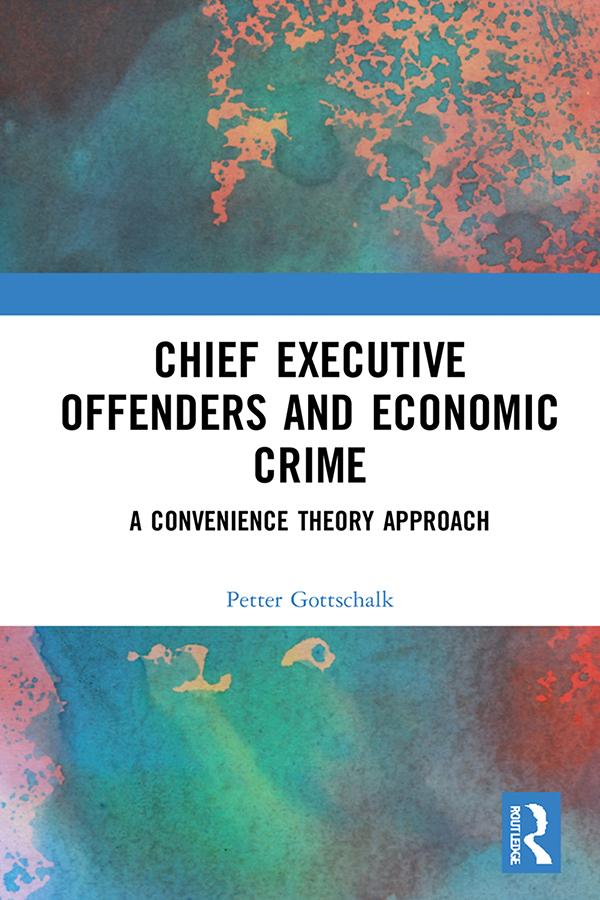
This book examines the role of Chief Executives in white collar crime from a convenience theory perspective. Privileged position status, legitimate resource access, institutional deterioration, lack of control and guardianship, and criminal networks such as cartels are some of the typical factors of opportunity convenience when chief executives commit white-collar crime. By presenting and discussing such factors, this book aims to clarify vulnerabilities in organizational settings when the deviant chief executive takes advantage of their position for criminal means. The book applies convenience theory to explain a variety of cases of corporate crime committed by chief executives. The work will be a valuable resource for academics and researchers in the areas of criminology and criminal justice, law enforcement policy, business management and organizational behavior.
Pay easily by card, Klarna, Apple Pay or Google Pay. Not happy? You always have a 14-day money-back guarantee. Read more in our terms. If you have any questions, email us at hello@memmo.org.
Memmo makes studying easier – wherever you are in the world. We bring your course books and smart study tools together in one place: summaries, quizzes, podcasts and flashcards. Plus Ted, your study buddy who answers anything you wonder. Over 50,000 students already study here – built to help you learn faster and stress less.
You might also like
Buy the book0