
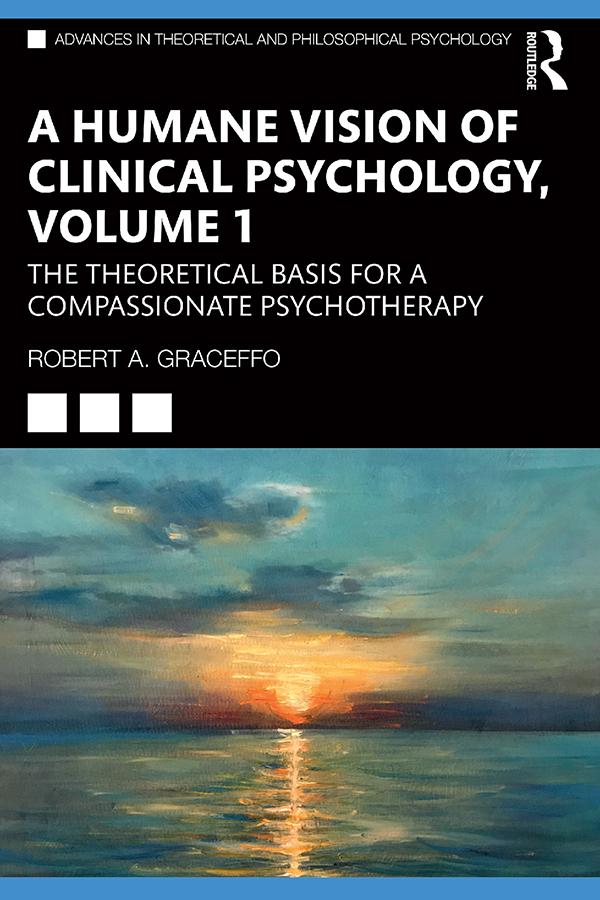
The primary purpose of psychotherapy is to improve a patient’s subjective experience. A Humane Vision of Clinical Psychology, Volume I shows readers what this might really mean, how it can be achieved, and where prevailing views go wrong in achieving it.
It lays out an alternative idea of human suffering and human healing, one that deemphasizes constructs and prioritizes experience itself. Early chapters argue that helping people to "know new things" is the ultimate target of psychotherapeutic change, but that our field has not sufficiently reflected on the complications of this task. A theory is then offered, which suggests that the unthinkable aspects of human experience are responsible for the very ways in which we human beings think. It invites and outlines a serious reformulation of psychotherapy in which human cognition is not the seat but the beneficiary of human change.
This book will be valuable for therapists, psychologists, psychiatrists, and other practitioners as well as graduate and undergraduate students in the fields of psychiatry, psychology, psychotherapy, mental health, social work, and philosophy. It will be of great interest for clinicians who find themselves disenchanted with the field’s current ethos, which is stilted by scientistic approaches to soothing the suffering of the other.
Pay easily by card, Klarna, Apple Pay or Google Pay. Not happy? You always have a 14-day money-back guarantee. Read more in our terms. If you have any questions, email us at hello@memmo.org.
Memmo makes studying easier – wherever you are in the world. We bring your course books and smart study tools together in one place: summaries, quizzes, podcasts and flashcards. Plus Ted, your study buddy who answers anything you wonder. Over 50,000 students already study here – built to help you learn faster and stress less.