
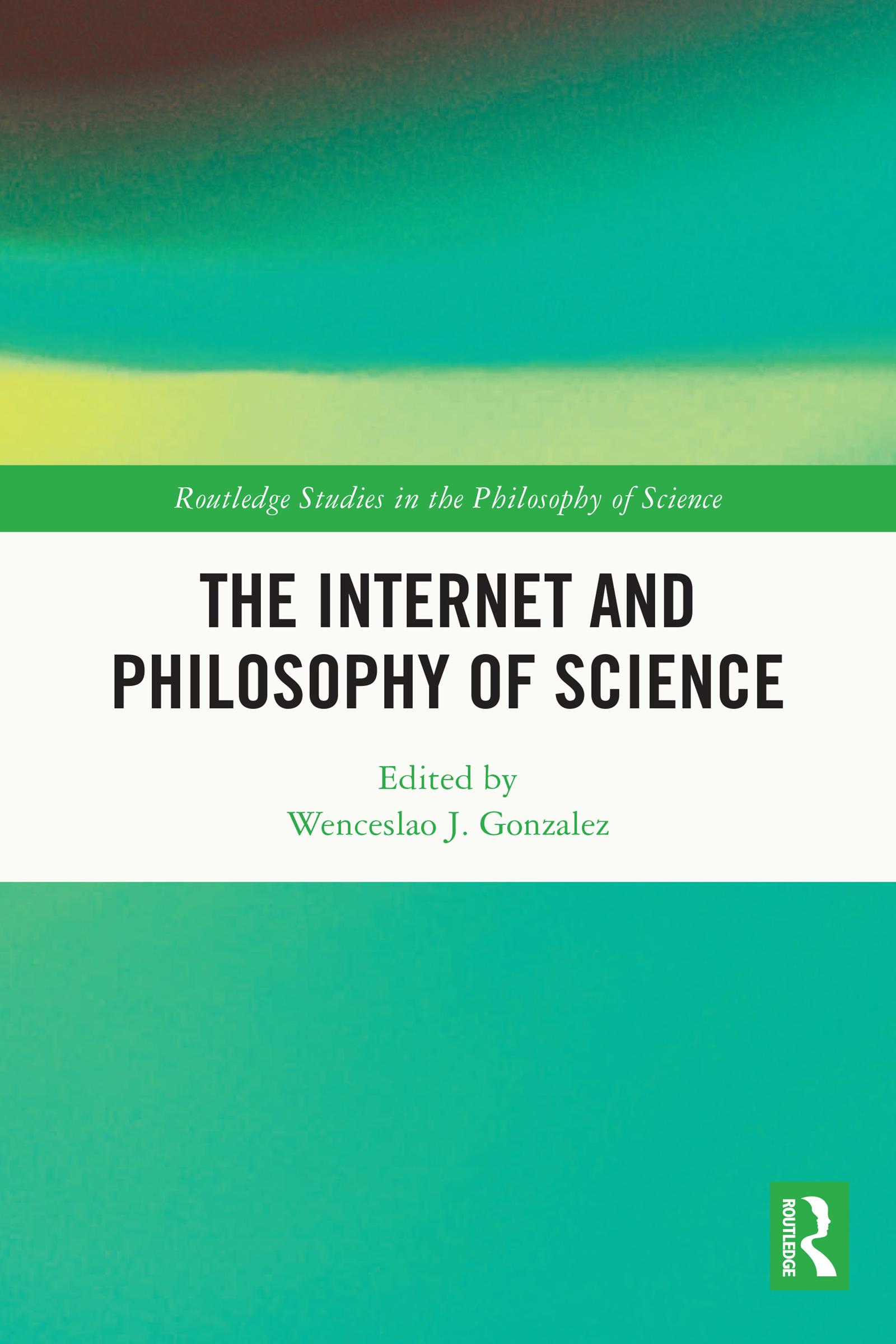
From the perspective of the philosophy of science, this book analyzes the Internet conceived in a broad sense. It includes three layers that require philosophical attention: (1) the technological infrastructure, (2) the Web, and (3) cloud computing, along with apps and mobile Internet. The study focuses on the network of networks from the viewpoint of complexity, both structural and dynamic. In addition to the scientific side, this volume considers the technological facet and the social dimension of the Internet as a novel design.
There is a clear contribution of the Internet to science: first, the very development of the network of networks requires the creation of new science; second, the Internet empowers scientific disciplines, such as communication sciences; and third, the Internet has fostered a whole new emergent field of data and information. After the opening chapter, which offers a series of keys to the book, there are nine chapters, grouped into four parts: (I) Configuration of the Internet and Its Future, (II) Structural and Dynamic Complexity in the Design of the Internet, (III) Internal and External Contributions of the Internet, and (IV) The Internet and the Sciences.
Following this framework, The Internet and Philosophy of Science will be of interest to scholars and advanced students working in philosophy of science, philosophy of technology as well as science and technology studies.
Pay easily by card, Klarna, Apple Pay or Google Pay. Not happy? You always have a 14-day money-back guarantee. Read more in our terms. If you have any questions, email us at hello@memmo.org.
Memmo makes studying easier – wherever you are in the world. We bring your course books and smart study tools together in one place: summaries, quizzes, podcasts and flashcards. Plus Ted, your study buddy who answers anything you wonder. Over 50,000 students already study here – built to help you learn faster and stress less.