
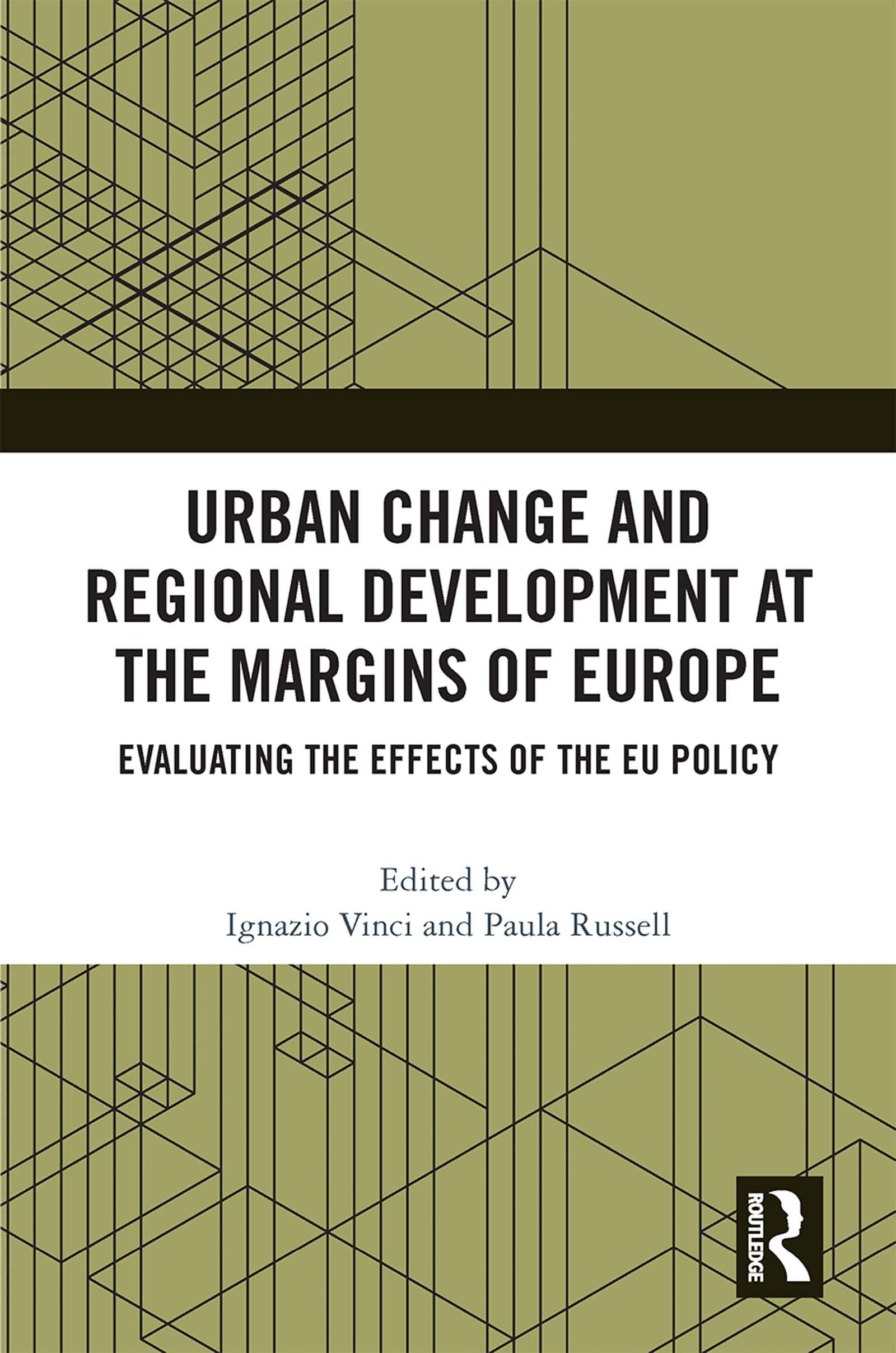
Since the beginning of the 1990s, regions and urban areas have become a primary target of EU Cohesion Policy. For a number of European cities, especially in the less developed regions, this has resulted in a unique opportunity for the implementation of extensive development projects, as well as delivering innovations in urban policy and local governance.
Through the detailed observation of planning processes which took place in four European cities – Porto (PT), Malaga (ES), Palermo (IT), and Thessaloniki (EL) – this book explores the different ways that EU intervention can affect the policy process locally, from the regeneration of decayed neighbourhoods and the creation of key services for improving the quality of life, to the establishment of new governance relations and increasing the institutional capacity in local government.
The book also provides a critical reflection on the impact of EU urban policy in reducing regional disparities and the extent to which Cohesion Policy has helped cities to open new pathways for local development. With a special focus on the EU’s marginal regions, this book is a guide to understanding how EU policy has affected urban change and local development across Europe.
The chapters in this book were originally published as a special issue of the journal Urban Research & Practice.
Pay easily by card, Klarna, Apple Pay or Google Pay. Not happy? You always have a 14-day money-back guarantee. Read more in our terms. If you have any questions, email us at hello@memmo.org.
Memmo makes studying easier – wherever you are in the world. We bring your course books and smart study tools together in one place: summaries, quizzes, podcasts and flashcards. Plus Ted, your study buddy who answers anything you wonder. Over 75,000 students already study here – built to help you learn faster and stress less.