
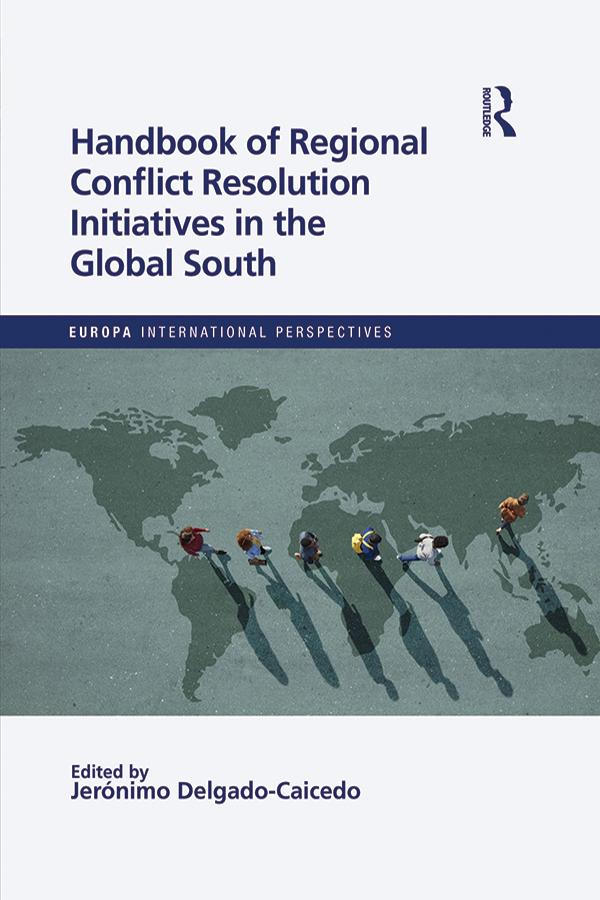
During the first half of the twentieth century, the international system was largely dominated by the USA and the colonial powers of western Europe. After the two world wars, the political and economic dominance of these states guaranteed them and their allies an almost complete control of world politics. However, as it is the norm in the international system, power structures are not immutable. After the end of the Cold War, rapid changes to the existing international hierarchies took place, as new countries from the so-called ‘‘developing world’’ began to emerge as crucial actors capable of questioning and altering the power dynamics of the world. It is therefore unthinkable to ignore emerging countries such as Russia, the People’s Republic of China, India, Brazil or South Africa in the decision-making process in today’s world order.
In addition, there is a group of smaller, yet increasingly important countries that, while acknowledging their inability radically to change the rules of the international system, are still eager to shift power relations and enhance their influence in the world. Argentina, Colombia, Egypt, Indonesia, Iran, South Korea, Mexico, Nigeria, Pakistan, Saudi Arabia, Turkey and Vietnam are generally recognised as part of this grouping of emerging powers from the Global South.
While there is a consensus amongst academics that emerging powers from the Global South must have a stabilising role within their own regions, previous analyses have focused primarily on the impact that emerging powers have had in their own regions’ conflict resolution initiatives. This volume, instead, aims to go beyond these analyses and provide new insights regarding the effect that this stabilising role has on the continental and global positioning of emerging powers. In other words, this book explores the relation between a country’s involvement in conflict resolution initiatives and its positioning in the international system. The volume will contribute to this approach using the perspective of academics and practitioners from countries of the Global South, particularly from states that have strengthened - or sometimes weakened - their position in the international hierarchy of power through a leading role in regional conflict resolution initiatives.
Pay easily by card, Klarna, Apple Pay or Google Pay. Not happy? You always have a 14-day money-back guarantee. Read more in our terms. If you have any questions, email us at hello@memmo.org.
Memmo makes studying easier – wherever you are in the world. We bring your course books and smart study tools together in one place: summaries, quizzes, podcasts and flashcards. Plus Ted, your study buddy who answers anything you wonder. Over 50,000 students already study here – built to help you learn faster and stress less.