
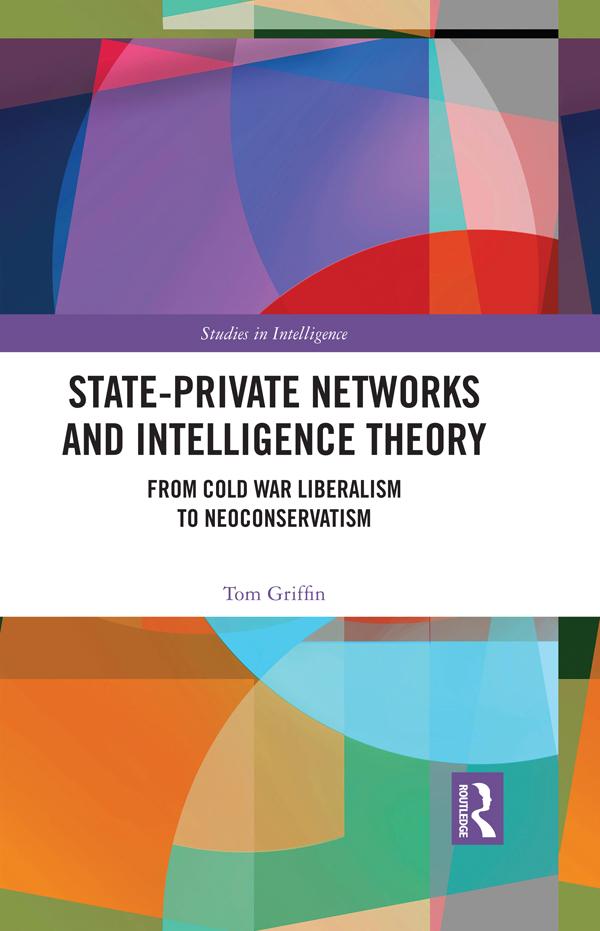
This book examines the United States neoconservative movement, arguing that its support for the 2003 invasion of Iraq was rooted in an intelligence theory shaped by the policy struggles of the Cold War.
The origins of neoconservative engagement with intelligence theory are traced to a tradition of labour anti-communism that emerged in the early 20th century and subsequently provided the Central Intelligence Agency with key allies in the state-private networks of the Cold War era. Reflecting on the break-up of Cold War liberalism and the challenge to state-private networks in the 1970s, the book maps the neoconservative response that influenced developments in United States intelligence policy, counterintelligence and covert action. With the labour roots of neoconservatism widely acknowledged but rarely systematically pursued, this new approach deploys the neoconservative literature of intelligence as evidence of a tradition rooted in the labour anti-communist self-image as allies rather than agents of the American state.
This book will be of great interest to all students of intelligence studies, Cold War history, United States foreign policy and international relations.
Pay easily by card, Klarna, Apple Pay or Google Pay. Not happy? You always have a 14-day money-back guarantee. Read more in our terms. If you have any questions, email us at hello@memmo.org.
Memmo makes studying easier – wherever you are in the world. We bring your course books and smart study tools together in one place: summaries, quizzes, podcasts and flashcards. Plus Ted, your study buddy who answers anything you wonder. Over 50,000 students already study here – built to help you learn faster and stress less.