
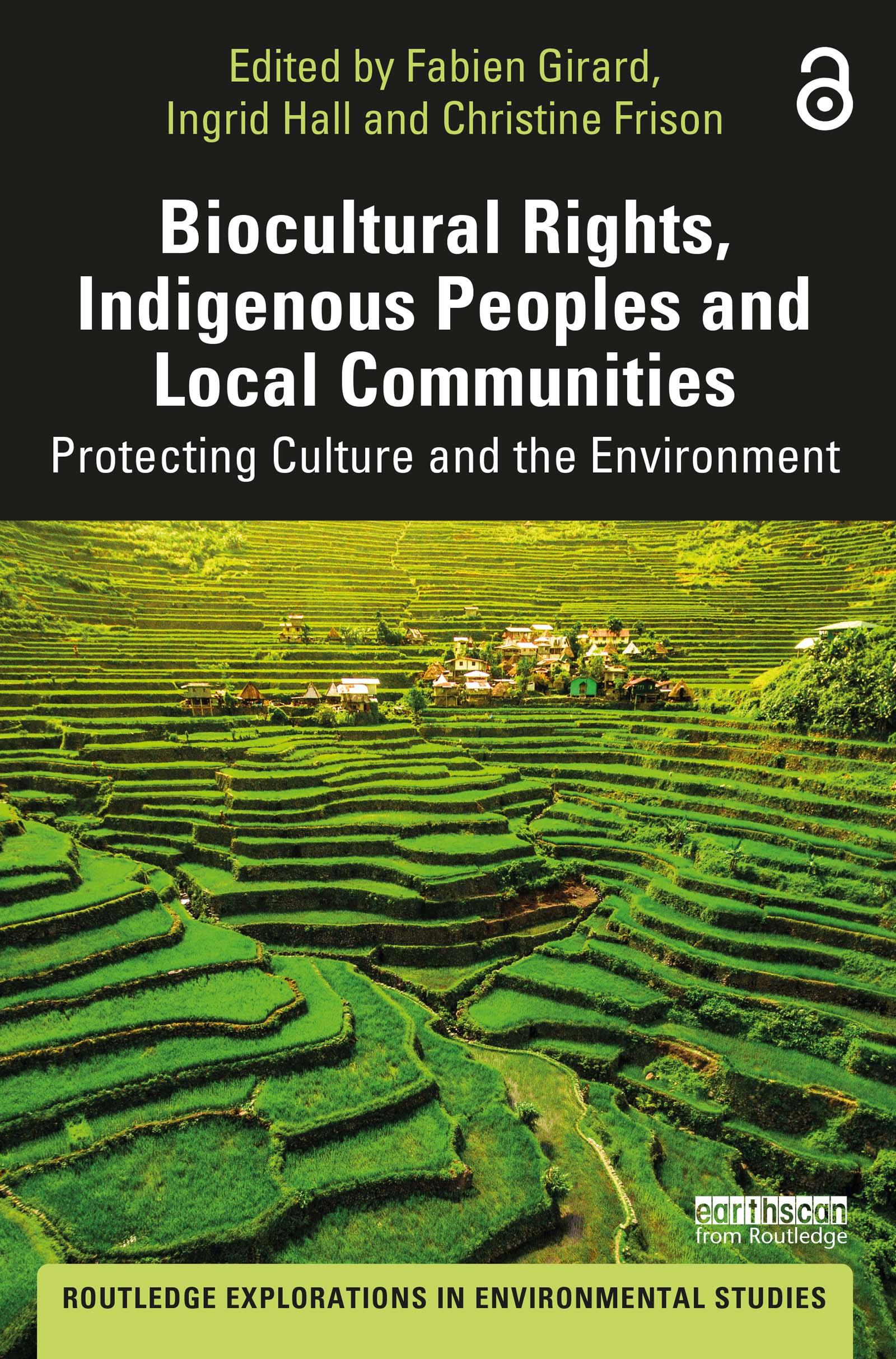
This volume presents a comprehensive overview of biocultural rights, examining how we can promote the role of indigenous peoples and local communities as environmental stewards and how we can ensure that their ways of life are protected.
With Biocultural Community Protocols (BCPs) or Community Protocols (CPs) being increasingly seen as a powerful way of tackling this immense challenge, this book investigates these new instruments and considers the lessons that can be learnt about the situation of indigenous peoples and local communities. It opens with theoretical insights which provide the reader with foundational concepts such as biocultural diversity, biocultural rights and community rule-making. In Part Two, the book moves on to community protocols within the Access Benefit Sharing (ABS) context, while taking a glimpse into the nature and role of community protocols beyond issues of access to genetic resources and traditional knowledge. A thorough review of specific cases drawn from field-based research around the world is presented in this part. Comprehensive chapters also explore the negotiation process and raise stimulating questions about the role of international brokers and organizations and the way they can use BCPs/CPs as disciplinary tools for national and regional planning or to serve powerful institutional interests. Finally, the third part of the book considers whether BCPs/CPs, notably through their emphasis on "stewardship of nature" and "tradition", can be seen as problematic arrangements that constrain indigenous peoples within the Western imagination, without any hope of them reconstructing their identities according to their own visions, or whether they can be seen as political tools and representational strategies used by indigenous peoples in their struggle for greater rights to their land, territories and resources, and for more political space.
This volume will be of great interest to students and scholars of environmental law, indigenous peoples, biodiversity conservation and environmental anthropology. It will also be of great use to professionals and policymakers involved in environmental management and the protection of indigenous rights.
The Open Access version of this book, available at www.taylorfrancis.com, has been made available under a Creative Commons Attribution-Non Commercial-No Derivatives 4.0 license
Pay easily by card, Klarna, Apple Pay or Google Pay. Not happy? You always have a 14-day money-back guarantee. Read more in our terms. If you have any questions, email us at hello@memmo.org.
Memmo makes studying easier – wherever you are in the world. We bring your course books and smart study tools together in one place: summaries, quizzes, podcasts and flashcards. Plus Ted, your study buddy who answers anything you wonder. Over 50,000 students already study here – built to help you learn faster and stress less.