
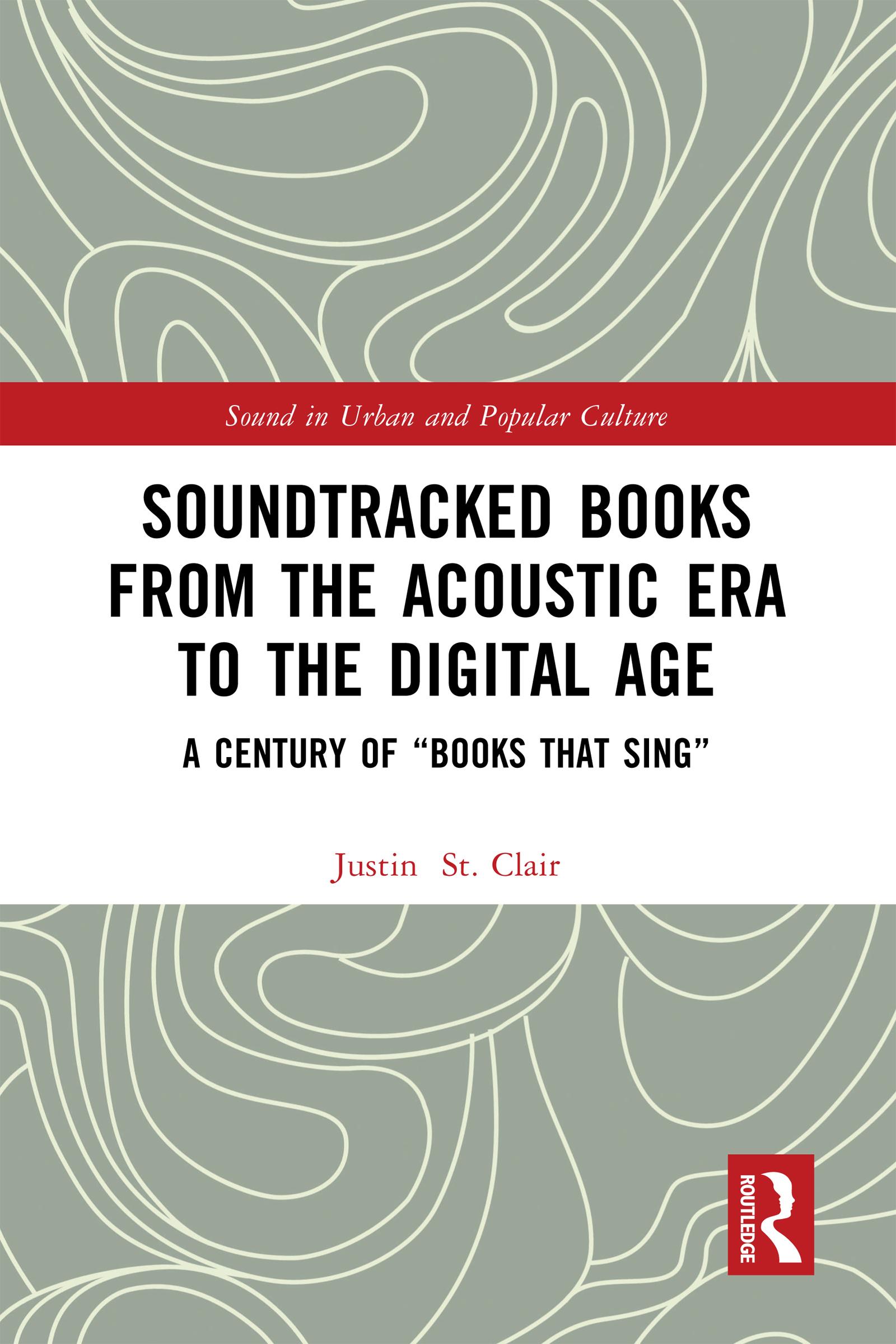
Offering both a short history and a theoretical framework, this book is the first extended study of the soundtracked book as a media form. A soundtracked book is a print or digital publication for which a recorded, musical complement has been produced. Early examples were primarily developed for the children's market, but by the middle of the twentieth century, ethnographers had begun producing book-and-record combinations that used print to contextualize musical artifacts. The last half-century has witnessed the rapid expansion of the adult market, including soundtracked novels from celebrated writers such as Ursula K. Le Guin, Kathy Acker, and Mark Z. Danielewski. While often dismissed as gimmicks, this volume argues that soundtracked books represent an interesting case study in media consumption. Unlike synchronous multimedia forms, the vast majority of soundtracked books require that audience activity be split between reading and listening, thus defining the user experience and often shaping the content of singing books as well.
Mapping the form's material evolution, this book charts a previously unconsidered pathway through more than a century of recording formats and packaging strategies, emphasizing the synergies and symbioses that characterize the marriage of sound and print. As such, it will be of value to scholars and postgraduate students working in media studies, literary studies, and sound studies.
Pay easily by card, Klarna, Apple Pay or Google Pay. Not happy? You always have a 14-day money-back guarantee. Read more in our terms. If you have any questions, email us at hello@memmo.org.
Memmo makes studying easier – wherever you are in the world. We bring your course books and smart study tools together in one place: summaries, quizzes, podcasts and flashcards. Plus Ted, your study buddy who answers anything you wonder. Over 50,000 students already study here – built to help you learn faster and stress less.