
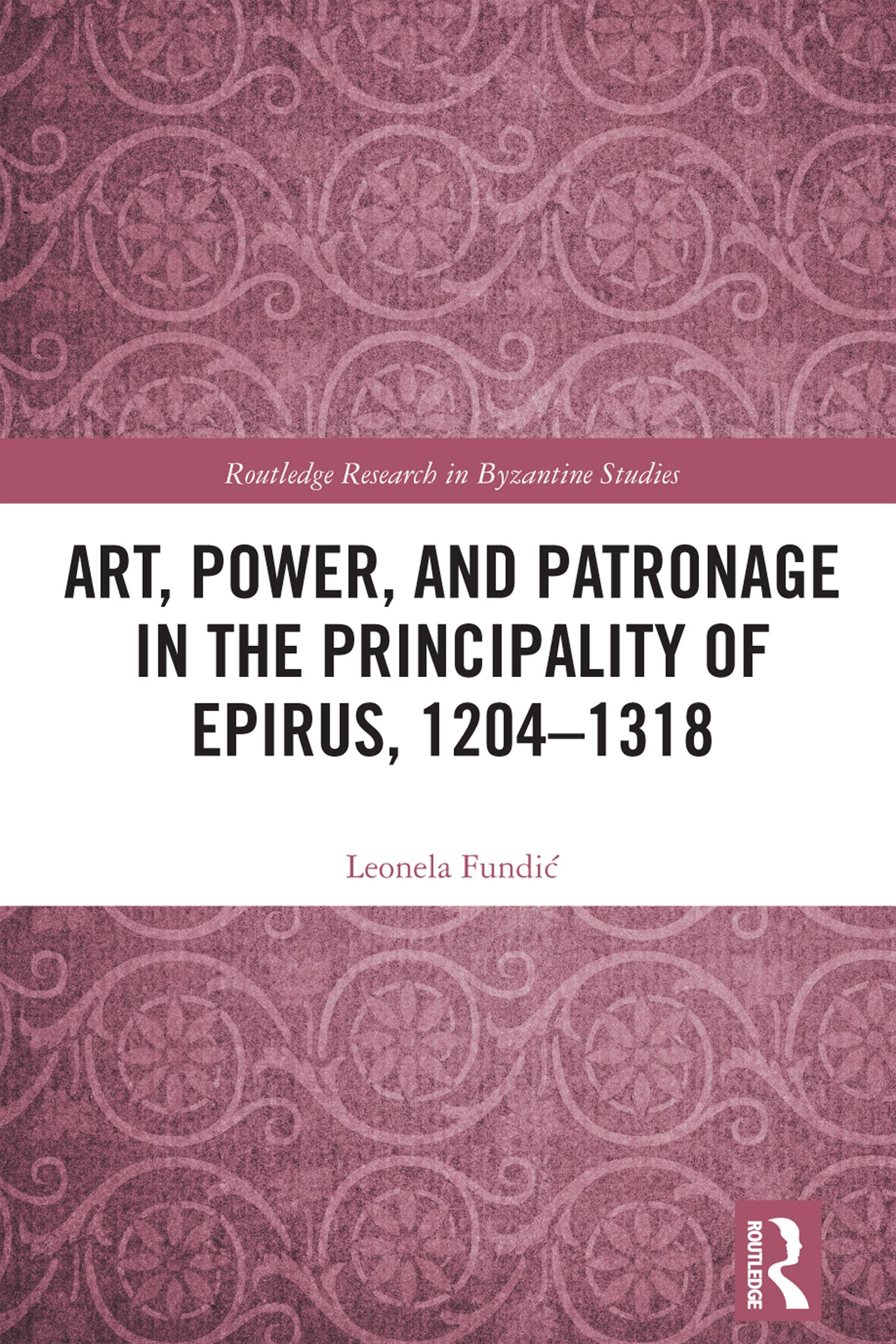
The Principality of Epirus was a medieval Greek state established in the western part of the Balkans after the fall of Constantinople to the forces of the Fourth Crusade in 1204. The Epirote rulers from the Komnenos Doukas family claimed to be legitimate successors to the Byzantine imperial throne and, with the support of the high clergy and the aristocracy within their domain, carefully maintained their Byzantine identity under the conditions of exile. This book explores a corpus of Epirote architecture, frescoes, sculpture, and inscriptions from the early thirteenth to the early fourteenth century within a comparative and interdisciplinary framework, focusing on the nexus of art, patronage, and political ideology. Through an examination of a vast array of visual and textual sources, many of them understudied or hitherto unpublished, the book uncovers how the Epirote elite mobilised art and material culture to address the issues of succession and legitimacy, construct memory, reclaim Constantinople, and mediate encounters and exchanges with the Latin West. In doing so, this study offers a new perspective on Byzantine political and cultural history in the aftermath of the Fourth Crusade.
Pay easily by card, Klarna, Apple Pay or Google Pay. Not happy? You always have a 14-day money-back guarantee. Read more in our terms. If you have any questions, email us at hello@memmo.org.
Memmo makes studying easier – wherever you are in the world. We bring your course books and smart study tools together in one place: summaries, quizzes, podcasts and flashcards. Plus Ted, your study buddy who answers anything you wonder. Over 50,000 students already study here – built to help you learn faster and stress less.