
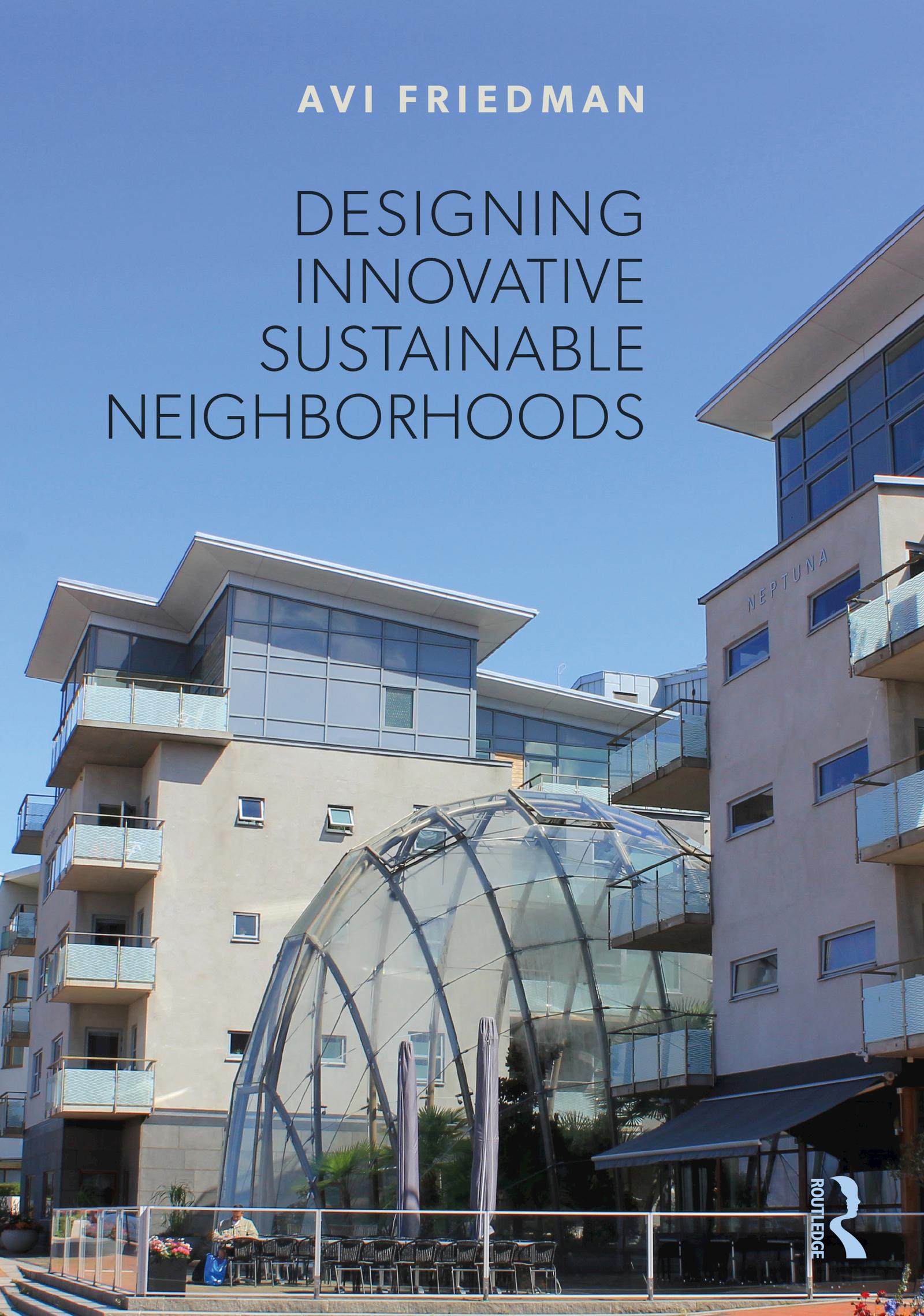
This book covers fundamental aspects of neighborhood planning and architecture along sustainable principles. Written by a designer and instructor, the book’s fully illustrated chapters provide detailed insights into contemporary strategies that architects, planners and builders are integrating into their thought processes and residential design practices.
Past approaches to planning and design modes of dwellings and neighborhoods can no longer sustain new demands and require innovative thinking. This book explores new outlooks on neighborhood design, which are propelled by fundamental changes that touch upon environmental, economic and social aspects. It presents contemporary well-designed and illustrated examples of communities and detailed analysis of topics including the depletion of non-renewable natural resources, elevated levels of greenhouse gas emissions and climate change. It also explores the increasing costs of material, labor, land and infrastructure, which pose economic challenges; as well as social challenges including the need for walkable communities and the increase in live-work environments.
The need to think innovatively about neighborhoods is at the core of this book, which will be useful to students and practitioners of urban design, urban planning, geography and urban systems; and to architecture studios focused on sustainable residential development.
Pay easily by card, Klarna, Apple Pay or Google Pay. Not happy? You always have a 14-day money-back guarantee. Read more in our terms. If you have any questions, email us at hello@memmo.org.
Memmo makes studying easier – wherever you are in the world. We bring your course books and smart study tools together in one place: summaries, quizzes, podcasts and flashcards. Plus Ted, your study buddy who answers anything you wonder. Over 75,000 students already study here – built to help you learn faster and stress less.