
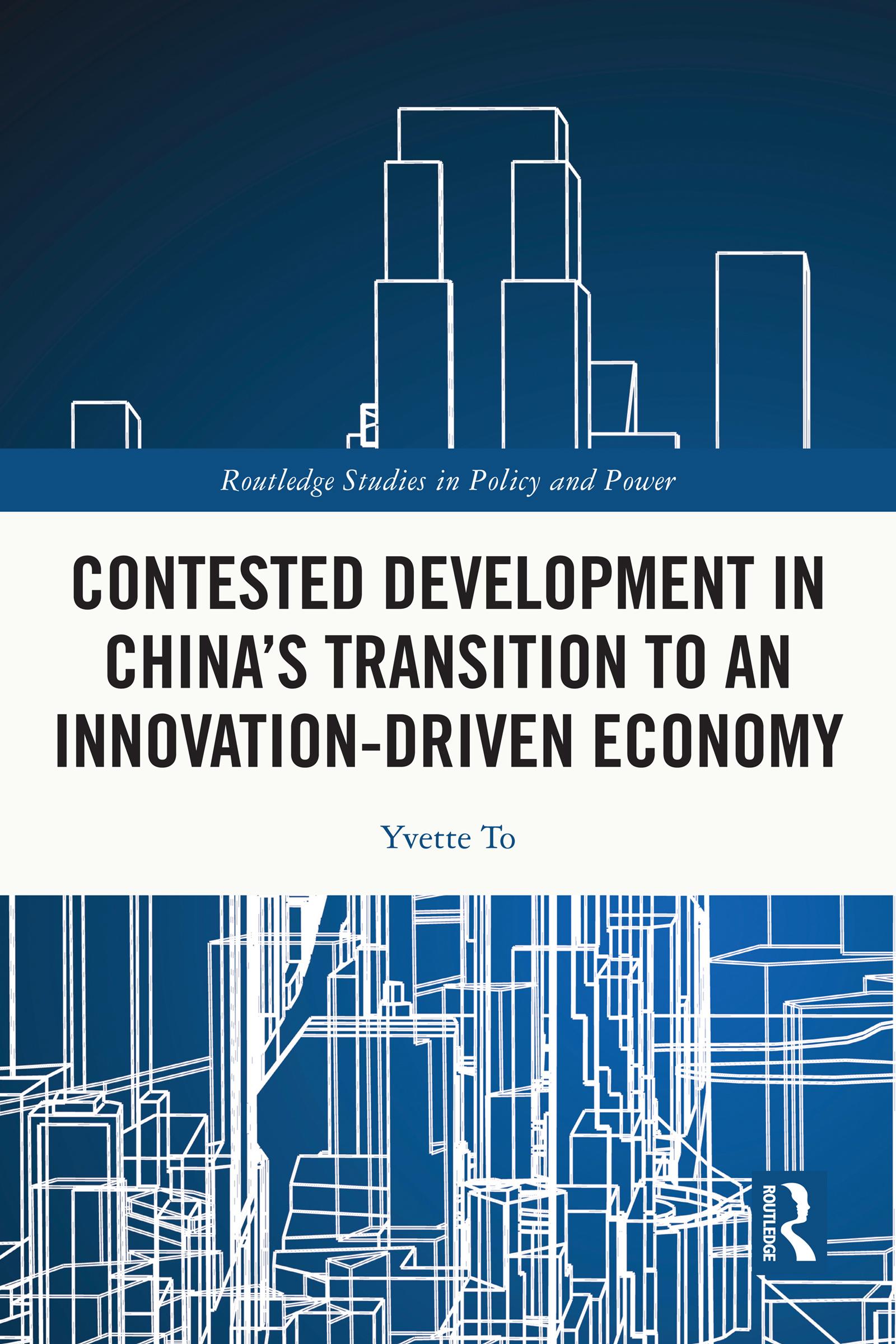
This book investigates how technology and innovation policies in contemporary China are impacted by collaboration and conflicts between different classes and interests in a world economy, in which competitiveness is defined by the successful leverage of emerging technologies.
Focusing on the actual processes and outcomes of technological upgrading in three dynamic sectors, the book presents an alternative approach to understanding China’s industrial upgrading strategies, by examining the ways in which the making and implementation of policies are shaped by political struggles between state actors and dominant capitalist interests in the context of global capitalism. In doing so, the book challenges influential institutionalist approaches as explanations of institutional change, positing instead a political economy framework grounded in social conflict theory to reveal how power relationships and politics are intrinsic to the evolution, form, and function of institutions.
This book will be of key interest to scholars and students of international political economy, development studies, globalisation and innovation, China and Chinese politics, and public policy.
Pay easily by card, Klarna, Apple Pay or Google Pay. Not happy? You always have a 14-day money-back guarantee. Read more in our terms. If you have any questions, email us at hello@memmo.org.
Memmo makes studying easier – wherever you are in the world. We bring your course books and smart study tools together in one place: summaries, quizzes, podcasts and flashcards. Plus Ted, your study buddy who answers anything you wonder. Over 50,000 students already study here – built to help you learn faster and stress less.