
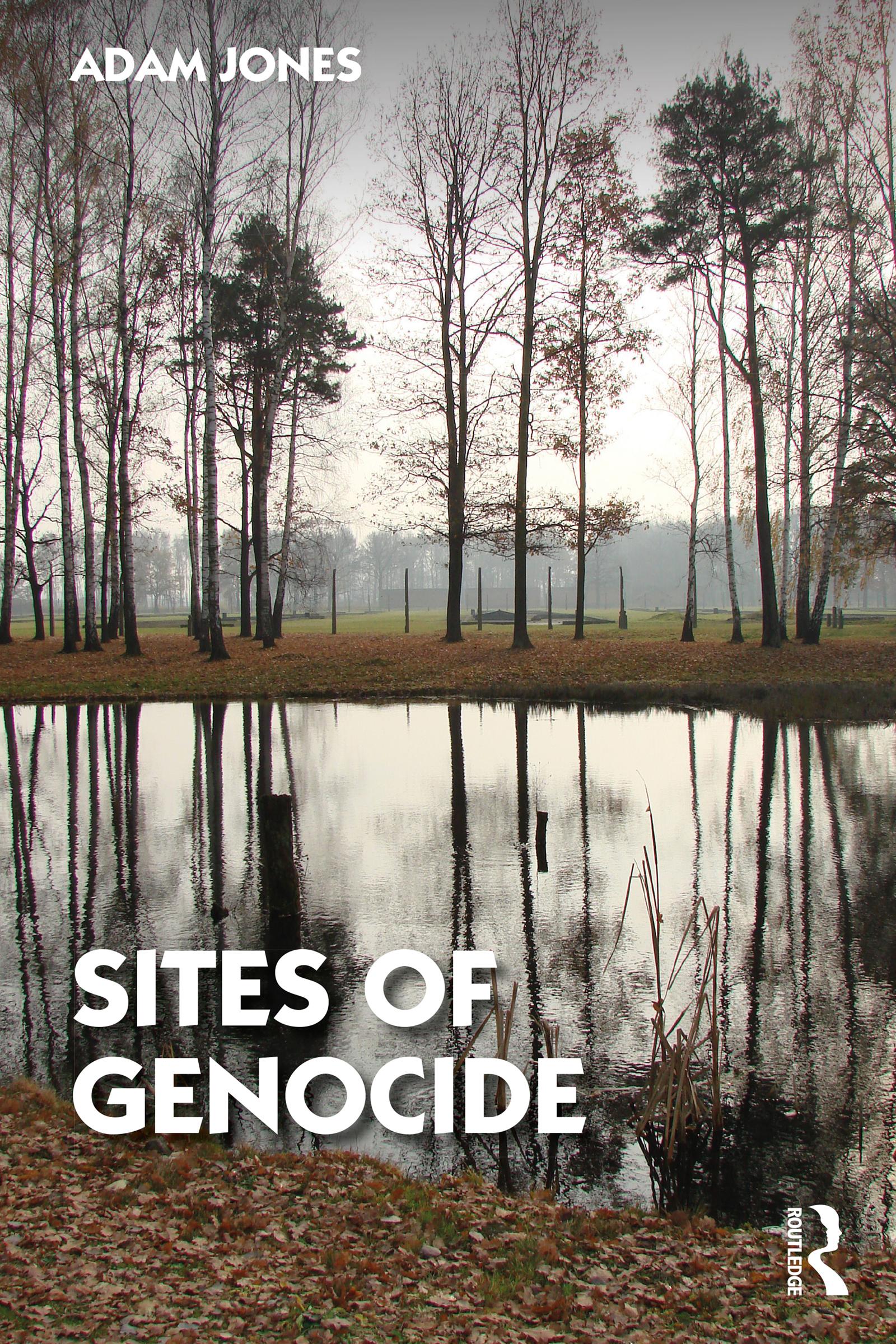
"Genocide" may be the most powerful word in the English language. What is the significance and relevance of this formative concept today? In an extraordinarily wide-ranging collection of essays and interviews, Adam Jones, one of the world's leading genocide scholars, explores the uses and controversies surrounding the term that Raphael Lemkin coined during the Second World War to describe and prohibit mass atrocities against defined human groups.
In a style that is learned but always accessible and engaging, Jones addresses key historical and contemporary issues, such as: What were the motivations and proclaimed justifications for genocide in the "long nineteenth century" that shaped our modern world? How can "humanitarian" interventions in genocide avoid sliding into new imperialism? What are the connections between religion and genocide? How can the gender variable in genocide perpetration and victimization be understood? A wide range of historical and contemporary genocides and crimes against humanity, from the eighteenth-century slave rebellion in Haiti to Myanmar's destruction of the Rohingya, and to the forms of structural and systemic violence that Jones argues should be encompassed by any global-historical understanding of genocide.
Sites of Genocide is illustrated with photos from Jones's own collection and other sources. It will be of interest to all students and scholars of human rights and for general readers seeking a point of entry to the rich and provocative debates in comparative genocide studies.
Pay easily by card, Klarna, Apple Pay or Google Pay. Not happy? You always have a 14-day money-back guarantee. Read more in our terms. If you have any questions, email us at hello@memmo.org.
Memmo makes studying easier – wherever you are in the world. We bring your course books and smart study tools together in one place: summaries, quizzes, podcasts and flashcards. Plus Ted, your study buddy who answers anything you wonder. Over 50,000 students already study here – built to help you learn faster and stress less.