
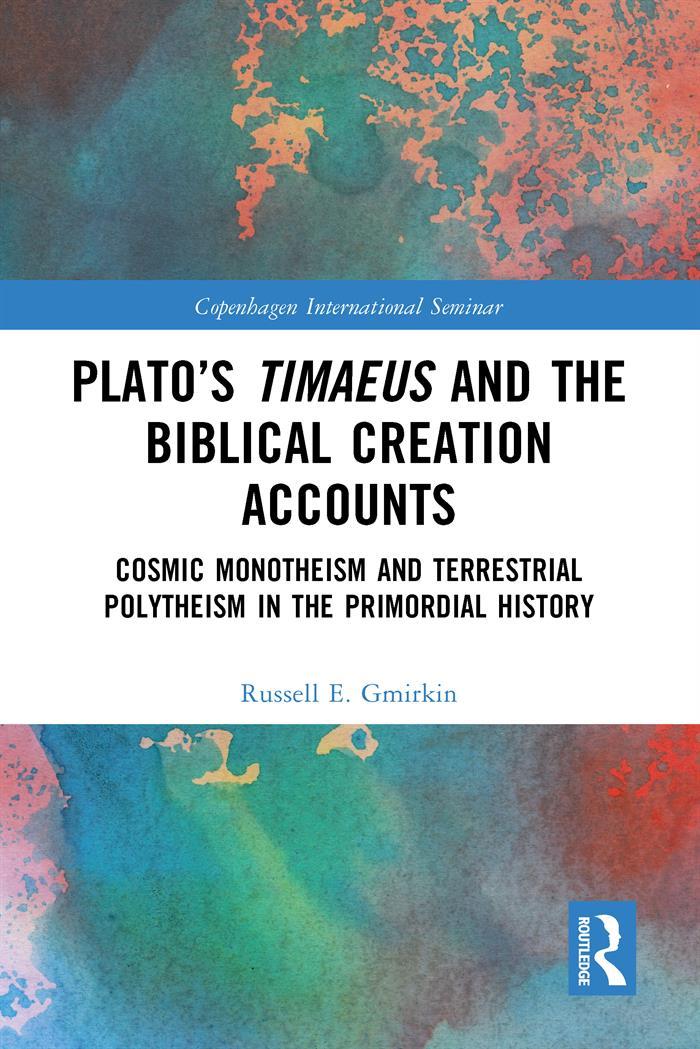
Plato’s Timaeus and the Biblical Creation Accounts argues that the creation of the world in Genesis 1 and the story of the first humans in Genesis 2-3 both draw directly on Plato’s famous account of the origins of the universe, mortal life and evil containing equal parts science, theology and myth.
This book is the first to systematically compare biblical, Ancient Near Eastern and Greek creation accounts and to show that Genesis 1-3 is heavily indebted to Plato’s Timaeus and other cosmogonies by Greek natural philosophers. It argues that the idea of a monotheistic cosmic god was first introduced in Genesis 1 under the influence of Plato’s philosophy, and that this cosmic Creator was originally distinct from the lesser terrestrial gods, including Yahweh, who appear elsewhere in Genesis. It shows the use of Plato’s Critias, the sequel to Timaeus, in the stories about the Garden of Eden, the intermarriage of "the sons of God" and the daughters of men, and the biblical flood. This book confirms the late date and Hellenistic background of Genesis 1-11, drawing on Plato’s writings and other Greek sources found at the Great Library of Alexandria.
This study provides a fascinating approach to Genesis that will interest students and scholars in both biblical and classical studies, philosophy and creation narratives.
Pay easily by card, Klarna, Apple Pay or Google Pay. Not happy? You always have a 14-day money-back guarantee. Read more in our terms. If you have any questions, email us at hello@memmo.org.
Memmo makes studying easier – wherever you are in the world. We bring your course books and smart study tools together in one place: summaries, quizzes, podcasts and flashcards. Plus Ted, your study buddy who answers anything you wonder. Over 50,000 students already study here – built to help you learn faster and stress less.