
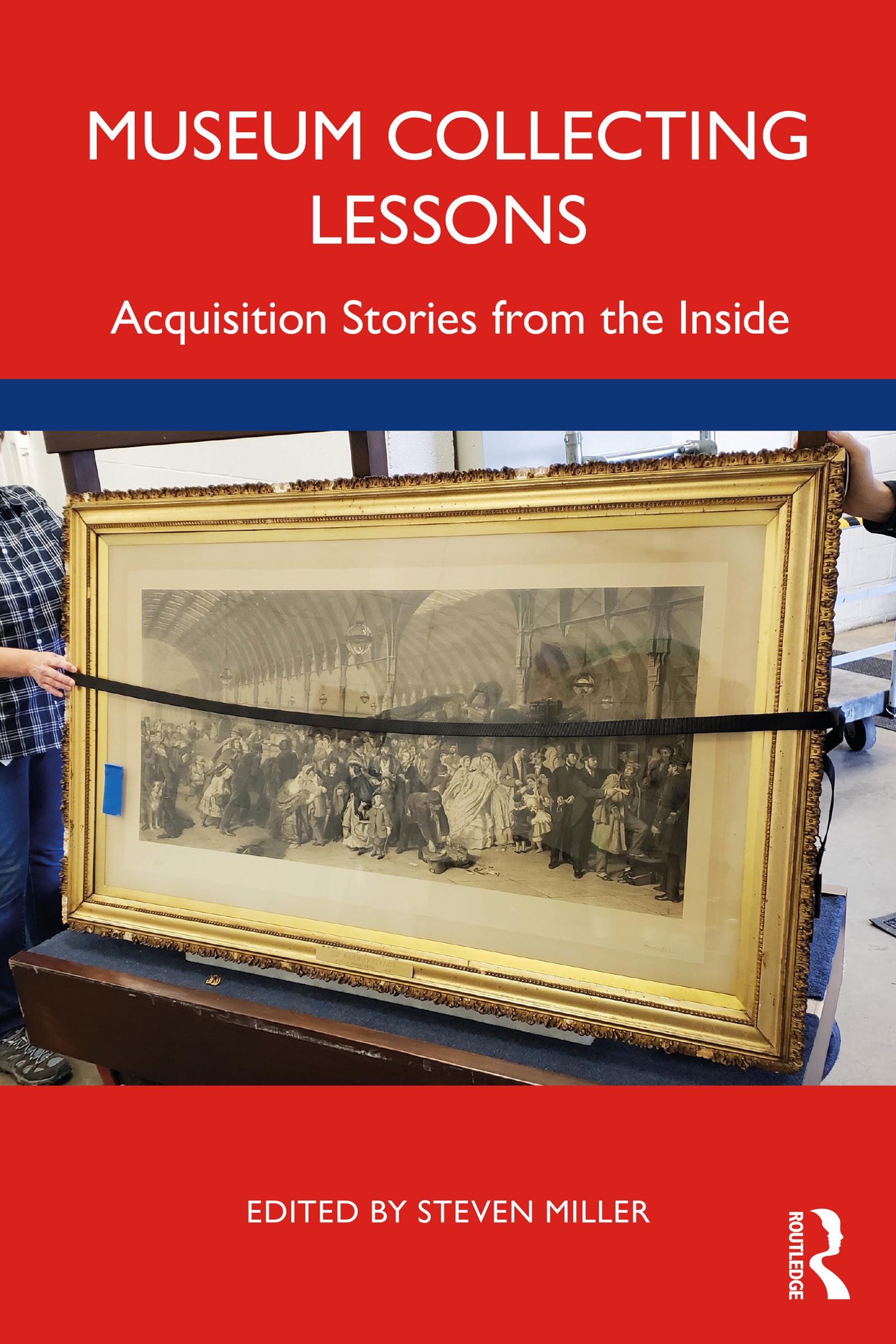
Museum Collecting Lessons explains how and why museums meet their fundamental duty to collect. It is the first book of its kind to explore the diverse ways these unique institutions acquire what is preserved and used for exhibitions, programs, publications, and online applications.
The 11 chapters that make up the volume are written by museum practitioners working in art, history, and science museums in the United States, Canada, and India. Together, the essays provide fascinating insights into a wide variety of significant acquisitions and museum collecting initiatives. The authors explain customary collecting methods, including donation, purchase, and field retrieval. Commonly shared acquisition denominators are also covered and include mission pertinence, quality control, the feasibility and legality of acquisition, personnel and volunteer involvement, and long-term retention assurances. The philosophies and realities presented within the case studies shine light on recent debates about who is included or excluded in museum collections – especially when it comes to race, ethnicity, gender, political perspectives, places of habitation, and economic status.
Museum Collecting Lessons reflects upon past and ongoing issues relating to museum acquisition practices. Offering valuable insights about philosophical, practical, and ethical collecting practices, the book will be of interest to aspiring, beginner, and experienced museum professionals around the world.
Pay easily by card, Klarna, Apple Pay or Google Pay. Not happy? You always have a 14-day money-back guarantee. Read more in our terms. If you have any questions, email us at hello@memmo.org.
Memmo makes studying easier – wherever you are in the world. We bring your course books and smart study tools together in one place: summaries, quizzes, podcasts and flashcards. Plus Ted, your study buddy who answers anything you wonder. Over 50,000 students already study here – built to help you learn faster and stress less.