
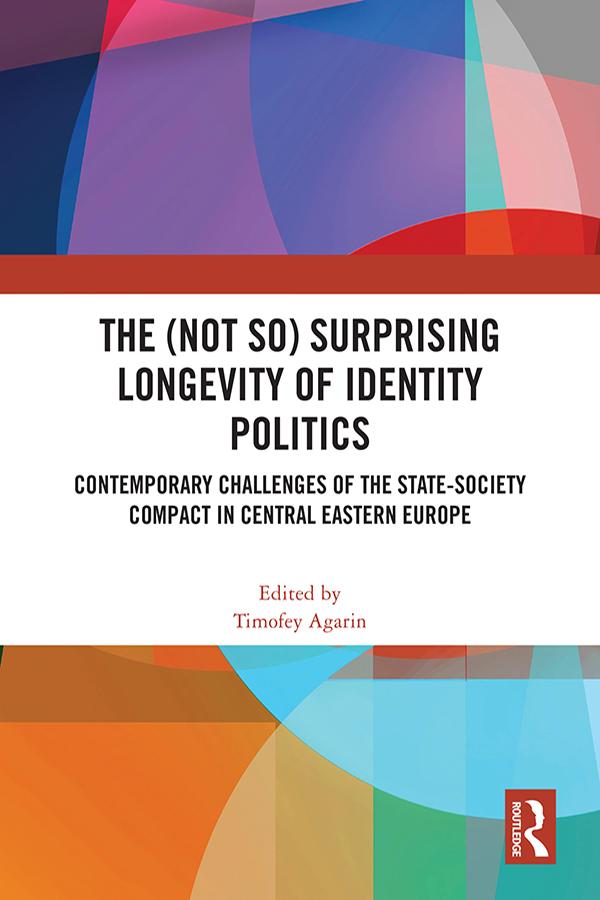
This book assesses the underpinning role ‘references to identity’ played and continue to play as the powerful mobilising force in domestic politics across the East European region stretching from Estonia to Bulgaria.
The EU membership of postcommunist states was to ensure stability, prevent conflict and eventually guarantee equality of all citizens regardless of their political preferences or ethnic identities. However, the promotion of such norms and values has been secondary to consolidation of state institutions and the societies they serve around ethnocentric narratives of states’ core ethnic groups. The sequel of financial, then ‘refugee’ crises has further dented the appeal of the EU’s norms across the region. Even the rhetoric commitment to respect cultural diversity and human rights has been promptly replaced with references to identity and interests of politically relevant groups. Yet, nativist and populist rhetoric has been the staple of politics since before the EU accession.
The chapters in this edited volume zoom in on politics which forge and live-off their societies’ preoccupation with ethnocentric narratives, vesting national identity with persistent relevance and considerable weight across the postcommunist region.
The chapters in this book were originally published in the journal, East European Politics.
Pay easily by card, Klarna, Apple Pay or Google Pay. Not happy? You always have a 14-day money-back guarantee. Read more in our terms. If you have any questions, email us at hello@memmo.org.
Memmo makes studying easier – wherever you are in the world. We bring your course books and smart study tools together in one place: summaries, quizzes, podcasts and flashcards. Plus Ted, your study buddy who answers anything you wonder. Over 50,000 students already study here – built to help you learn faster and stress less.