
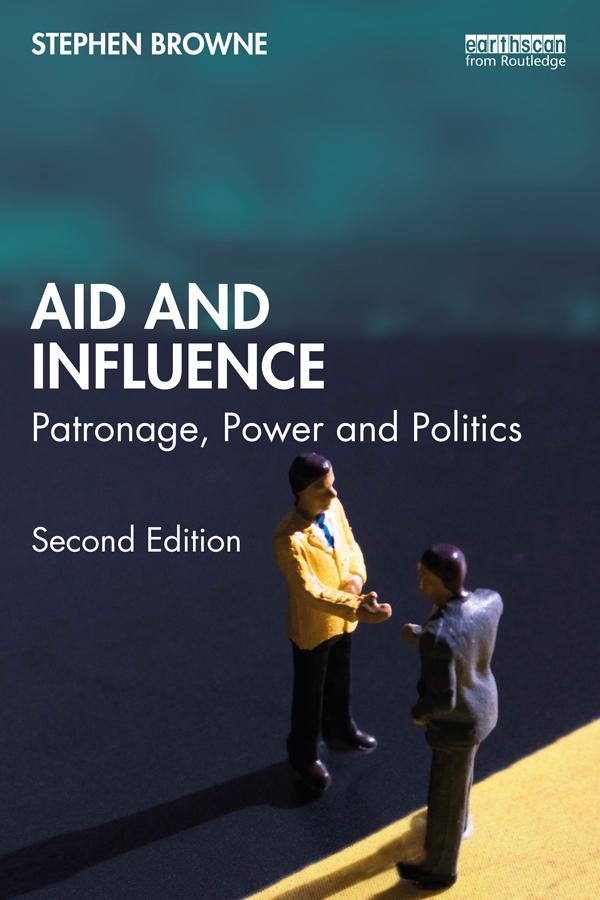
This book turns the argument about aid effectiveness on its head. Since development assistance is inherently self-interested, a source of soft power, political manipulation and commercial opportunity, its real effectiveness could arguably be judged by the strength of donor influence and not by development impact. Its subjective nature means that its impact on development is often weak, mainly short-term and confined to limited and specific contexts.
Aid as influence was prevalent during the Cold War era. The connection is equally strong in this century’s newly bipolar world in which the contest is between western donors led by the United States, and China which is spending hundreds of billions of dollars on infrastructure as a means of influence in the global South. Influence permeates both bilateral and multilateral aid and in parallel with official aid, the rise of global philanthropy has seen it taken up by some of today’s billionaires.
The response by donors to the growing havoc caused by the three Cs – conflict, climate change and COVID-19 – confirms the main findings of the book, which concludes by outlining what aid without influence would look like. This book draws on the author's 40 years of experience of the aid industry and will be essential reading for development students, practitioners and policy makers alike.
Pay easily by card, Klarna, Apple Pay or Google Pay. Not happy? You always have a 14-day money-back guarantee. Read more in our terms. If you have any questions, email us at hello@memmo.org.
Memmo makes studying easier – wherever you are in the world. We bring your course books and smart study tools together in one place: summaries, quizzes, podcasts and flashcards. Plus Ted, your study buddy who answers anything you wonder. Over 50,000 students already study here – built to help you learn faster and stress less.