
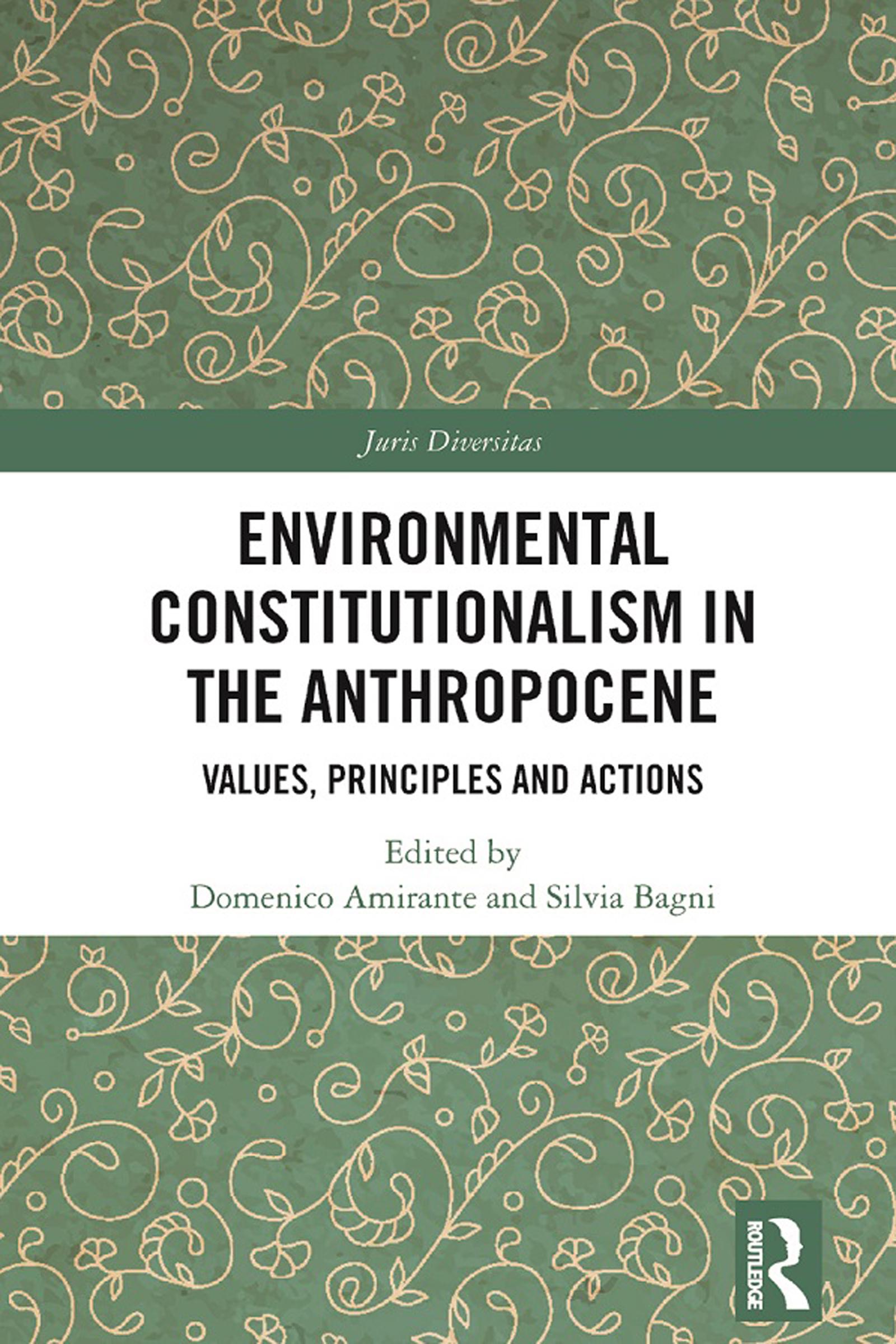
This book examines the relationship between man and nature through different cultural approaches to encourage new environmental legislation as a means of fostering acceptance at a local level.
In 2019, the International Union of Geological Sciences (IUGS) recognised that we have entered a new era, the Anthropocene, specifically characterised by the impact of one species, mankind, on environmental change. The Anthropocene is penetrating the discourse of both hard sciences and humanities and social sciences, by posing new epistemological as well as practical challenges to many disciplines. Legal sciences have so far been at the margins of this intellectual renewal, with few contributions on the central role that the notion of Anthropocene could play in forging a more effective and just environmental law. By applying a multidisciplinary approach and adopting a Law as Culture paradigm to the study of law, this book explores new paths of investigation and possible solutions to be applied. New perspectives for the constitutional framing of environmental policies, rights, and alternative methods for bottom-up participatory law-making and conflict resolution are investigated, showing that environmental justice is not just an option, but an objective within reach.
The book will be essential reading for students, academics, and policymakers in the areas of law, environmental studies and anthropology.
Pay easily by card, Klarna, Apple Pay or Google Pay. Not happy? You always have a 14-day money-back guarantee. Read more in our terms. If you have any questions, email us at hello@memmo.org.
Memmo makes studying easier – wherever you are in the world. We bring your course books and smart study tools together in one place: summaries, quizzes, podcasts and flashcards. Plus Ted, your study buddy who answers anything you wonder. Over 50,000 students already study here – built to help you learn faster and stress less.