
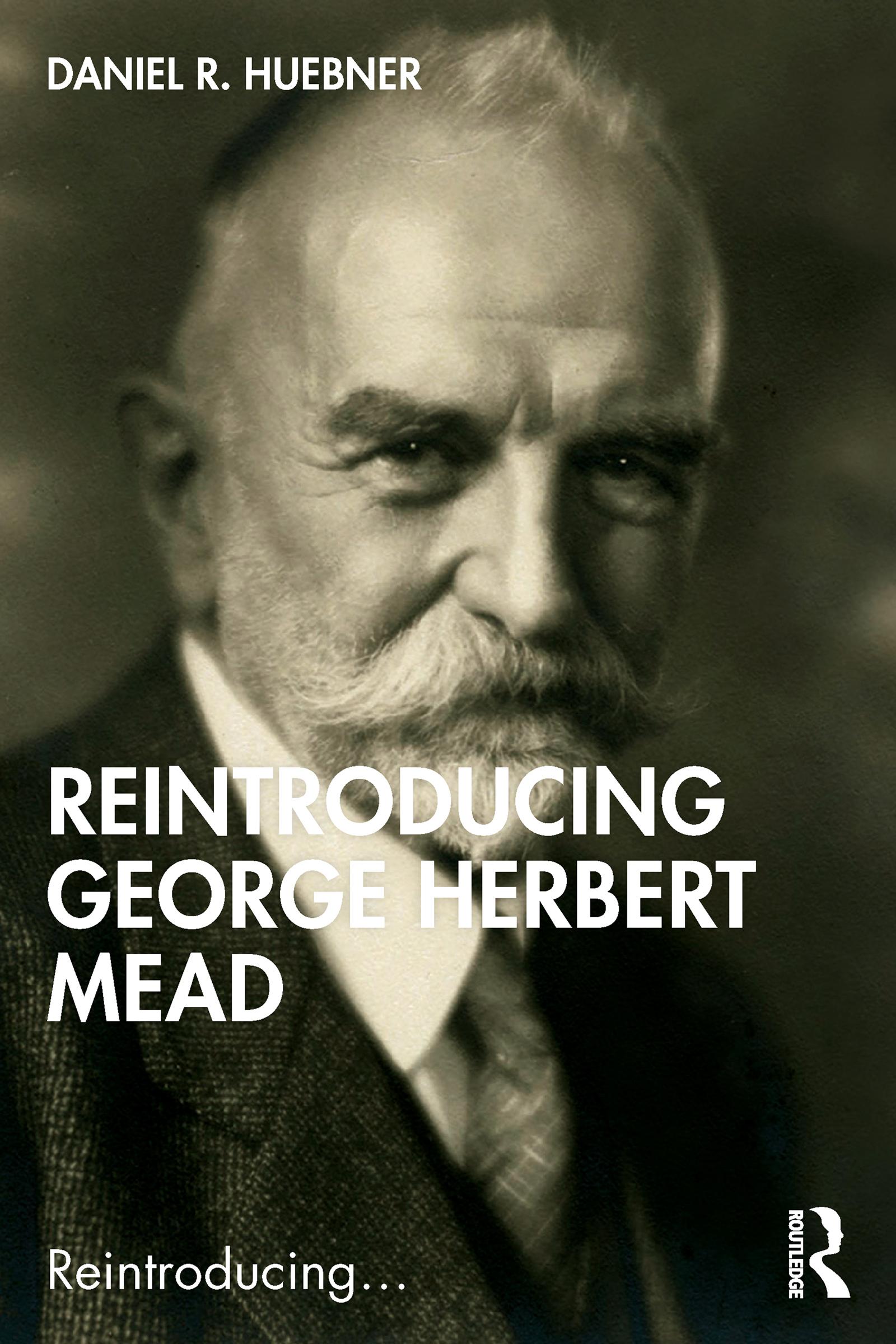
George Herbert Mead has long been known for his social theory of meaning and the ‘self’ - an approach which becomes all the more relevant in light of the ways we develop and represent ourselves online. But recent scholarship has shown that Mead’s pragmatic philosophy can help us understand a much wider range of contemporary issues including how humans and natural environments mutually influence one another, how deliberative democracy can and should work, how thinking is dependent upon the body and on others, and how social changes in the present affect our understandings of the past. Historical scholarship has also changed what we know of Mead’s life, including new emphasis on his social reform efforts, his engagement with colonization and war, and critical reinterpretation of the works published after his death. This book provides an approachable introduction to Mead’s contemporary relevance in the social sciences, showing how a pragmatic view of social action serves as the core of Mead’s theory, offering striking insights into human agency, symbolism, politics, social change, temporality, and materiality. As such, it will appeal to scholars of sociology and the social sciences more broadly, with interests in social theory and the enduring importance of the sociological classics.
Pay easily by card, Klarna, Apple Pay or Google Pay. Not happy? You always have a 14-day money-back guarantee. Read more in our terms. If you have any questions, email us at hello@memmo.org.
Memmo makes studying easier – wherever you are in the world. We bring your course books and smart study tools together in one place: summaries, quizzes, podcasts and flashcards. Plus Ted, your study buddy who answers anything you wonder. Over 50,000 students already study here – built to help you learn faster and stress less.