
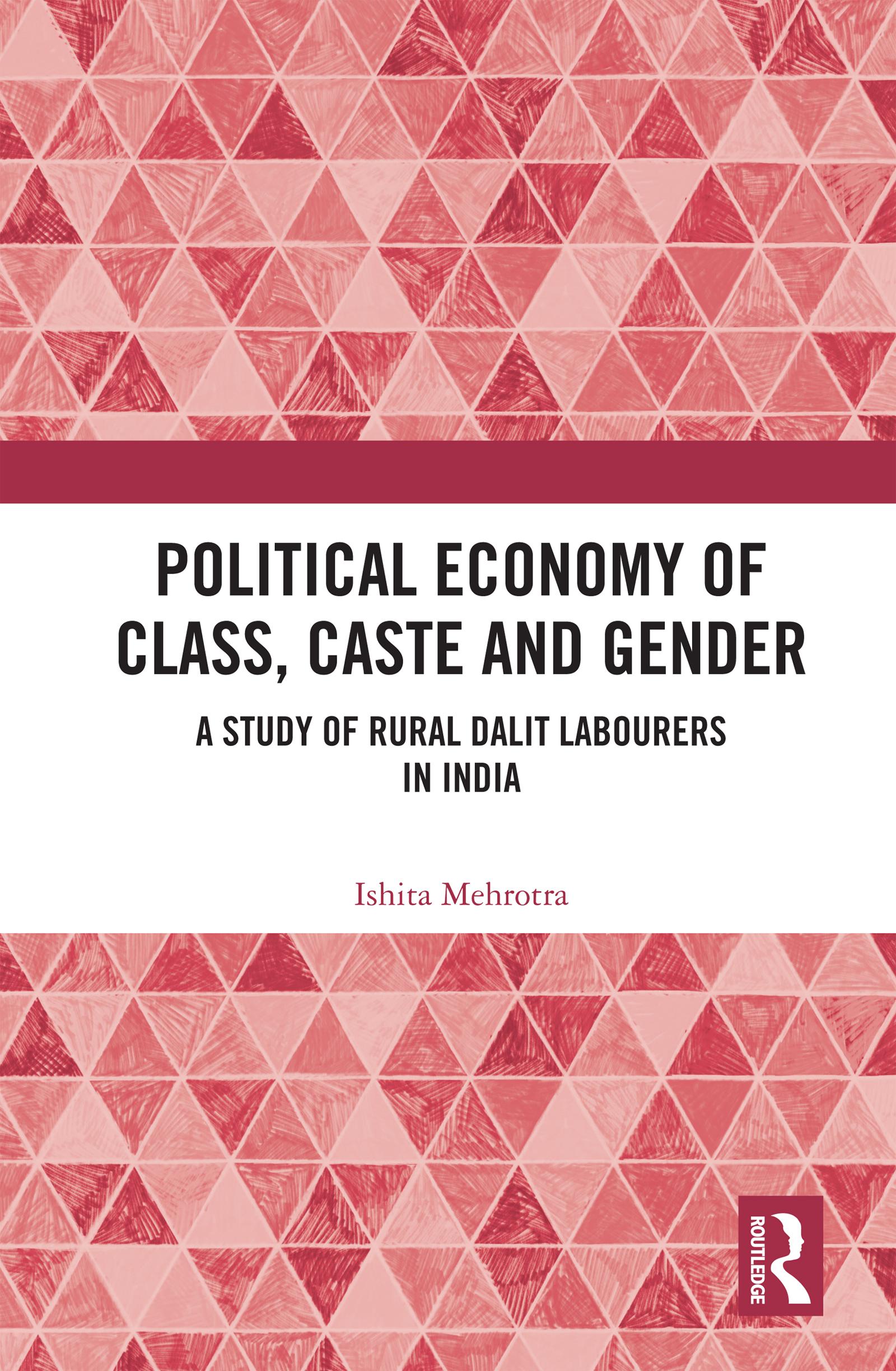
This book examines the structures of power and hierarchies within the agrarian political economy in India, with a focus on gender. It analyses various forms of inequalities within rural structures while situating the position of women and Dalit agriculture labourers within these discriminate networks of social exclusion, political marginalisation and poverty.
The book maps the impacts of neoliberal capitalist globalisation on agrarian relations to identify who labourers are and how rural diversification is shaped by class, caste and gender hierarchies specifically in the villages of eastern Uttar Pradesh. It looks at occupational patterns of women workers, labour relations and reconceptualisation of labour. The book documents the experiences of exploitation as well as forms of resistance and collective action of rural women labourers. In doing this, the book deals with processes witnessed across the global South – rural distress, depeasantisation, migration, feminisation of agriculture as well as identity-based inequalities in rural labour markets.
Rich in empirical data, the book will be useful for scholars and researchers of labour studies, women’s studies, political economy, agrarian economy, agrarian sociology, rural sociology, sociology, development studies and political studies.
Pay easily by card, Klarna, Apple Pay or Google Pay. Not happy? You always have a 14-day money-back guarantee. Read more in our terms. If you have any questions, email us at hello@memmo.org.
Memmo makes studying easier – wherever you are in the world. We bring your course books and smart study tools together in one place: summaries, quizzes, podcasts and flashcards. Plus Ted, your study buddy who answers anything you wonder. Over 50,000 students already study here – built to help you learn faster and stress less.