
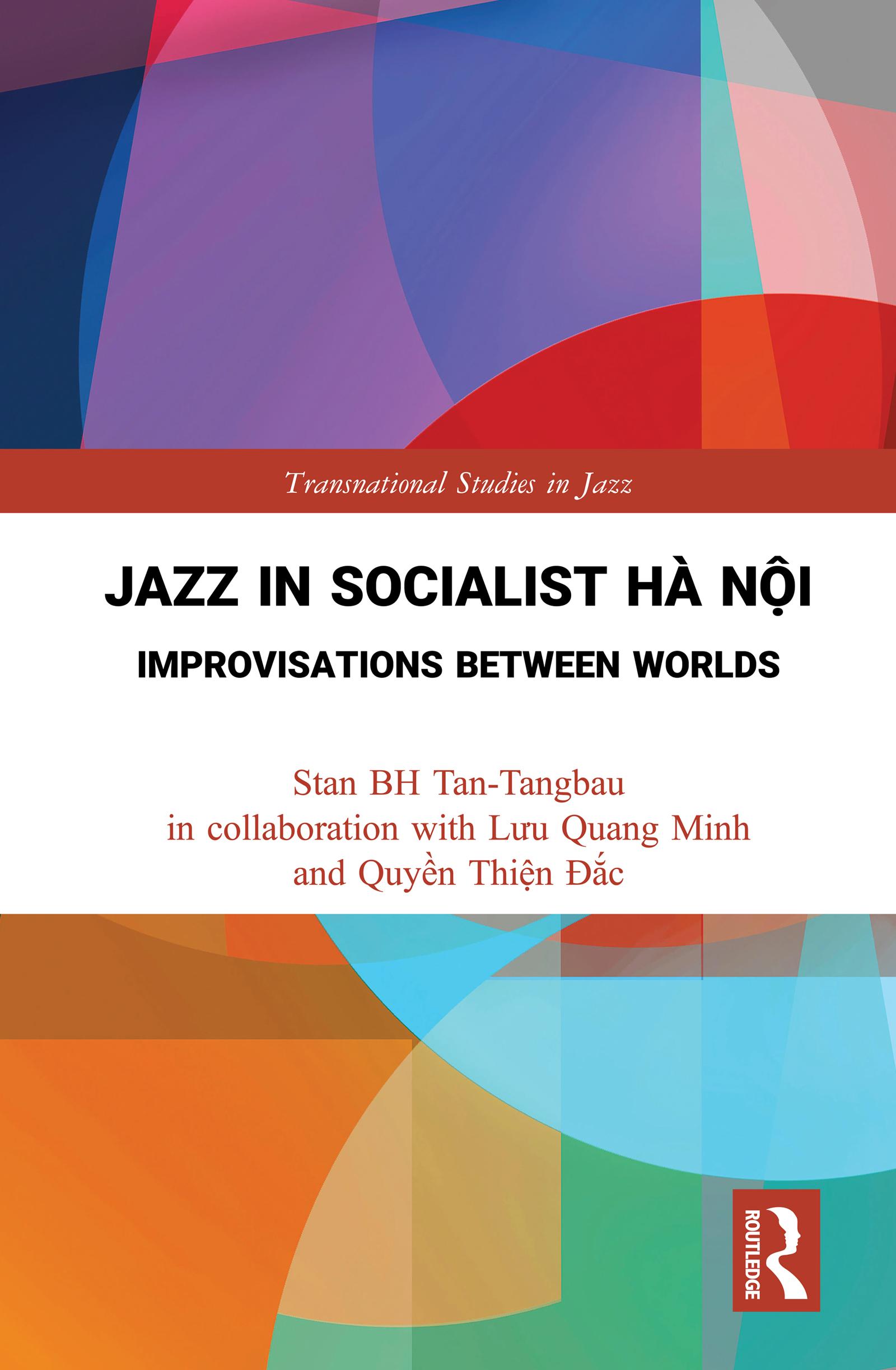
Jazz in Socialist Hà Nội: Improvisations between Worlds examines the germination and growth of jazz under communist rule—perceived as the "music of the enemy" and "ideologically decadent"—in the Vietnamese capital of Hà Nội. After disappearing from the scene in 1954 following the end of the First Indochina War, jazz reemerged in the public sphere decades later at the end of the Cold War. Since then, Hà Nội has established itself as a vital and vibrant jazz center, complete with a full jazz program in the national conservatoire. Featuring interviews with principal players involved in cultivating the scene from past to present, this book presents the sociocultural encounters between musicians and the larger powers enmeshed in the broader political economy, detailing jazz’s journey to garner respect comparable to classical music as an art form possessing high artistic value. Ethnographical sketches explore how Vietnamese musicians learn and play jazz while sustaining and nurturing the scene, providing insight as to how jazz managed to grow in such an environment. Jazz in Socialist Hà Nội sheds light on those underlying caveats that allow Vietnamese jazz musicians to navigate the middle grounds between "worlds"—between music and politics—not as an act of resistance, but as realisation of artistic expression.
Pay easily by card, Klarna, Apple Pay or Google Pay. Not happy? You always have a 14-day money-back guarantee. Read more in our terms. If you have any questions, email us at hello@memmo.org.
Memmo makes studying easier – wherever you are in the world. We bring your course books and smart study tools together in one place: summaries, quizzes, podcasts and flashcards. Plus Ted, your study buddy who answers anything you wonder. Over 50,000 students already study here – built to help you learn faster and stress less.