
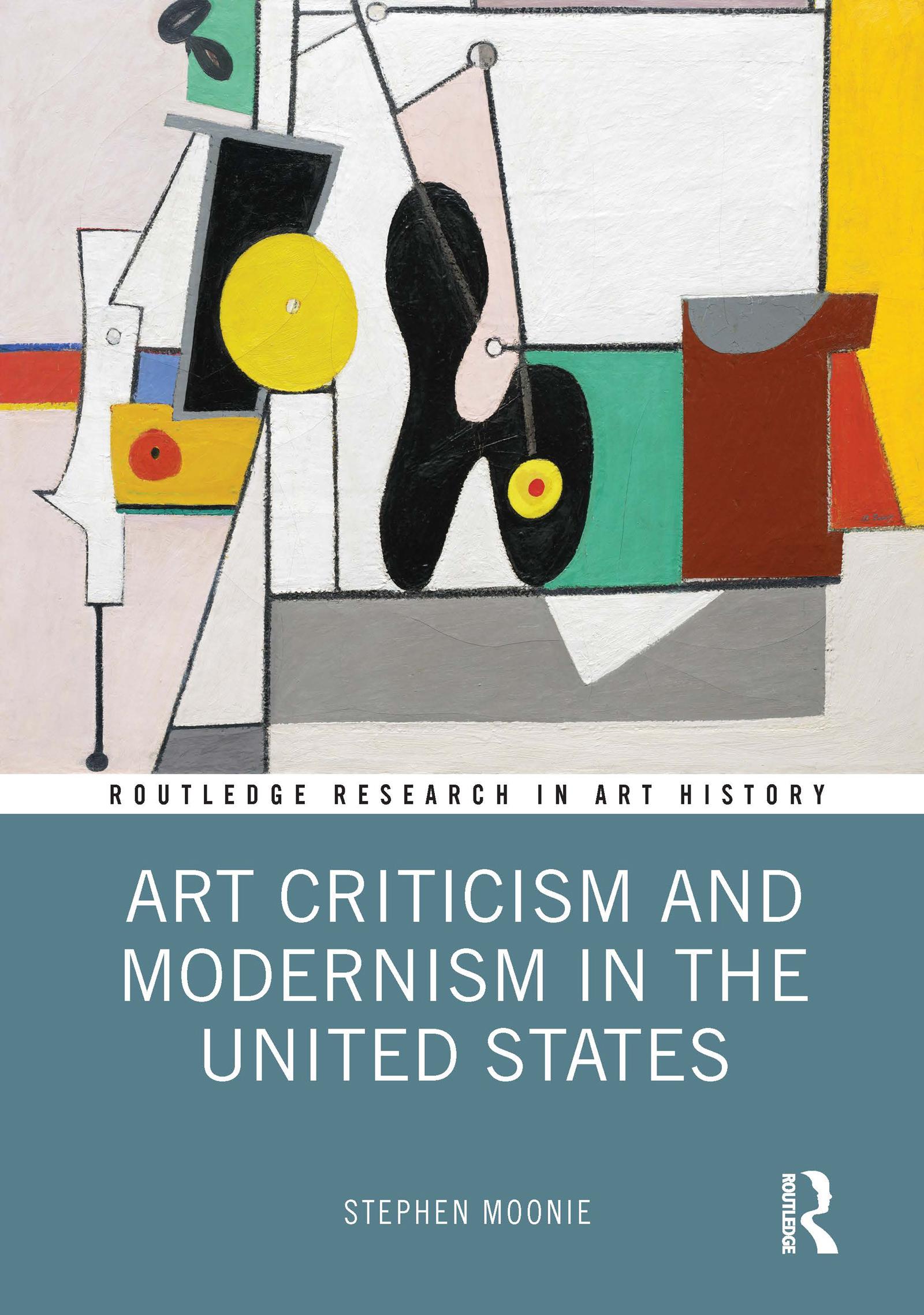
This study is an analysis of 'high' and 'late' modernist criticism in New York during the 1960s and early 1970s. Through a close reading of a selection of key critics of the period—which will expand the remit beyond the canonical texts—the book examines the ways that modernist criticism’s discourse remains of especial disciplinary interest.
Despite its alleged narrowness and exclusion, the debates of the 1960s raised fundamental questions concerning the nature of art writing. Those include arguments around the nature of value and judgement; the relationship between art criticism and art history; and the related problem of what we mean by the ‘contemporary.’ Stephen Moonie argues that within those often-fractious debates, there exists a shared discourse. And further, contrary to the current consensus that modernists were elitist, dogmatic, and irrelevant to contemporary debates on art, the study shows that there is much that we can learn from reconsidering their writings.
The book will be of interest to scholars working in art history, modern art, art criticism, and literary studies.
Pay easily by card, Klarna, Apple Pay or Google Pay. Not happy? You always have a 14-day money-back guarantee. Read more in our terms. If you have any questions, email us at hello@memmo.org.
Memmo makes studying easier – wherever you are in the world. We bring your course books and smart study tools together in one place: summaries, quizzes, podcasts and flashcards. Plus Ted, your study buddy who answers anything you wonder. Over 50,000 students already study here – built to help you learn faster and stress less.