
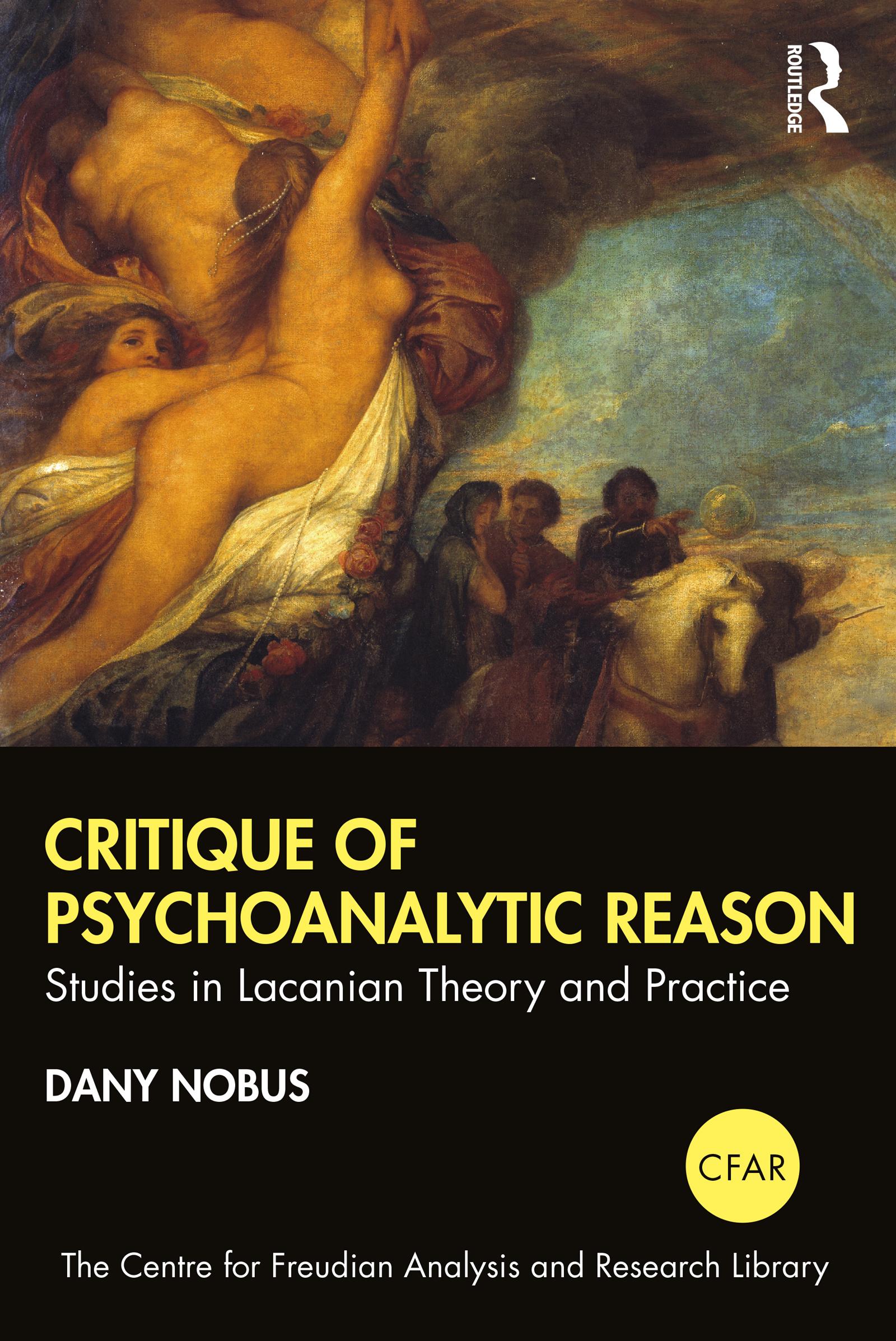
The highly arcane "wisdom" produced by the French psychoanalyst Jacques Lacan is either endlessly regurgitated and recited as holy writ by his numerous acolytes, or radically dismissed as unpalatable nonsense by his equally countless detractors. Contrary to these common, strictly antagonistic yet uniformly uncritical practices, this book offers a meticulous critique of some key theoretical and clinical aspects of Lacan’s expansive oeuvre, testing their consistency, examining their implications, and investigating their significance.
In nine interrelated chapters, the book highlights both the flaws and the strengths of Lacan’s ideas, in areas of investigation that are as crucial as they are contentious, within as well as outside psychoanalysis. Drawing on a vast range of source materials, including many unpublished archival documents, it teases out controversial issues such as money, organisational failure, and lighthearted, "gay" thinking, and it relies on the highest standards of scholarly excellence to develop its arguments. At the same time, the book does not presuppose any prior knowledge of Lacanian psychoanalysis on the part of the reader, but allows its readership to indulge in the joys of in-depth critical analysis, trans-disciplinary creative thinking, and persistent questioning.
This book will appeal to researchers and students alike in psychoanalytic studies and philosophy, as well as all those interested in French theory and the history of ideas.
Pay easily by card, Klarna, Apple Pay or Google Pay. Not happy? You always have a 14-day money-back guarantee. Read more in our terms. If you have any questions, email us at hello@memmo.org.
Memmo makes studying easier – wherever you are in the world. We bring your course books and smart study tools together in one place: summaries, quizzes, podcasts and flashcards. Plus Ted, your study buddy who answers anything you wonder. Over 50,000 students already study here – built to help you learn faster and stress less.