
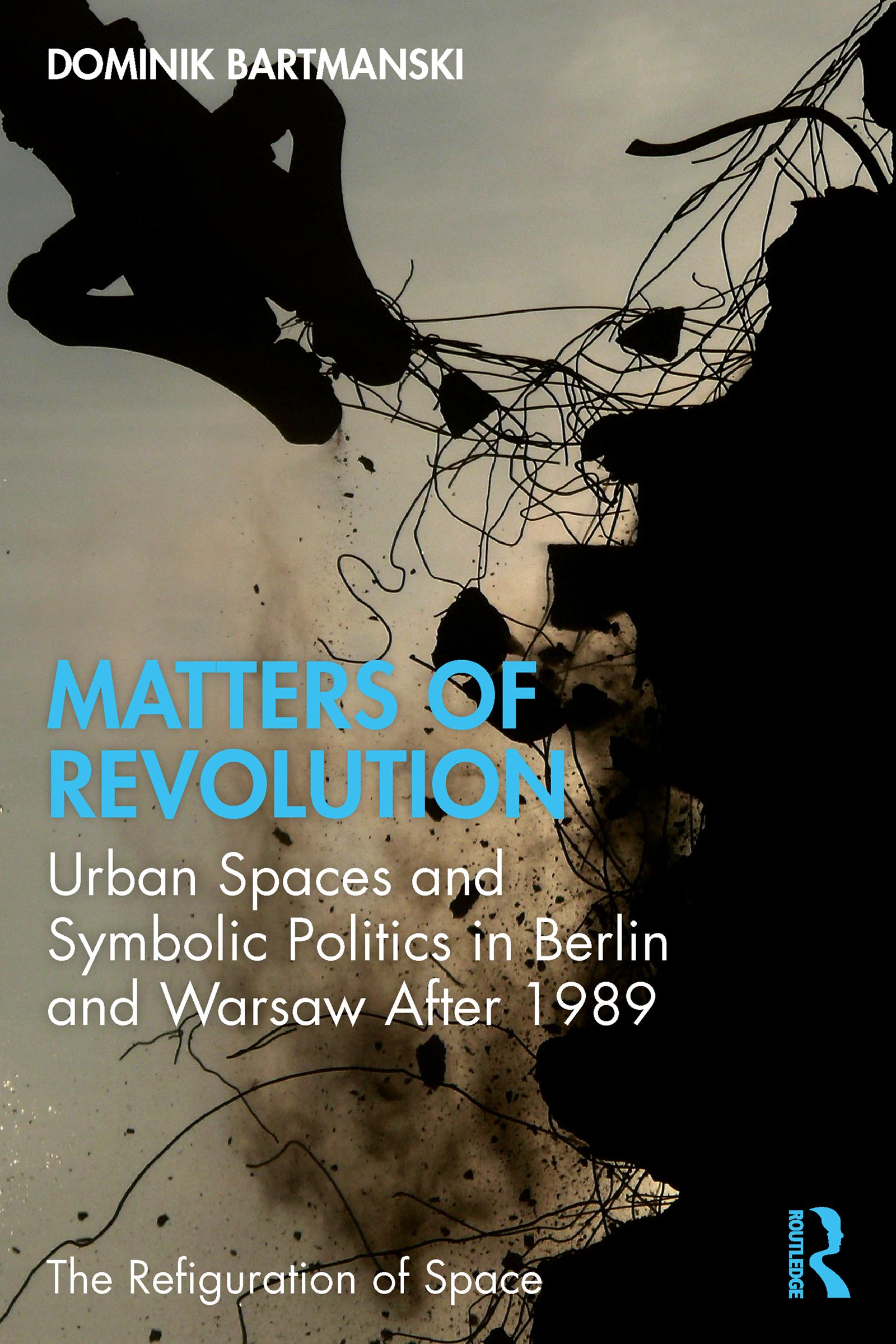
Symbols matter, and especially those present in public spaces, but how do they exert influence and maintain a hold over us? Why do such materialities count even in the intensely digitalized culture? This book considers the importance of urban symbols to political revolutions, examining manifold reasons for which social movements necessitate the affirmation or destruction of various material icons and public monuments. What explains variability of life cycles of certain classes of symbols? Why do some of them seem more potent than others? Why do people exhibit nostalgic attachments to some symbols of the controversial past and vehemently oppose others? What nourishes and threatens the social life of icons? Through comparative analyses of major iconic processes following the epochal revolution of 1989 in Berlin and Warsaw, the book argues that revolutionary action needs objects and sites which concretize the transformative redrawing of the symbolic boundaries between the "sacred" and "profane," good and evil, before and after, and "progressive" and "reactionary"—the symbolic shifts that every revolution implies in theory and formalizes in practice. Public symbols ensconced within actual urban spaces provide indispensable visibility to human values and social changes. As affective topographies that externalize collective feelings, their very presence and durability is meaningful, and so are the revolutionary rituals of preservation and destruction directed at those spaces. Far from being mere gestures or token signifiers, they have their own gravity with profound cultural ramifications. This volume will appeal to sociologists, anthropologists, geographers, and social theorists with interests in urban studies, public heritage, material culture, political revolution, and social movements.
Pay easily by card, Klarna, Apple Pay or Google Pay. Not happy? You always have a 14-day money-back guarantee. Read more in our terms. If you have any questions, email us at hello@memmo.org.
Memmo makes studying easier – wherever you are in the world. We bring your course books and smart study tools together in one place: summaries, quizzes, podcasts and flashcards. Plus Ted, your study buddy who answers anything you wonder. Over 50,000 students already study here – built to help you learn faster and stress less.