
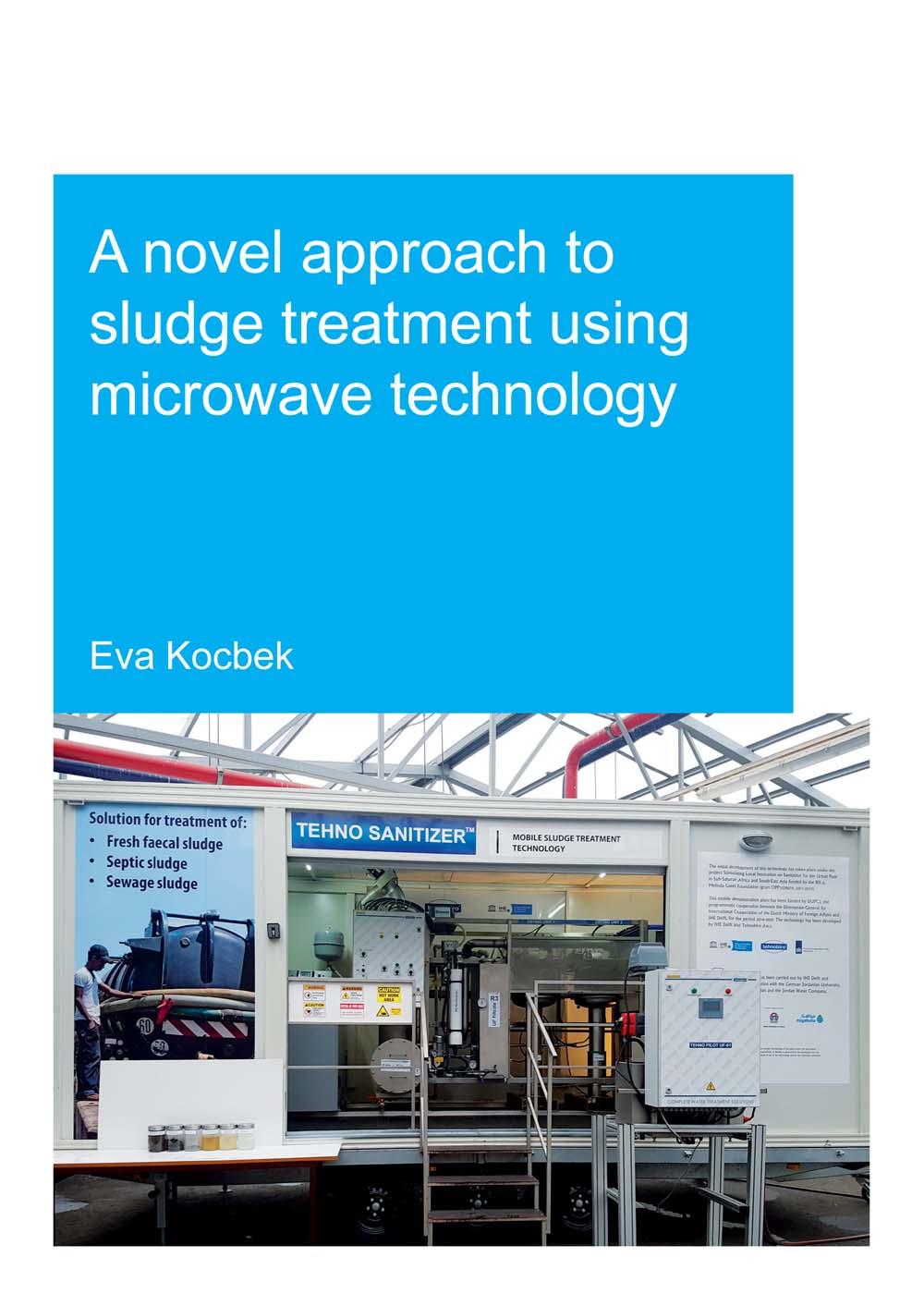
Sludge transportation costs can represent a large fraction of the expenses associated with municipal and faecal sludge management. These costs can be mitigated through the use of thermal drying approaches to reduce the sludge volume. This thesis described the application of a novel microwave-based pilot-scale unit as an alternative technology for the sanitisation and drying of sludge from municipal wastewater treatment plants and on-site sanitation facilities. The potential economic benefits of volumetric heating, moisture levelling, and increased liquid and vapour migration from the interior to the surface of the product underpins the increasing interest in the use of microwave technology during sludge treatment processes. According to the findings of this study, these factors lead to faster processing times, improved drying rates, and a reduced physical footprint. Furthermore, microwave technology operates as a standalone treatment unit. When coupled with mechanical dewatering techniques and membrane separation technology, it can increase the reliability of the technology employed in the treatment of sludge while recovering valuable resources through an agricultural or thermochemical application such as (co-) combustion. The results of this work demonstrate the strong feasibility of applying microwave-based technology within initiatives designed to protect the environment and safeguard public health.
Pay easily by card, Klarna, Apple Pay or Google Pay. Not happy? You always have a 14-day money-back guarantee. Read more in our terms. If you have any questions, email us at hello@memmo.org.
Memmo makes studying easier – wherever you are in the world. We bring your course books and smart study tools together in one place: summaries, quizzes, podcasts and flashcards. Plus Ted, your study buddy who answers anything you wonder. Over 50,000 students already study here – built to help you learn faster and stress less.