
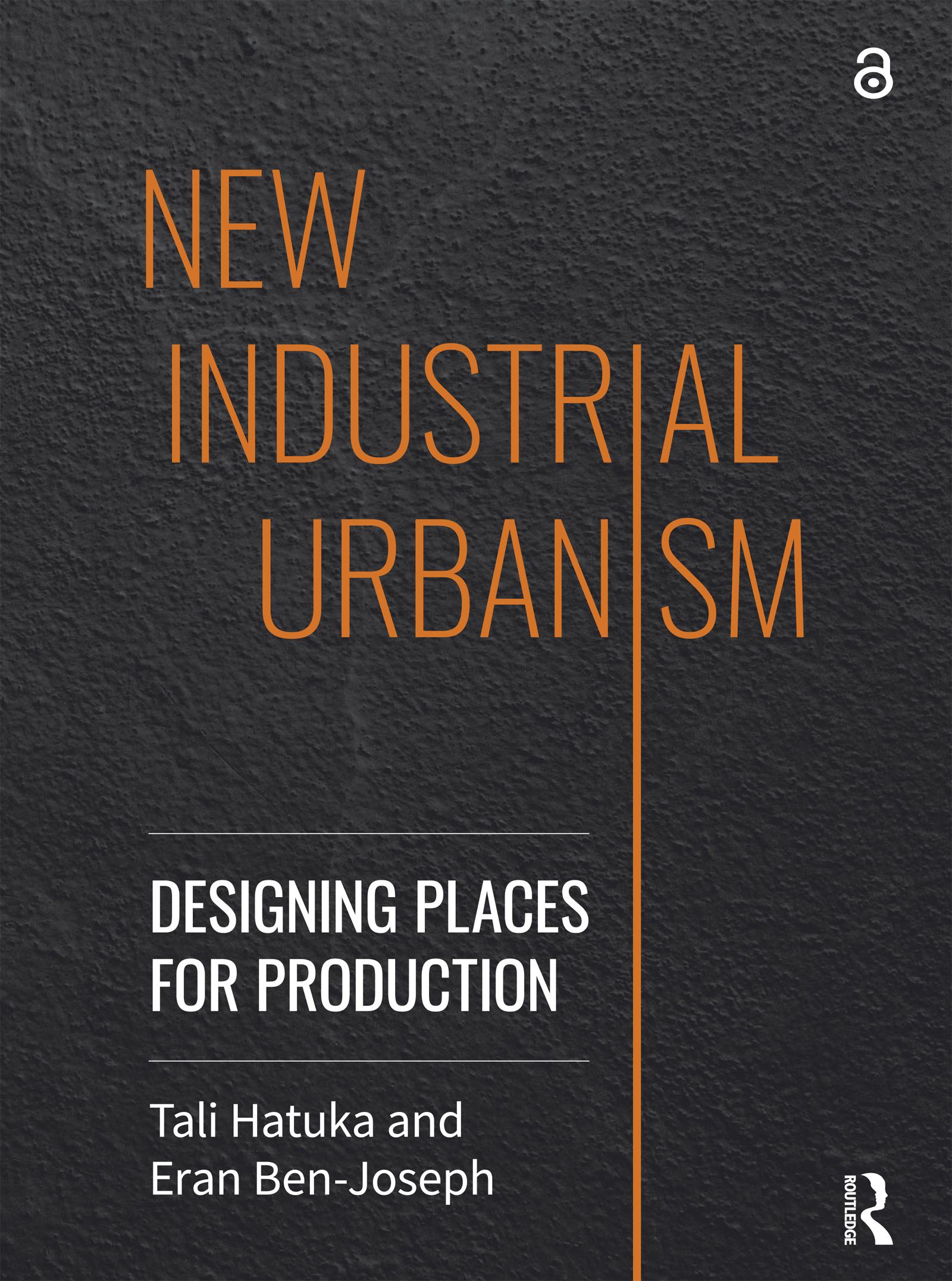
Since the Industrial Revolution, cities and industry have grown together; towns and metropolitan regions have evolved around factories and expanding industries. New Industrial Urbanism explores the evolving and future relationships between cities and places of production, focusing on the spatial implications and physical design of integrating contemporary manufacturing into the city. The book examines recent developments that have led to dramatic shifts in the manufacturing sector – from large-scale mass production methods to small-scale distributed systems; from polluting and consumptive production methods to a cleaner and more sustainable process; from broad demand for unskilled labor to a growing need for a more educated and specialized workforce – to show how cities see new investment and increased employment opportunities. Looking ahead to the quest to make cities more competitive and resilient, New Industrial Urbanism provides lessons from cases around the world and suggests adopting New Industrial Urbanism as an action framework that reconnects what has been separated: people, places, and production. Moving the conversation beyond the reflexively-negative characterizations of industry, more than two centuries after the start of the Industrial Revolution, this book calls to re-consider the ways in which industry creates places, sustains jobs, and supports environmental sustainability in our cities.
This book is available as Open Acess through https://www.taylorfrancis.com/.
Pay easily by card, Klarna, Apple Pay or Google Pay. Not happy? You always have a 14-day money-back guarantee. Read more in our terms. If you have any questions, email us at hello@memmo.org.
Memmo makes studying easier – wherever you are in the world. We bring your course books and smart study tools together in one place: summaries, quizzes, podcasts and flashcards. Plus Ted, your study buddy who answers anything you wonder. Over 75,000 students already study here – built to help you learn faster and stress less.