
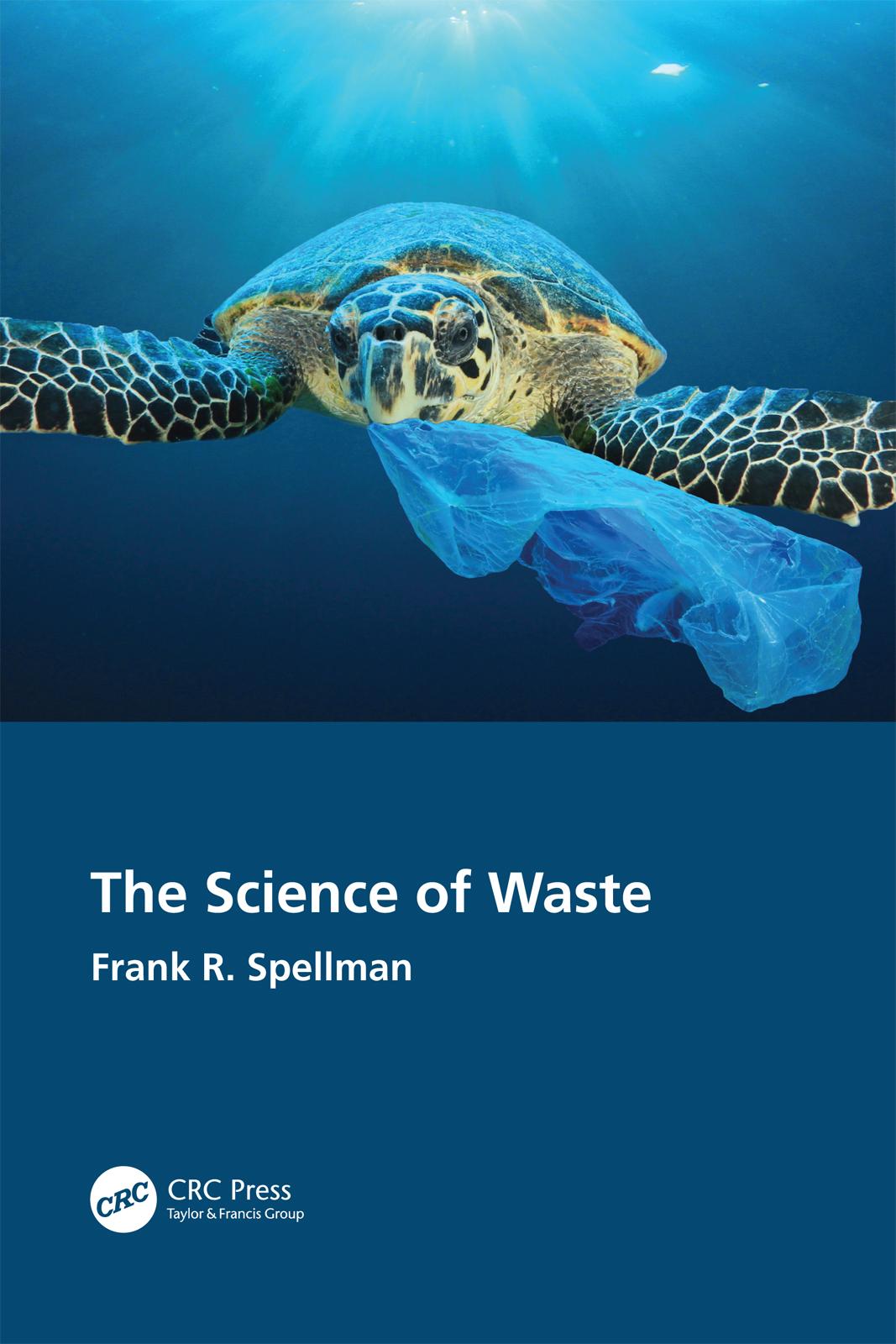
Waste can be defined as something no longer wanted, something destroyed, broken, or damaged beyond repair and therefore disposed of or simply thrown away because it is no longer functional, needed, or wanted. However, the focus of this book turns to the question: is waste always really a waste? Stated differently, waste is not a waste if it can be recycled in some form or the other. This book examines all types of waste and their impacts, and discusses the potential ways to mitigate them through recycling and reuse strategies.
Features:
- Addresses agricultural, biomedical, chemical, construction, hazardous, human, municipal solid waste, and more.
- Explains the fundamentals for waste recycling and reuse.
- Examines the current state of ocean pollution as well as the latest international regulations.
- Covers the life cycles of consumer electronic products, and their related metals and minerals, which are increasingly a major source of "E-Waste"
The Science of Waste is intended to be used by environmental scientists and engineers, public health officials, legal professionals, students, and instructors interested in waste, as well as the management and reuse thereof.
Pay easily by card, Klarna, Apple Pay or Google Pay. Not happy? You always have a 14-day money-back guarantee. Read more in our terms. If you have any questions, email us at hello@memmo.org.
Memmo makes studying easier – wherever you are in the world. We bring your course books and smart study tools together in one place: summaries, quizzes, podcasts and flashcards. Plus Ted, your study buddy who answers anything you wonder. Over 50,000 students already study here – built to help you learn faster and stress less.