
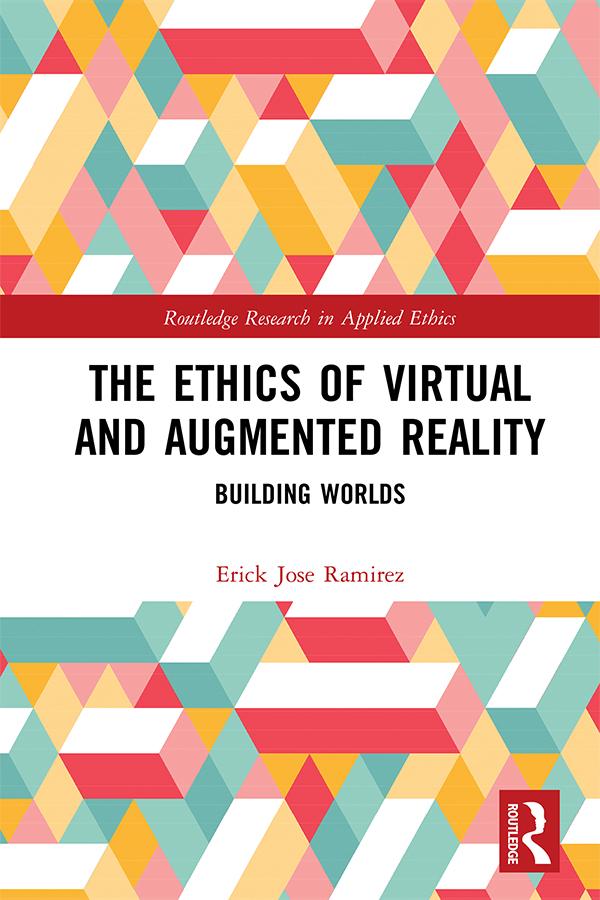
This book offers new ways of thinking about and assessing the impact of virtual reality on its users. It argues that we must go beyond traditional psychological concepts of VR "presence" to better understand the many varieties of virtual experiences.
The author provides compelling evidence that VR simulations are capable of producing "virtually real" experiences in people. He also provides a framework for understanding when and how simulations induce virtually real experiences. From these insights, the book shows that virtually real experiences are responsible for several unaddressed ethical issues in VR research and design. Experimental philosophers, moral psychologists, and institutional review boards must become sensitive to the ethical issues involved between designing "realistic" virtual dilemmas, for good data collection, and avoiding virtually real trauma. Ethicists and game designers must do more to ensure that their simulations don’t inculcate harmful character traits. Virtually real experiences, the author claims, can make virtual relationships meaningful, productive, and conducive to welfare but they can also be used to systematically mislead and manipulate users about the nature of their experiences.
The Ethics of Virtual and Augmented Reality will appeal to philosophers working in applied ethics, philosophy of technology, and aesthetics, as well as researchers and students interested in game studies and game design.
Pay easily by card, Klarna, Apple Pay or Google Pay. Not happy? You always have a 14-day money-back guarantee. Read more in our terms. If you have any questions, email us at hello@memmo.org.
Memmo makes studying easier – wherever you are in the world. We bring your course books and smart study tools together in one place: summaries, quizzes, podcasts and flashcards. Plus Ted, your study buddy who answers anything you wonder. Over 50,000 students already study here – built to help you learn faster and stress less.