
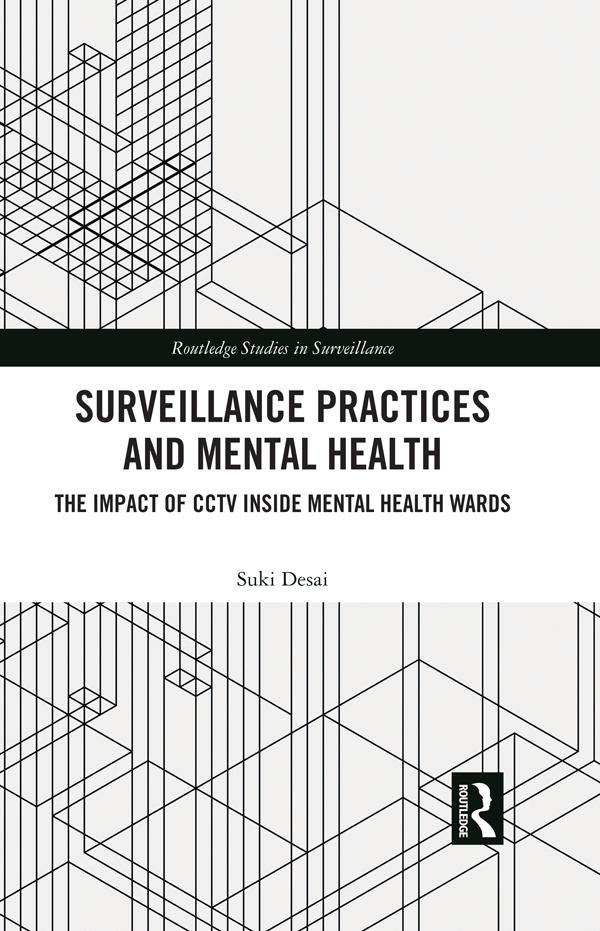
This book examines how CCTV cameras expose the patient body inside the mental health ward, especially the relationship between staff and patients as surveillance subjects.
A key aspect of the book is that existing surveillance literature and mental health literature have largely ignored the influence of CCTV cameras on patient and staff experiences inside mental health wards. Research findings for this book suggest that camera use inside mental health wards is based on a perception of the violent nature of the mental health patient. This perception not only influences ethical mental health practice inside the ward but also impacts how patients experience the ward.
It is not known how and why CCTV camera use has expanded to its uses inside mental health wards. These include not only communal areas of the ward but also patient bedrooms. The research, therefore, examines how and why camera technology was introduced inside three Psychiatric Intensive Care Mental Health Units located in England, UK. Aimed at both undergraduate and postgraduate students, this book will appeal to sociology, mental health, and surveillance studies students, as well as practitioners in mental health nursing, caseworkers and social caregivers.
Pay easily by card, Klarna, Apple Pay or Google Pay. Not happy? You always have a 14-day money-back guarantee. Read more in our terms. If you have any questions, email us at hello@memmo.org.
Memmo makes studying easier – wherever you are in the world. We bring your course books and smart study tools together in one place: summaries, quizzes, podcasts and flashcards. Plus Ted, your study buddy who answers anything you wonder. Over 50,000 students already study here – built to help you learn faster and stress less.