
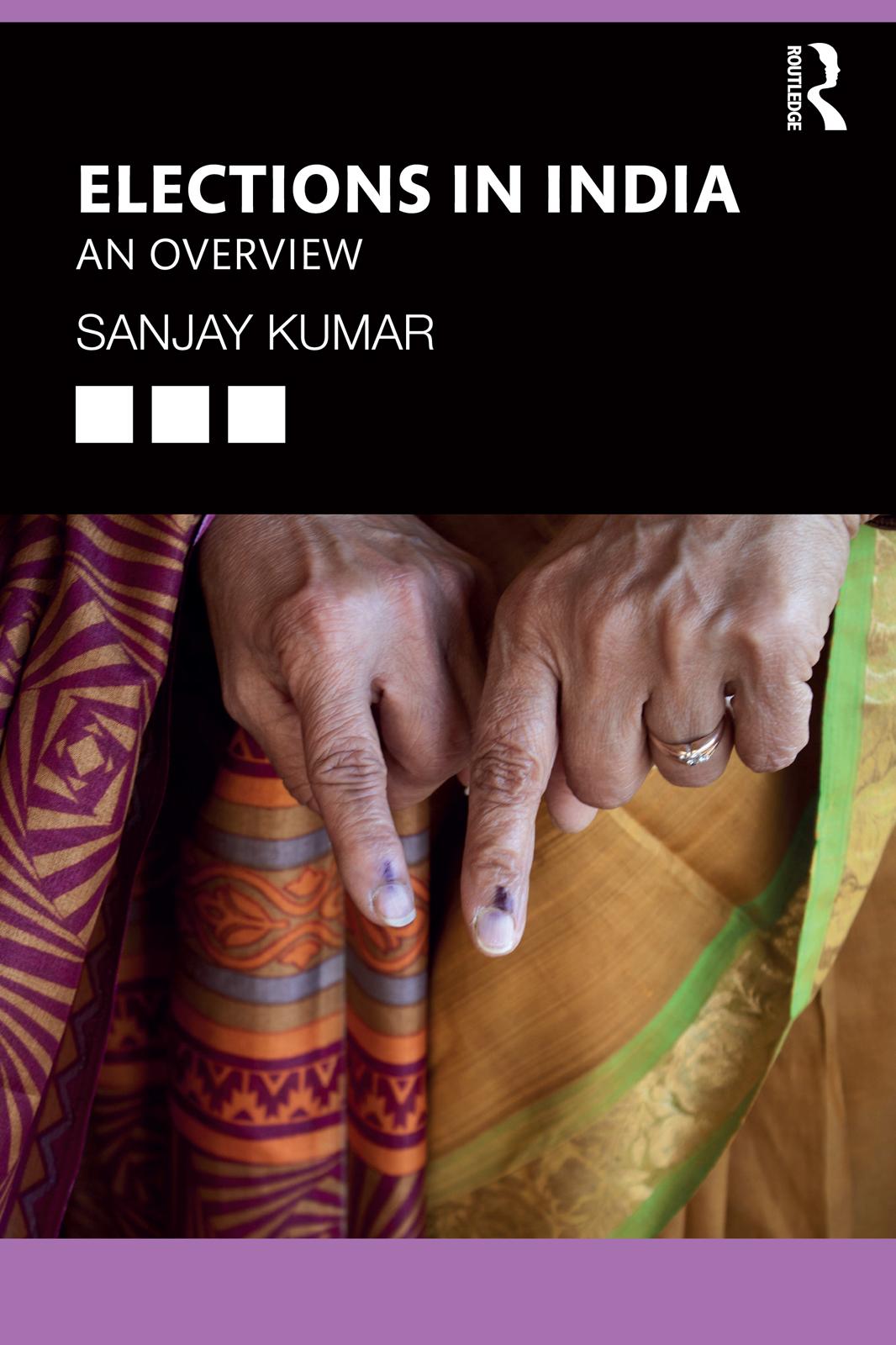
This book looks at the patterns and trends of participation in Indian elections since 1952 – the first elections held in independent India. It engages with debates around the nature of the multi-party electoral politics in India and its impact on the voting behaviour of Indian voters.
The book uses extensive empirical data from the state and national elections to analyze the history and evolution of the country’s electoral systems as well as the challenges and safeguards for conducting fair elections in the world’s largest democracy. The author explores the trends in turnout in regional and national elections and its relationship with electoral outcomes. He analyzes electoral patterns over the last seven decades as well as patterns of participation of marginalized groups, the younger population, and the narrowing gap of women’s electoral participation. The book discusses the role of money, the criminalization of electoral politics, and its influence on Indian elections. It also focuses on the issue of irregular delimitation of electoral constituencies and its implication on political representation.
Topical and comprehensive, this book will be an essential read for scholars and researchers of political studies, political sociology, public administration and governance, and South Asian studies. It will also be useful for journalists and think tanks interested in India’s electoral processes and debates. It could serve as a guidebook as well for those interested in the nitty-gritty of Indian elections.
Pay easily by card, Klarna, Apple Pay or Google Pay. Not happy? You always have a 14-day money-back guarantee. Read more in our terms. If you have any questions, email us at hello@memmo.org.
Memmo makes studying easier – wherever you are in the world. We bring your course books and smart study tools together in one place: summaries, quizzes, podcasts and flashcards. Plus Ted, your study buddy who answers anything you wonder. Over 50,000 students already study here – built to help you learn faster and stress less.