
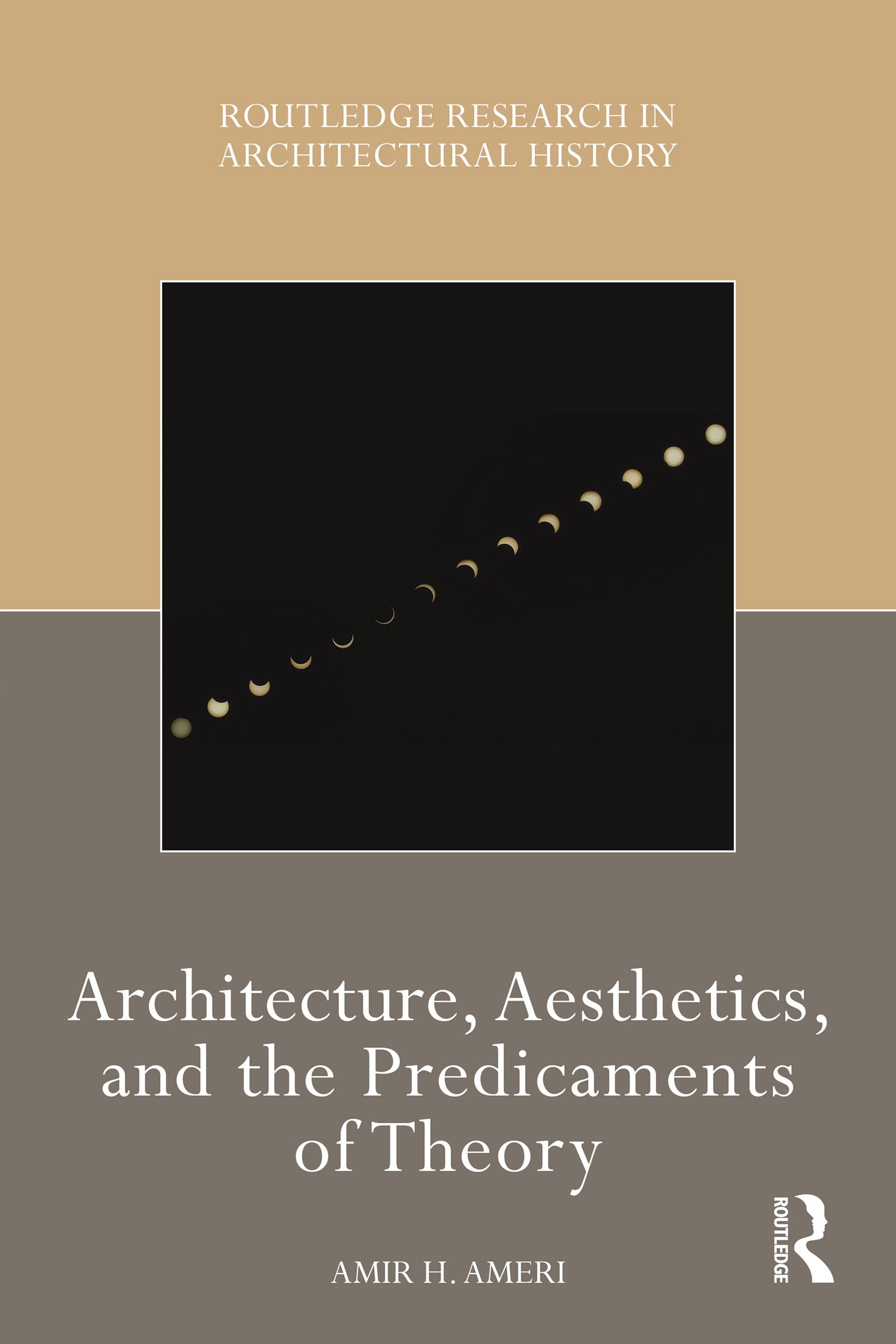
Architecture, Aesthetics, and the Predicaments of Theory offers a critical analysis of the methodological constants and shared critical strategies in the history of theoretical discourse on Western architecture. Central to these constants is the persistent role of aesthetics as a critical tool for the delimitation of architecture. This book analyzes the unceasing critical role aesthetics is given to play in the discourse of architecture.
The book offers a close and critical reading of three seminal texts from three different periods in the history of theoretical discourse on Western architecture—the Renaissance, the Enlightenment, and 19th-century Romanticism. The first text is Leone Battista Alberti's Ten Books on Architecture of 1452, the next Marc-Antoine Laugier’s An Essay on Architecture of 1753, and last, John Ruskin’s The Seven Lamps of Architecture of 1849. Additional influential texts from, among others, the 20th and 21st centuries are engaged with along the way to locate and contextualize the arguments within the broader discursive tradition of Western architecture.
The book will interest scholars and students of architecture, architectural history and theory, as well as scholars and students of cultural studies, aesthetic philosophy, art history, literary criticism, and related disciplines.
Pay easily by card, Klarna, Apple Pay or Google Pay. Not happy? You always have a 14-day money-back guarantee. Read more in our terms. If you have any questions, email us at hello@memmo.org.
Memmo makes studying easier – wherever you are in the world. We bring your course books and smart study tools together in one place: summaries, quizzes, podcasts and flashcards. Plus Ted, your study buddy who answers anything you wonder. Over 50,000 students already study here – built to help you learn faster and stress less.