
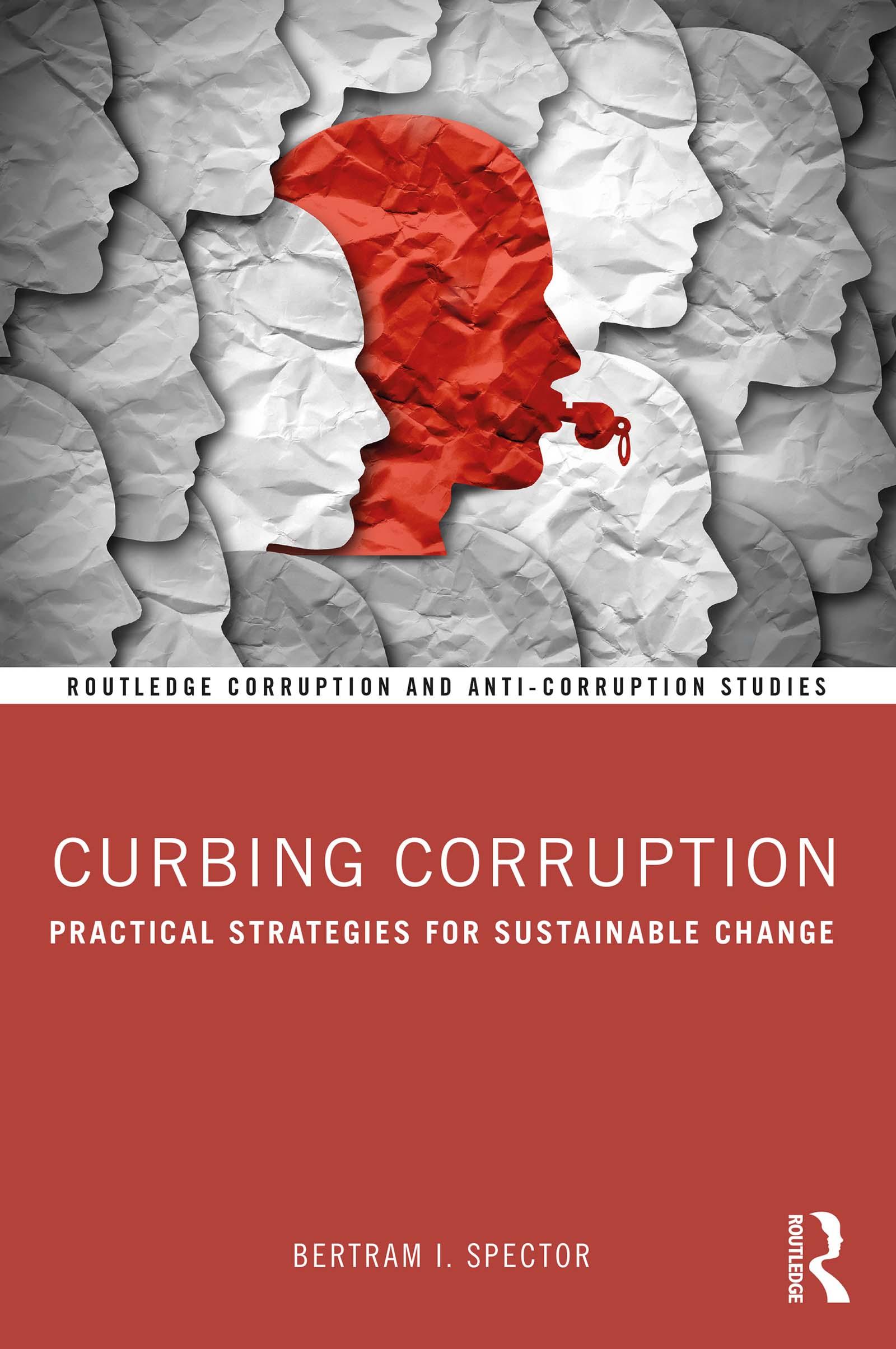
Many anti-corruption efforts have had only a minimal effect on curbing the problem of corruption. This book explains why that is, and shows readers what works in the real world in the fight against corruption, and why.
Counter-corruption initiatives often focus on the legal, institutional, and contextual factors that facilitate corrupt behavior, but these have had only nominal impacts, because most of these reforms can be circumvented by government officials, powerful citizens, and business people who are relentless in their quest for self-interest. This book argues that instead, we should target the key individual and group drivers of corrupt behavior and, through them, promote sustainable behavioral change. Drawing on over 25 years of practical experience planning, designing, and implementing anti-corruption programs in over 40 countries, as well as a wealth of insights from social psychological, ethical, and negotiation research, this book identifies innovative tools that target these core human motivators of corruption, with descriptions of pilot tests that show how they can work in practice.
Anti-corruption is again becoming a priority issue, prompted by the emergence of more authoritarian regimes, and the public scrutiny of government responses to the COVID-19 pandemic. Straddling theory and practice, this book is the perfect guide to what works and what doesn’t, and will be valuable for policymakers, NGOs, development practitioners, and corruption studies students and researchers.
Pay easily by card, Klarna, Apple Pay or Google Pay. Not happy? You always have a 14-day money-back guarantee. Read more in our terms. If you have any questions, email us at hello@memmo.org.
Memmo makes studying easier – wherever you are in the world. We bring your course books and smart study tools together in one place: summaries, quizzes, podcasts and flashcards. Plus Ted, your study buddy who answers anything you wonder. Over 50,000 students already study here – built to help you learn faster and stress less.