
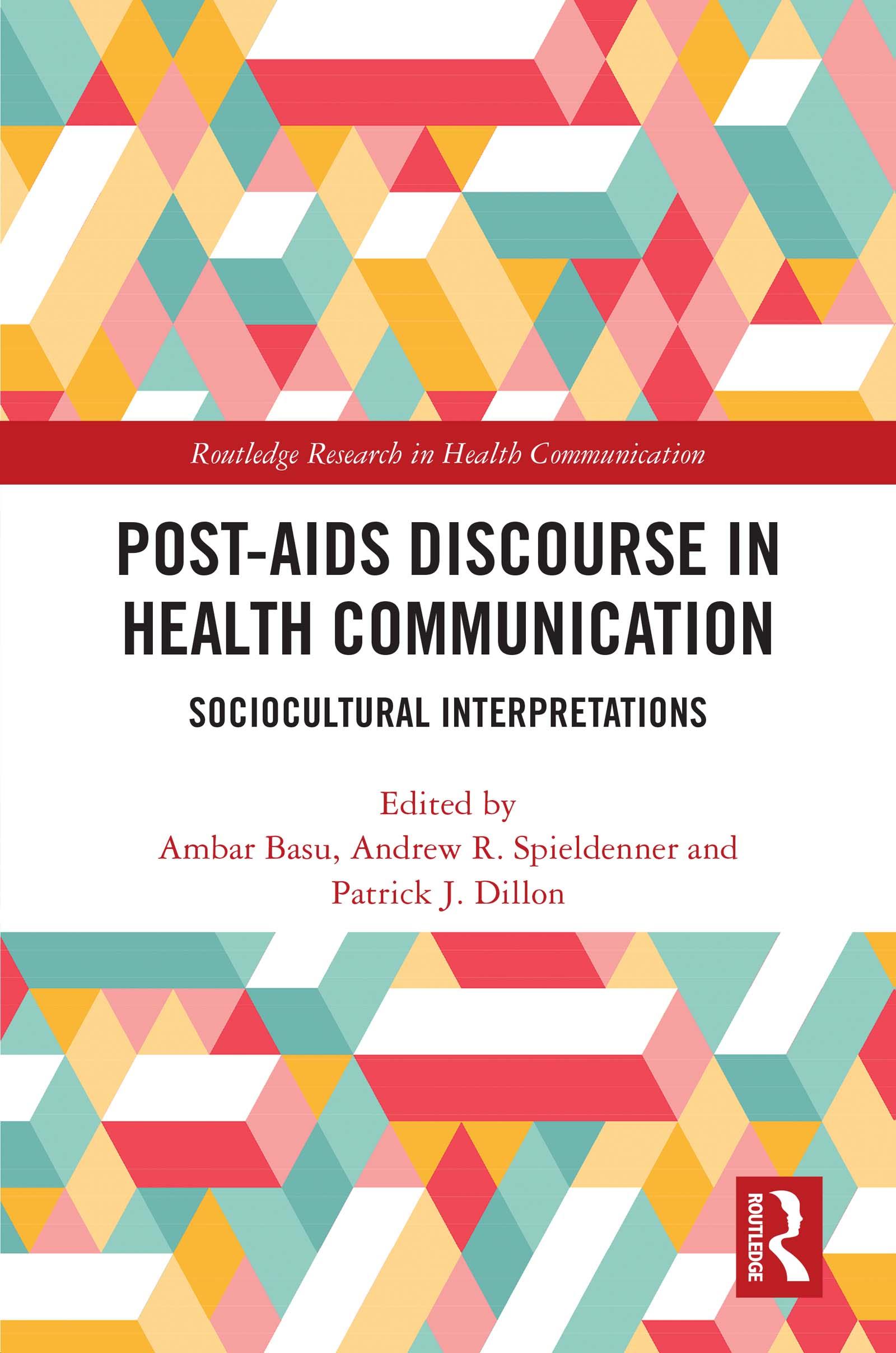
This book examines the discourse of a "post-AIDS" culture, and the medical-discursive shift from crisis and death to survival and living. Contributions from a diverse group of international scholars interrogate and engage with the cultural, social, political, scientific, historical, global, and local consumptions of the term "post-AIDS" from the perspective of meaning-making on health, illness, and well-being.
The chapters critique and connect meanings of "post-AIDS" to topics such as neoliberalism; race, gender, and advocacy; disclosure; relationships and intimacy; stigma and structural violence; family and community; migration; work; survival; normativity; NGOs, transnational organizations; aging and end-of-life care; the politics of ART and PrEP; mental illness; campaigns; social media; and religion. Using a range of methodological tools, the scholarship herein asks how "post-AIDS" or the "End of the Epidemic" is communicated and made sense of in everyday discourse, what current meanings are circulated and consumed on and around HIV and AIDS, and provides thorough commentary and critique of a "post-AIDS" time.
This book will be an essential read for scholars and students of health communication, sociology of health and illness, medical humanities, political science, and medical anthropology, as well as for policy makers and activists.
Pay easily by card, Klarna, Apple Pay or Google Pay. Not happy? You always have a 14-day money-back guarantee. Read more in our terms. If you have any questions, email us at hello@memmo.org.
Memmo makes studying easier – wherever you are in the world. We bring your course books and smart study tools together in one place: summaries, quizzes, podcasts and flashcards. Plus Ted, your study buddy who answers anything you wonder. Over 75,000 students already study here – built to help you learn faster and stress less.