
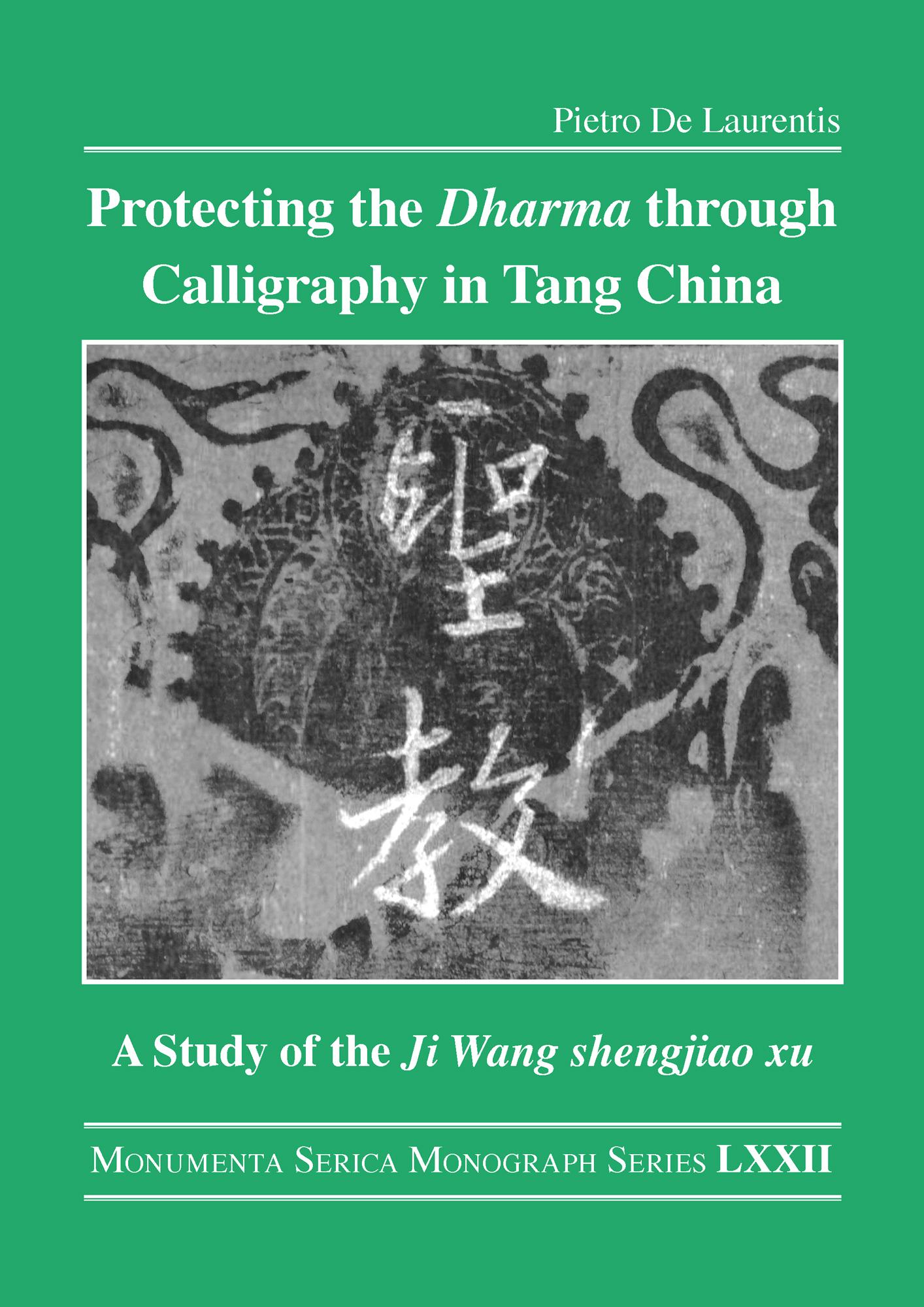
This is a study of the earliest and finest collated inscription in the history of Chinese calligraphy, the Ji Wang shengjiao xu 集王聖教序 (Preface to the Sacred Teaching Scriptures Translated by Xuanzang in Wang Xizhi’s Collated Characters), which was erected on January 1, 673. The stele records the two texts written by the Tang emperors Taizong (599–649) and Gaozong (628–683) in honor of the monk Xuanzang (d. 664) and the Buddhist scripture Xin jing (Heart Sutra), collated in the semi-cursive characters of the great master of Chinese calligraphy, Wang Xizhi (303–361). It is thus a Buddhist inscription that combines Buddhist authority, political power, and artistic charm in one single monument. The present book reconstructs the multifaceted context in which the stele was devised, aiming at highlighting the specific role calligraphy played in the propagation and protection of Buddhism in medieval China.
Pay easily by card, Klarna, Apple Pay or Google Pay. Not happy? You always have a 14-day money-back guarantee. Read more in our terms. If you have any questions, email us at hello@memmo.org.
Memmo makes studying easier – wherever you are in the world. We bring your course books and smart study tools together in one place: summaries, quizzes, podcasts and flashcards. Plus Ted, your study buddy who answers anything you wonder. Over 50,000 students already study here – built to help you learn faster and stress less.