
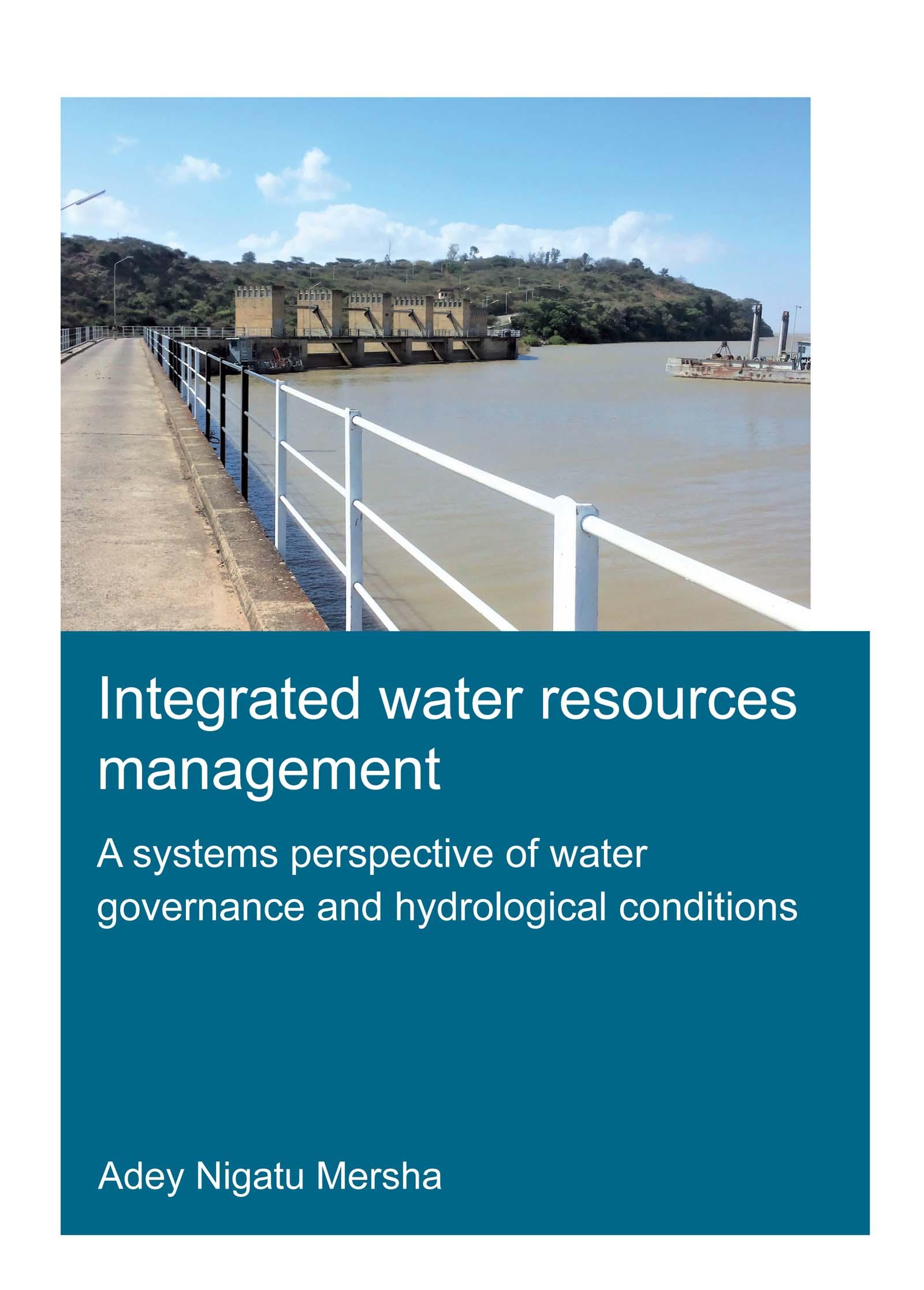
This thesis presents analysis of the status of IWRM implementation along with the challenges with regards to policy and institutional measures as well as the required basin information and management instruments. The research entailed a detailed analysis of water resources systems based on a case study from the Awash River Basin in Ethiopia, covering the historical and present state of the challenges and gaps in policies, institutional arrangements and management instruments. The status quo of practical water management, implications of plausible management alternatives in terms of their impact to future water availability, demand fulfilment, patterns of use, and sustainability of the environment were examined. Moreover, the interlinkages and dynamics between key water dependent resources sectors, broadly categorized into water, energy, food, and ecosystems (WEFE) was explored to identify key tradeoffs and synergies. This was deliberated as to improving the synchronization of sectoral plans and resources management programs, thereby fast-tracking the coordination process in IWRM. Overall, the research provides a clearer understanding of the system-wide problems, structural challenges and possible future consequences regarding the management and sustainability of the entire water resource system. Ultimately the purpose is to set in motion new strategies and mechanisms to improve the implementation of the currently applied IWRM framework in the context of the SDGs.
Pay easily by card, Klarna, Apple Pay or Google Pay. Not happy? You always have a 14-day money-back guarantee. Read more in our terms. If you have any questions, email us at hello@memmo.org.
Memmo makes studying easier – wherever you are in the world. We bring your course books and smart study tools together in one place: summaries, quizzes, podcasts and flashcards. Plus Ted, your study buddy who answers anything you wonder. Over 50,000 students already study here – built to help you learn faster and stress less.