
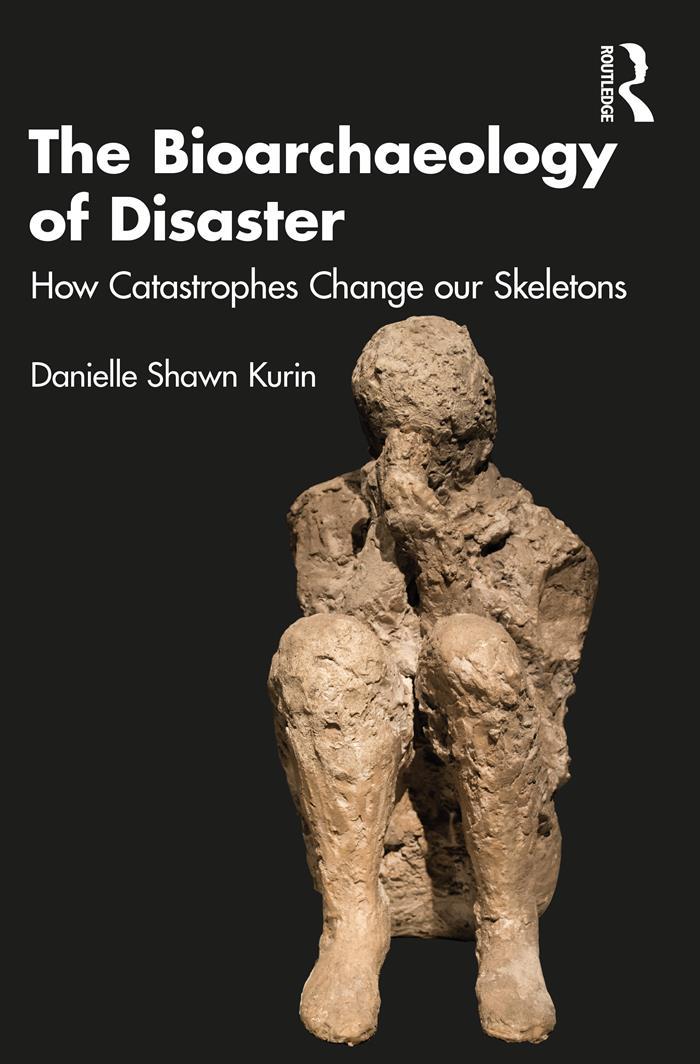
The Bioarchaeology of Disaster examines two dozen disasters occurring around the world over the past 2000 years, ranging from natural and environmental disasters to human conflict and warfare, from epidemics to those of social marginalization—all from a bioarchaeological and forensic anthropological perspective.
Each case study provides the social, cultural, historical and ecological context of the disaster and then analyzes evidence of human and related remains in order to better understand the identities of victims, the means, processes, and extent of deaths and injuries. The methods used by specialists to interpret evidence and disagreements among experts are also addressed. It will be helpful in understanding the circumstances of a range of disasters and the multidisciplinary ways in which bioarchaeologists employ empirical methods and analytic frameworks to interpret their impacts and consequences.
The book is intended for those in the social and biological sciences, particularly archaeology, forensics, history and ethnography. It will also be of interest to those in medical history and epidemiology, ecological studies, and those involved in disaster response, law enforcement and human rights work.
Pay easily by card, Klarna, Apple Pay or Google Pay. Not happy? You always have a 14-day money-back guarantee. Read more in our terms. If you have any questions, email us at hello@memmo.org.
Memmo makes studying easier – wherever you are in the world. We bring your course books and smart study tools together in one place: summaries, quizzes, podcasts and flashcards. Plus Ted, your study buddy who answers anything you wonder. Over 75,000 students already study here – built to help you learn faster and stress less.