
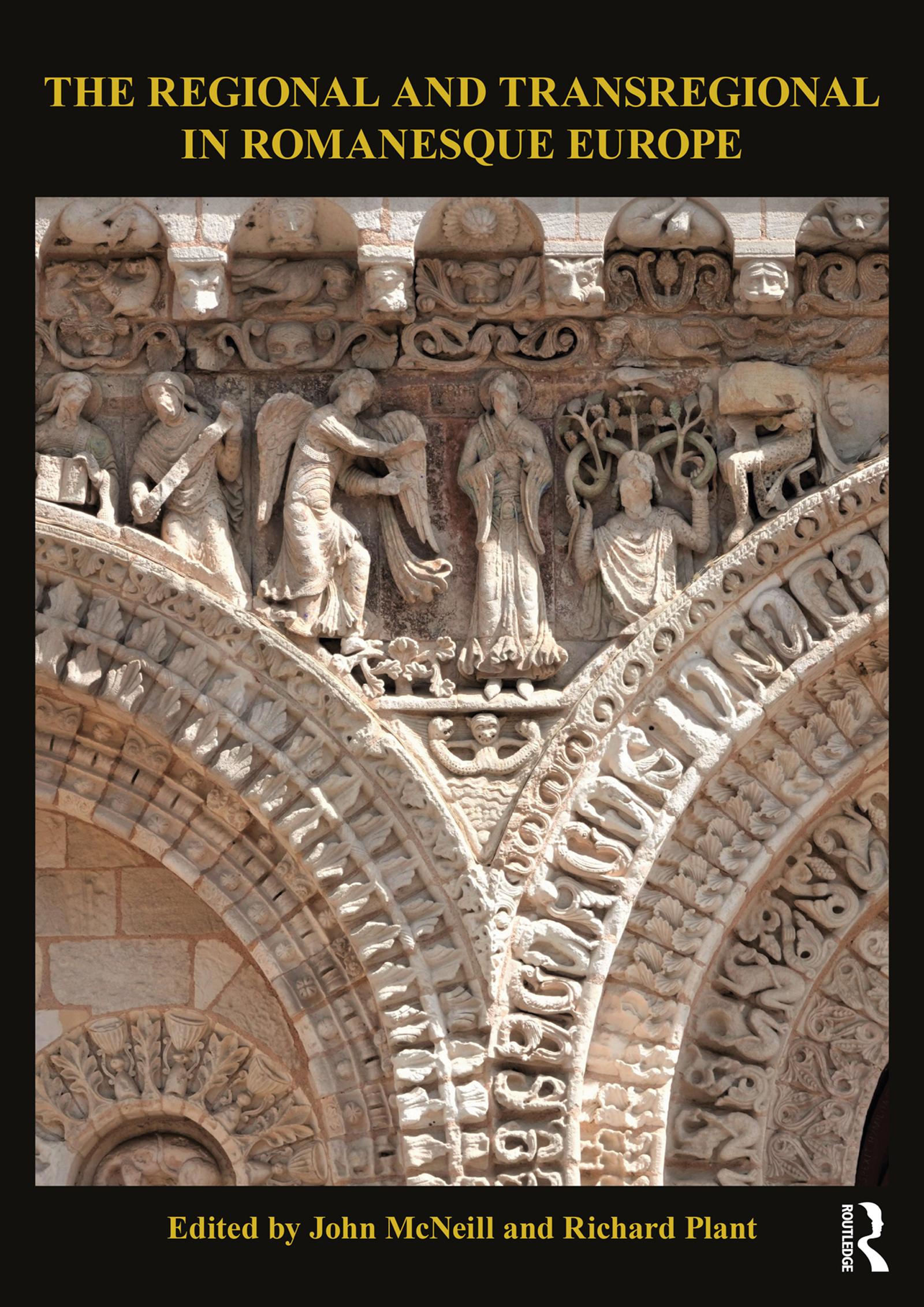
The Regional and Transregional in Romanesque Europe considers the historiography and usefulness of regional categories and in so doing explores the strength, durability, mutability, and geographical scope of regional and transregional phenomena in the Romanesque period.
This book addresses the complex question of the significance of regions in the creation of Romanesque, particularly in relation to transregional and pan-European artistic styles and approaches. The categorization of Romanesque by region was a cornerstone of 19th- and 20th-century scholarship, albeit one vulnerable to the application of anachronistic concepts of regional identity. Individual chapters explore the generation and reception of forms, the conditions that give rise to the development of transregional styles and the agencies that cut across territorial boundaries. There are studies of regional styles in Aquitaine, Castile, Sicily, Hungary, and Scandinavia; workshops in Worms and the Welsh Marches; the transregional nature of liturgical furnishings; the cultural geography of the new monastic orders; metalworking in Hildesheim and the valley of the Meuse; and the links which connect Piemonte with Conques.
The Regional and Transregional in Romanesque Europe offers a new vision of regions in the creation of Romanesque relevant to archaeologists, art historians, and historians alike.
Pay easily by card, Klarna, Apple Pay or Google Pay. Not happy? You always have a 14-day money-back guarantee. Read more in our terms. If you have any questions, email us at hello@memmo.org.
Memmo makes studying easier – wherever you are in the world. We bring your course books and smart study tools together in one place: summaries, quizzes, podcasts and flashcards. Plus Ted, your study buddy who answers anything you wonder. Over 50,000 students already study here – built to help you learn faster and stress less.