
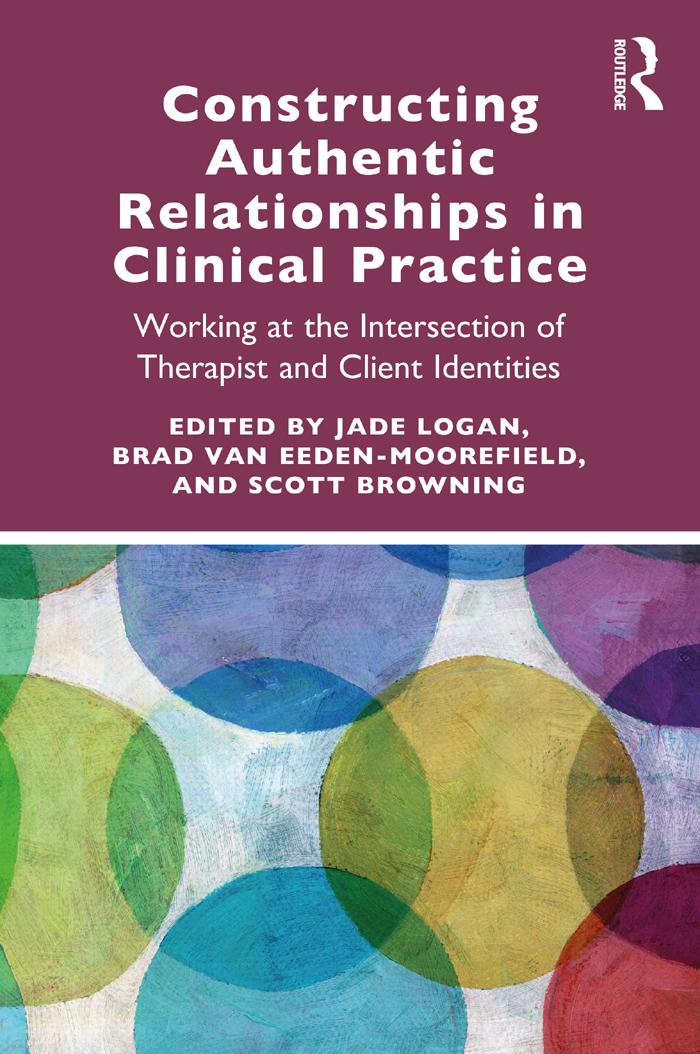
This essential text explores the intersectionality of the self in therapeutic practice, bringing together theoretical foundations and practical implications to provide clear guidance for students and practitioners.
Bringing together a collection of insightful and experienced clinicians, this book examines the ways in which intersectionality influences all phases of clinical and supervisory work, from outreach, assessment, and through to termination. Integrating research with clinical practice, chapters not only examine the theoretical, intersectional location of the self for the therapist, client, or supervisee, but they also consider how this social identity effects the therapeutic process and, crucially, work with clients. The book includes first-hand accounts, case studies, and reflections to demonstrate how interactions are influenced by gender, race, and sexuality, offering practical ideas about how to work intentionally and ethically with clients.
Engaging, informative, and practical, this book is essential reading for students, supervisors, family, marriage, and couple therapists, and clinical social workers who want to work confidently with a range of clients, as well as clinical professionals interested in the role of intersectionality in their work.
Pay easily by card, Klarna, Apple Pay or Google Pay. Not happy? You always have a 14-day money-back guarantee. Read more in our terms. If you have any questions, email us at hello@memmo.org.
Memmo makes studying easier – wherever you are in the world. We bring your course books and smart study tools together in one place: summaries, quizzes, podcasts and flashcards. Plus Ted, your study buddy who answers anything you wonder. Over 50,000 students already study here – built to help you learn faster and stress less.