
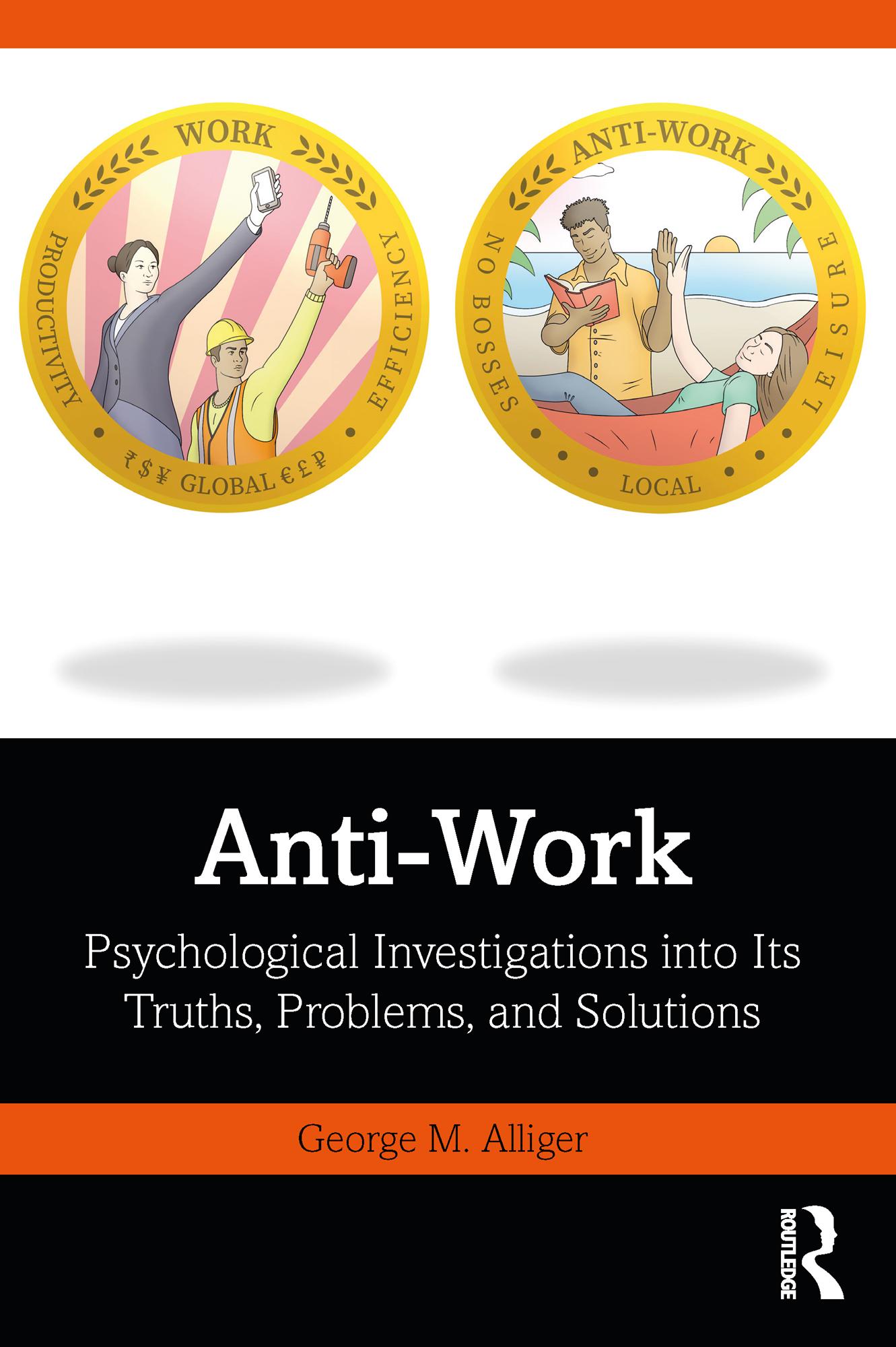
The first book to delineate anti-work in a systematic fashion by identifying and compiling positions from a wide spread of literature, Anti- Work: Psychological Investigations into Its Truths, Problems, and Solutions defines the tenets of anti-work, reviews them from a psychological and historical point of view, and offers solutions to aid the average person in his or her struggle with work.
Anti-work thinkers have vigorously argued that work entails a submission of the human will that is constraining and even ultimately damaging. The author has refined 18 tenets of anti-work from the literature, which range from the suggestion that all jobs are bad, to the remarkable ability of modern capitalist enterprises to build "job engagement" among workers, to the proposal of alternative work- deemphasized worlds. Anti-Work begins with a discussion of these tenets, in particular the submission of the will required by work, followed by an overview of topics such as worker resistance, merit, and precarious work. The second part of the book unfolds various possible human responses to the work problem, such as detachment, thinking while working, and right livelihood. In the third part, several lessons about anti-work are drawn from parables, koans, and tales. Discussions of cults and work, working from home, unions, and cooperatives, as well as lessons from Buddhism, Hinduism, and Christianity, offer additional perspectives on the topic of work and provide guidance on developing a helpful attitude toward it.
By highlighting the tensions that exist between anti-work and pro-work positions, the book provides new ways to view and plan life, and will give thought- provoking and valuable insights for students, instructors, and practitioners in industrial and organizational psychology and related fields, as well as all people who have worked, will work, have never worked, or will never work.
Pay easily by card, Klarna, Apple Pay or Google Pay. Not happy? You always have a 14-day money-back guarantee. Read more in our terms. If you have any questions, email us at hello@memmo.org.
Memmo makes studying easier – wherever you are in the world. We bring your course books and smart study tools together in one place: summaries, quizzes, podcasts and flashcards. Plus Ted, your study buddy who answers anything you wonder. Over 50,000 students already study here – built to help you learn faster and stress less.