
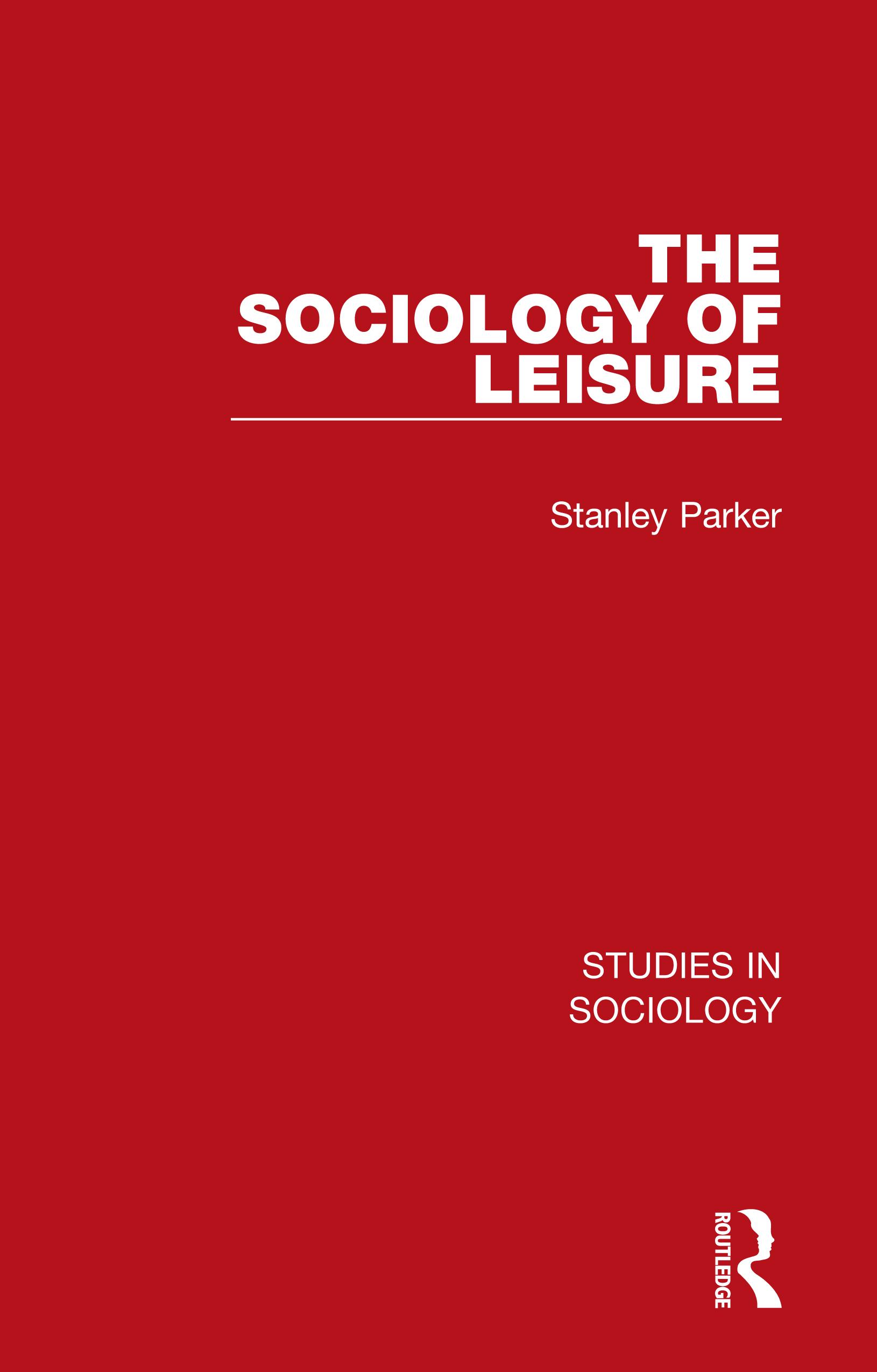
In the 1970s the subject of leisure was attracting interest among both social scientists and people concerned with developing recreation policies. A relative newcomer to the sociological scene at the time, leisure was beginning to compete in research effort and theory-building with the more established fields of sociology. As well as making an academic contribution, this book, originally published in 1976, provided practitioners (such as planners, administrators and managers) with an up-to-date and comprehensive review of social research finding over the whole field of leisure.
Part One deals with the cultural context in which leisure, as we knew it, had developed, and includes the history of leisure in industrial society and the variety of ways in which people can experience leisure at various stages of the life cycle. In Part Two leisure is related to other spheres of life – work, the family, education and religion. Part Three relates academic to practical concerns of planning and providing for leisure, including factors in demand and supply. The final chapter examines what the sociology of leisure had to tell us about current trends in society and the directions of probable future change. The illustrative material, drawn from a wide variety of sources, is mainly British but also includes some contributions from the United States and other countries.
Pay easily by card, Klarna, Apple Pay or Google Pay. Not happy? You always have a 14-day money-back guarantee. Read more in our terms. If you have any questions, email us at hello@memmo.org.
Memmo makes studying easier – wherever you are in the world. We bring your course books and smart study tools together in one place: summaries, quizzes, podcasts and flashcards. Plus Ted, your study buddy who answers anything you wonder. Over 50,000 students already study here – built to help you learn faster and stress less.